
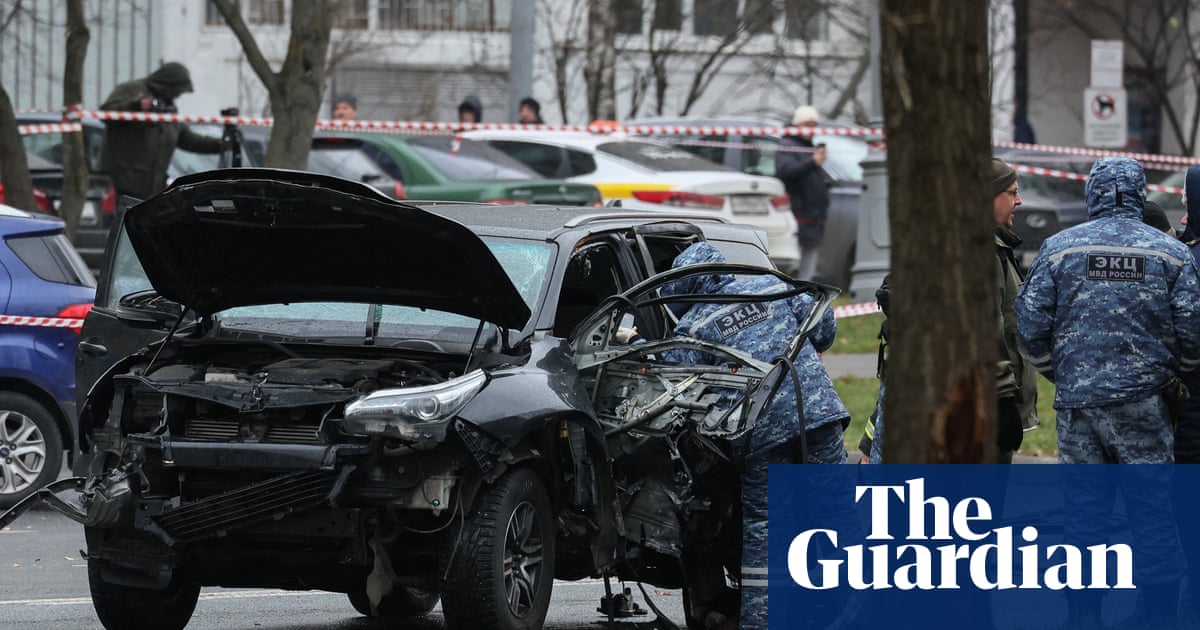
A powerful explosion tore through a quiet street in southern Moscow on November 13, 2026, critically injuring Sergei Zavorotny—a figure closely tied to the exiled former Ukrainian Prime Minister Mykola Azarov. The attack, which Russian authorities are treating as attempted murder, has heightened tensions and revived questions over targeted violence tied to the continuing conflict between Russia and Ukraine.
According to Russian investigators and multiple independent news reports, a magnetic explosive device was placed beneath Zavorotny’s car as he drove along Kirovogradskaya Street in the Chertanovo district. The blast left the 72-year-old journalist and onetime political adviser with devastating injuries—including the loss of his left arm, a concussion, fractured ribs, and further trauma. Passersby rendered immediate assistance before paramedics transported him to hospital, where he remains in serious condition (The Moscow Times, The Guardian).
Zavorotny’s history makes the attack especially charged. He served as spokesperson and adviser to Azarov during the latter’s premiership in Ukraine, and since Azarov’s 2014 flight to Moscow following the Maidan Revolution, Zavorotny has continued working as his spokesman and, according to a 2020 U.S. Senate Intelligence Committee report, conducted foreign influence operations for Russian intelligence (The Moscow Times).
The implication of political motives has been swift. Russian investigators told media they are probing possible involvement by Ukraine’s Security Service (SBU), though officials have yet to present concrete evidence. No group has claimed responsibility, and Ukrainian authorities have not responded to the allegations. Mykola Azarov, speaking from exile, denounced the attack as a targeted retribution for Zavorotny’s outspoken criticism of Ukraine’s government and suggested a campaign of intimidation was underway (The Guardian).
This attack follows a similar car bombing just a day earlier in St. Petersburg, where a Russian military officer was killed. Both incidents fit a pattern of escalating targeted violence in Russia that has, in recent years, included assassinations of military and political figures connected to the Ukraine conflict. Despite speculation, investigators have yet to publicly tie these cases together (The Guardian, Al Jazeera).
As Zavorotny battles life-threatening injuries, the investigation continues under intense scrutiny. The identity and motives of the perpetrators remain publicly unresolved, with Russian authorities promising “all necessary measures” will be taken. For now, the attack adds a new and violent chapter to the web of retribution, suspicion, and covert struggle that has marked the relationship between Kyiv and Moscow since 2014.