
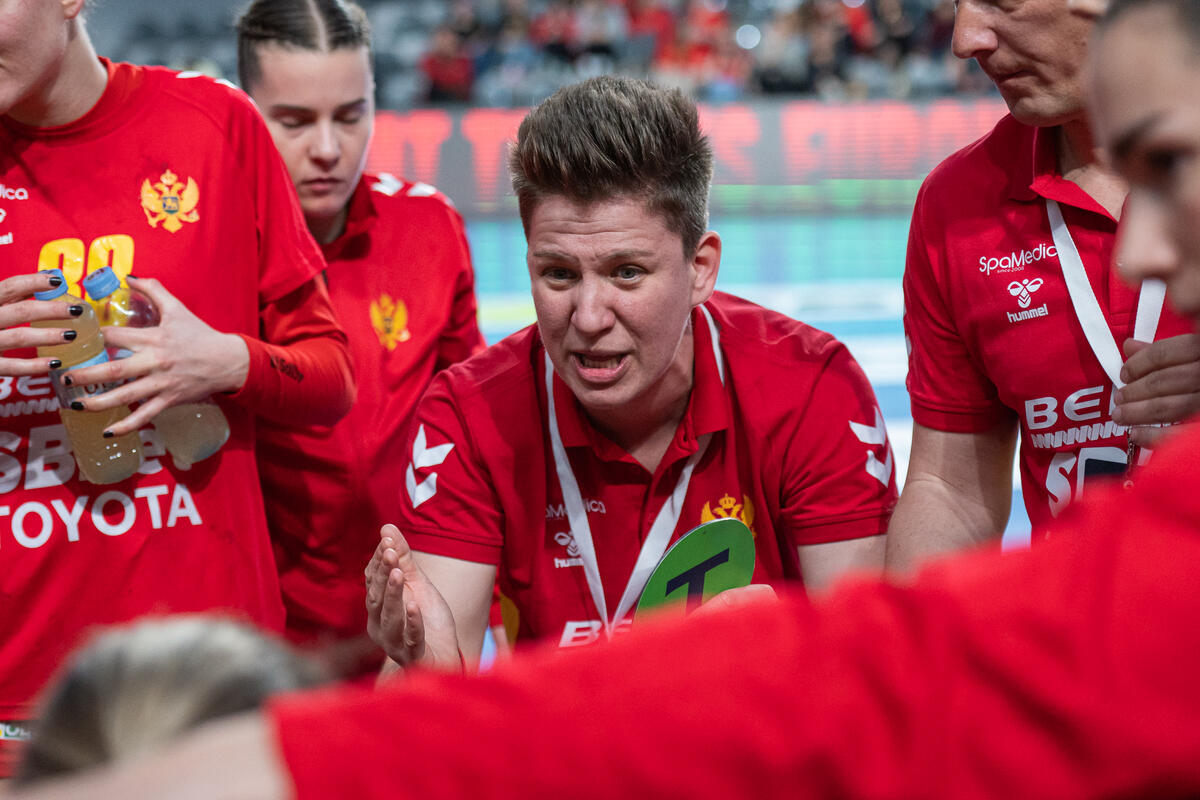
Montenegro’s women’s national handball team formally initiated their training camp on November 23, 2026, laying the groundwork for an ambitious run toward the European Women’s Handball Championship set for December 3–20. This preparatory phase comes with heightened expectations and strategic pivots, marking a significant juncture as the team eyes not just continental success, but qualification for the Los Angeles Olympic Games.
Grouped in Oradea, Romania alongside Hungary, Iceland, and Slovenia for the tournament’s first stage, the squad faces both robust adversaries and the challenge of missing two influential players—Ivana Savić and Jelena Vukčević—who are sidelined with injuries. The impact of their absence on squad depth and on-court chemistry remains a central concern in the lead-up to the competition.
New Leadership and Strategic Focus
Coach Suzana Lazović, now fully focused on national duties following her departure from Alba Fehervar, is orchestrating an overhaul in the team’s tactical approach. She has emphasized integrating promising young players, blending their energy with veterans, and infusing a philosophy prioritizing adaptive defense and transition play. Lazović sees the revamp as essential for staying competitive against experienced European opposition.
Lazović, whose coaching tenure is closely watched after notable past results for the national side, expressed confidence that even without key players, Montenegro cannot afford to be intimidated. “Our goal is clear: advance from the group. We respect every opponent, but fear none,” she stated, as cited by local sports media and verified through the Montenegrin Handball Federation’s updates.
Bigger Goals in Sight
The team’s European campaign takes on additional urgency given its potential implications for Montenegro’s Olympic qualification hopes. While the group stage in Romania presents immediate tactical challenges, Lazović and her staff are acutely aware of the long-term stakes, balancing match-to-match urgency with broader strategic outcomes. The integration of emerging talents is viewed not just as a response to injuries, but as a necessity to stay dynamic on the international stage.
Montenegro last made headlines with a notable performance in the 2012 competition and since then has sought to consistently punch above its weight in European handball. The current round of preparation is not only about momentary results, but also solidifying the team’s trajectory as a leading contender for Los Angeles 2028.
As training intensifies and final tactical adjustments are made, the squad’s resilience—tested by injuries and new systems—will be critical in determining whether their campaign can continue beyond the opening rounds.