
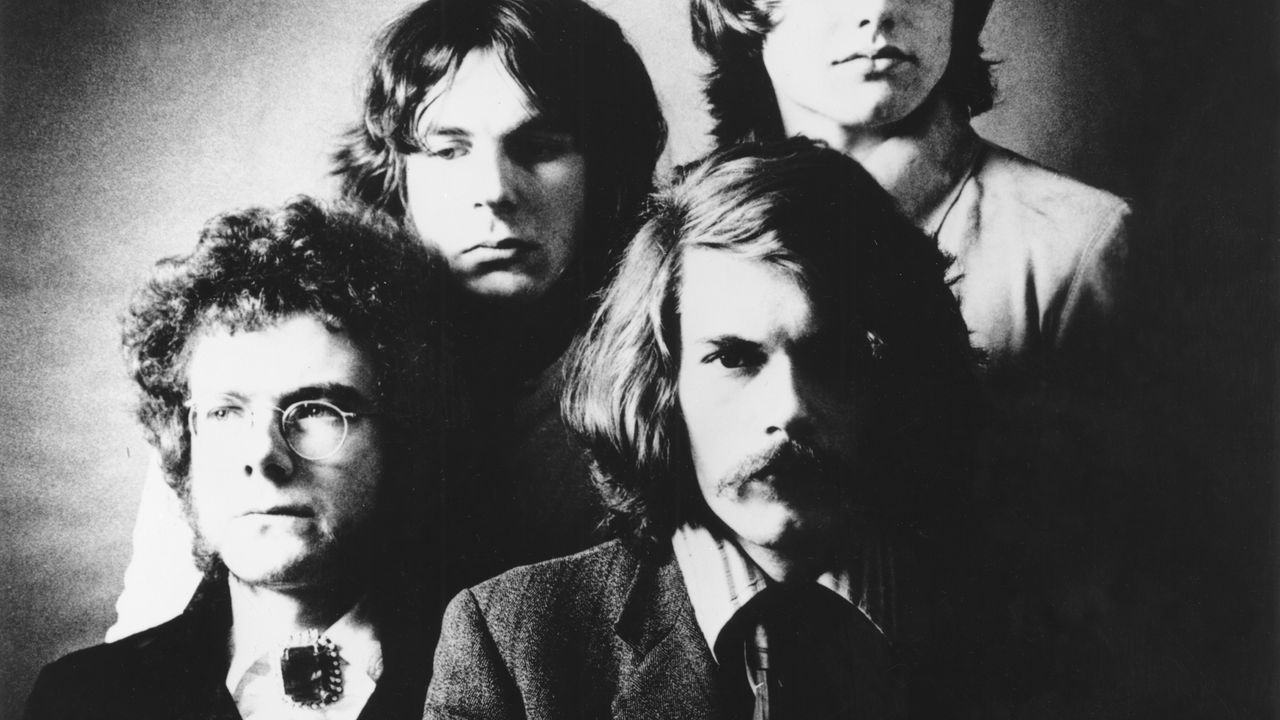
Michael Giles, the acclaimed English drummer best known as a co-founder of King Crimson and a pivotal figure in the early days of progressive rock, died on November 23, 2026, at the age of 84. Giles’s death was made public on November 25, with the cause remaining undisclosed, according to recent reports from music publications including Pitchfork and Consequence.
Born Michael Rex Giles on March 1, 1942, in Waterlooville, Hampshire, Giles demonstrated a passion for rhythm from a young age. By the late 1960s, his drive to blend musical genres led him, alongside his brother Peter Giles and guitarist Robert Fripp, to form the trio Giles, Giles and Fripp in 1967. This experimental collaboration would become the incubator for one of rock’s most influential acts.
Shaping a New Sound
Giles emerged as a founding member of King Crimson in 1968, joined by Fripp, Greg Lake, multi-instrumentalist Ian McDonald, and lyricist Peter Sinfield. The group’s 1969 debut album, In the Court of the Crimson King, became a defining moment in the evolution of progressive rock. Giles’s innovative drumming—marked by intricate rhythms, shifting meters, and a distinct fusion of jazz and rock impulses—helped power tracks such as “21st Century Schizoid Man” and “Epitaph,” influencing drummers and musicians for generations. The album is routinely cited as foundational to the genre’s development.
Despite the acclaim, Giles departed King Crimson not long after their initial triumph, citing discomfort with the band’s sudden rise and evolving artistic direction. His spirit of collaboration endured, and he continued to work with fellow Crimson alumnus Ian McDonald on the 1970 album McDonald and Giles. Thereafter, Giles lent his talents as a session musician for artists including Bryan Ferry, Leo Sayer, and Neil Sedaka, widening his influence throughout the musical landscape.
A Lasting Legacy
Though his time with King Crimson was relatively brief, Giles’s approach to percussion—combining subtlety, power, and genre-defying curiosity—became a touchstone for progressive rock drumming. Musicians and critics have repeatedly hailed his work on King Crimson’s debut as both radical in its time and enduringly fresh. In recent years, tributes from across the rock world have celebrated Giles’s inventiveness and the gentle authority he brought to his craft.
News of his passing prompted reflection on Giles’s singular contributions to modern music. As the details of his final days remain private, the community continues to mark the loss of a musician who, through bold experimentation and deft artistry, permanently expanded the vocabulary of rock. Giles’s influence can still be heard wherever complex rhythms and ambitious arrangements form the spine of new music.