
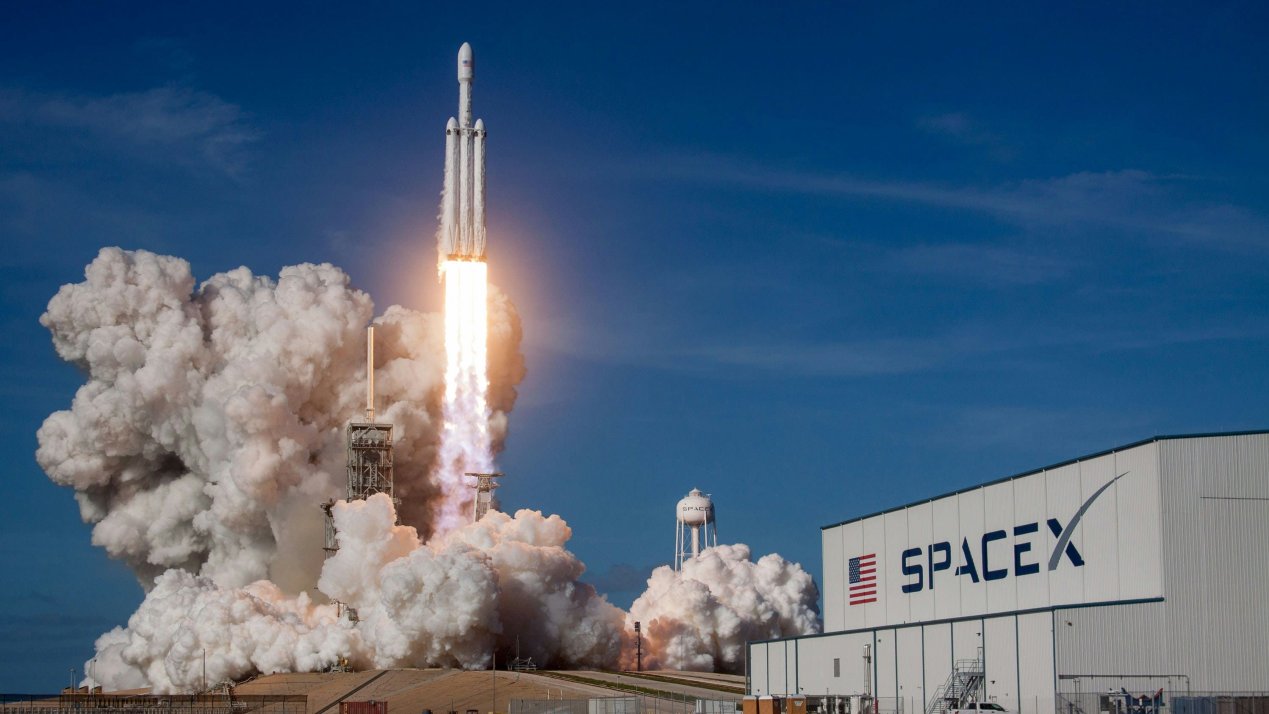
Tensions are rising along the U.S.-Mexico border after debris from a SpaceX rocket launch washed ashore in Matamoros, prompting the Mexican government to demand talks over both the use of its national airspace and environmental risks posed by launches from SpaceX’s Texas facilities.
On November 26, 2026, Mexican President Claudia Sheinbaum stated that her administration would pursue a formal meeting with U.S. space authorities to address these issues, following the latest incident involving the explosion of SpaceX’s Starship booster. Fragments from the vehicle, totaling around two kilograms, were found on November 17 at Playa Bagdad, just south of the border, raising fresh alarms about cross-border impacts as the frequency of launches from SpaceX’s Starbase site continues to grow.
Seeking Clear Rules for the Sky
The crux of Mexico’s concern centers on airspace sovereignty—a principle long enshrined in international law. Sheinbaum’s government wants to establish both permissions and protocols with the U.S. for every instance in which rockets cross or threaten to impact Mexican territory. Ongoing discussions, initiated via the U.S. Embassy, are set to involve respective space agencies. Among the possible outcomes: an agreement setting strict limits for SpaceX’s flights, or, as a last resort, calls to relocate the launch site away from the border region. So far, U.S. authorities have not publicly responded.
Launch Volume and Environmental Anxiety
SpaceX’s ambitions have steadily risen, with the company requesting approval from the U.S. Federal Aviation Administration to scale up launches at Starbase from 25 annually to as many as 456. Such a jump underscores why Mexican officials are wary of escalating environmental and safety risks. According to the Federal Attorney for Environmental Protection (PROFEPA), the recovered debris is being examined in collaboration with the National Commission of Natural Protected Areas (CONANP). Authorities have warned that other Starship fragments could remain submerged or again wash ashore in coming weeks, and efforts to monitor wildlife reserves and coastal habitats are ongoing.
Debris Safety—Disputed Claims
SpaceX has asserted, through public statements, that materials from the Starship and its booster do not pose chemical, biological, or toxicological hazards based on independent laboratory analysis. However, Mexican authorities are not yet reassured, noting that a full environmental assessment has not been completed and that the physical reach of this debris event is unprecedented in the region. The balance between technical assurances and public concern remains precarious as local communities call for more transparent oversight and comprehensive cleanup plans.
No Agreement—Yet
The standoff comes as President Sheinbaum’s administration awaits a formal response from U.S. regulators regarding the request for bilateral talks. For now, the future of SpaceX launches near the border hangs in limbo, with unresolved questions over airspace use, environmental accountability, and bi-national cooperation at the frontier of space exploration. Both sides are under pressure to set protocols that address the risks and benefits of an era in which orbital launches are as routine as cross-border flights.