
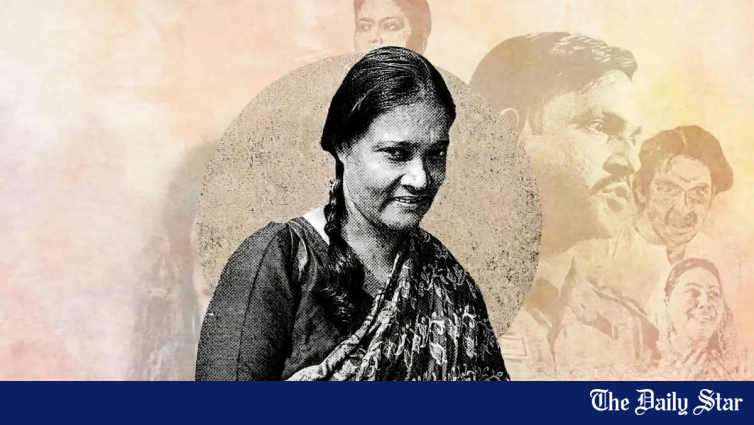
Matia Banu Shuku, the acclaimed Bangladeshi filmmaker and screenwriter whose works left a profound mark on the country’s television and film, died late on November 26, 2026, in Dhaka. She was 56. Shuku’s passing, attributed to cancer and kidney complications, was confirmed by local news reports, ending a protracted period of illness that saw her admitted to a Dhaka hospital’s intensive care unit just days prior.
Shuku’s death drew a wave of public tributes, with arrangements made for remembrances at the Dhaka University Faculty of Fine Arts and the Central Shaheed Minar—sites emblematic of the country’s artistic and cultural identity. Her stature in Bangladeshi media was reflected in the breadth of her career, which spanned celebrated television serials such as Gollachhut, To-Let, Ekta Kinle Arekta Free, Jekhane Simanto Tomar, and Pragya Paromita. Her creative range extended to cinema as well, including her role as producer on the film Laal Moroger Jhuti, which captured the National Film Award for Best Film in 2021.
Born to Abdul Matin, a veteran of Bangladesh’s historic Language Movement, Shuku was known for her commitment to social issues and cultural storytelling. She was married to fellow filmmaker Nurul Alam Atique, with whom she had three children. During her final illness, Shuku’s family publicly acknowledged the harsh financial challenges they faced, prompting appeals for support from the creative community and governmental authorities, as reported by Daily Sun.
Shuku’s impact on Bangladesh’s arts and entertainment landscape was both creative and personal. Her colleagues and audiences alike remembered her as a pioneering director and a generous mentor to younger generations. Despite the difficulties wrought by her illness, her family and supporters rallied to provide care and dignity in her final days—a testament to the high regard in which she was held.
As the nation mourns the loss of one of its prominent cultural voices, public memorials will offer an opportunity for reflection on Shuku’s achievements and her enduring commitment to Bangladeshi storytelling.