
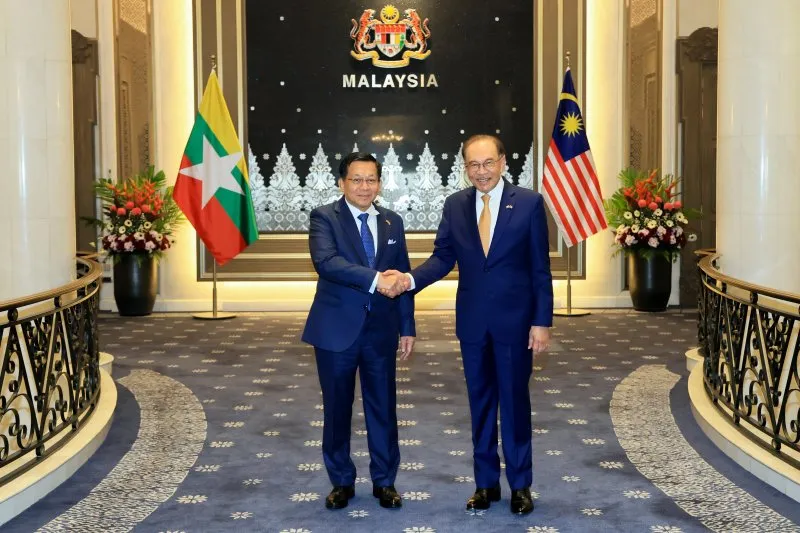
Malaysia’s decision to repatriate thousands of Myanmar nationals next month, days after the International Court of Justice (ICJ) delivered its momentous ruling finding Myanmar guilty of genocide, has set off intense debate both at home and internationally.
On November 24, 2026, Prime Minister Anwar Ibrahim confirmed Malaysia will send 6,803 Myanmar nationals back in December, in a move coordinated with Myanmar’s military-backed government. This comes less than a week after the ICJ found Myanmar responsible for genocide against the Rohingya minority, citing horrific abuses during a 2017 military crackdown in northern Rakhine State that forced hundreds of thousands to flee.
The planned repatriation will occur in two phases: around 1,500 will return via Myanmar naval vessels on December 6 and 7, with another 5,303 expected to be flown home by month’s end, reportedly at Myanmar’s expense. Malaysian officials claim they have secured written assurances that returnees will be treated safely and with dignity.
However, rights groups and Malaysia’s own Human Rights Commission (SUHAKAM) are urging an immediate suspension of the process. SUHAKAM issued a statement imploring authorities to halt the deportations until Myanmar can demonstrate concrete steps to abide by the ICJ’s judgment and ensure returnees will not face persecution or harm. The United Nations and other civil society organizations have echoed similar concerns, pointing to the ongoing violence and instability in Myanmar as making any repatriation unsafe.
Malaysia is not a signatory to the UN Refugee Convention and treats the 215,000-plus refugees and asylum seekers it hosts—including more than 120,000 Rohingya from Myanmar—as undocumented migrants. This policy has made the fate of vulnerable groups, particularly those at risk of targeted violence, a flashpoint in national debate. Prime Minister Anwar Ibrahim defended the government’s stance, arguing that diplomatic engagement with Myanmar’s leadership was necessary to facilitate returns and protect Malaysia’s national interests. He cited previous bilateral coordination that enabled the return of over 10,000 Myanmar nationals.
The historic ICJ ruling itself followed years of mounting evidence presented by The Gambia, which accused Myanmar of violating the Genocide Convention during the 2017 crackdown. The ICJ’s finding marks the first time the tribunal has formally declared a state responsible for genocide.
As the repatriation date approaches, the international community and domestic watchdogs are closely scrutinizing the process, warning that Malaysia’s actions will be a test case for how countries respond to the ICJ’s landmark judgment. The fate of those set to return—and the global response to their situation—remains deeply uncertain.