
Facing the looming disruption of more than a hundred shelter beds, city officials in Long Beach have approved an emergency plan to keep vital capacity for unhoused residents during an extensive renovation of their primary city-owned facility. On November 17, 2026, the City Council formally authorized the city manager to declare a shelter crisis, clearing the way for temporary emergency shelters to begin operating this December.
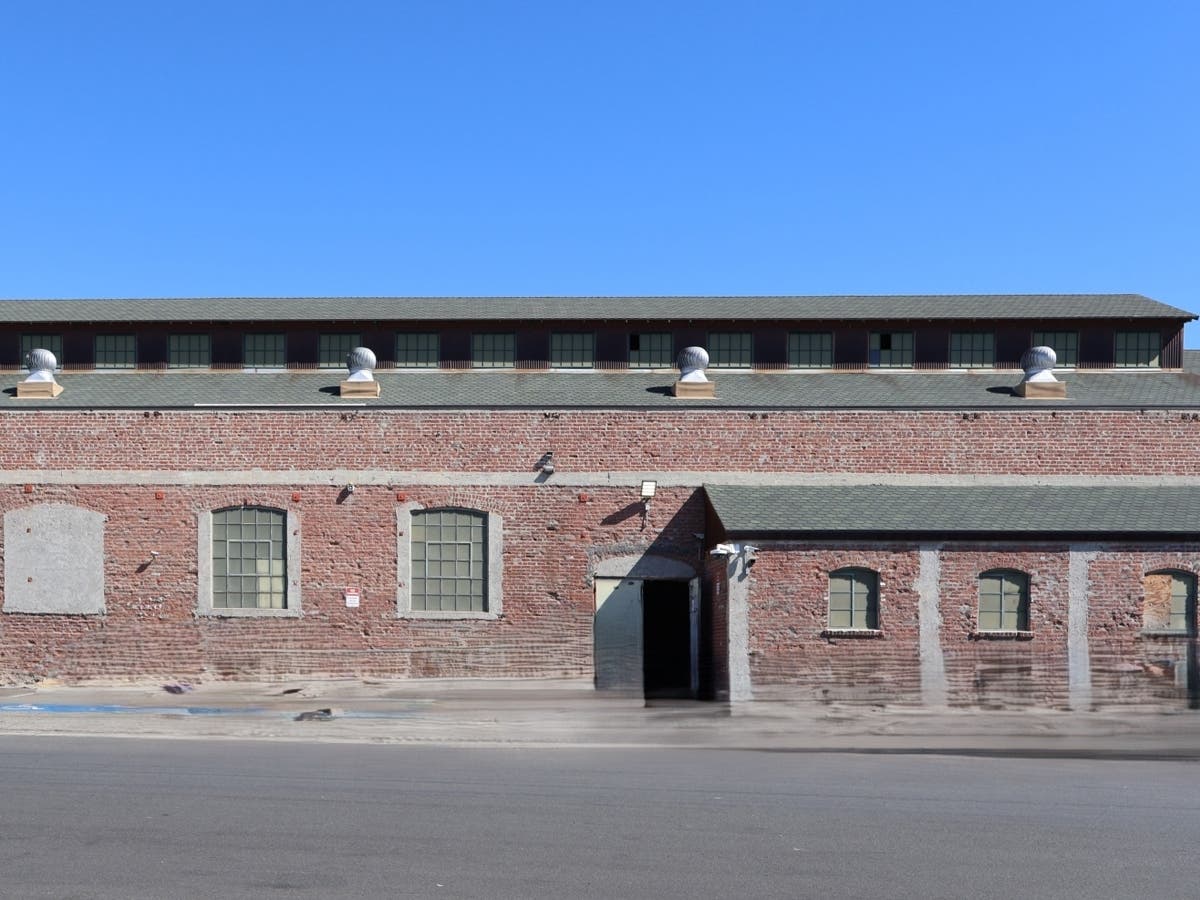
Renovations at the 702 W. Anaheim St. shelter, which typically supports year-round and expanded winter shelter operations for people experiencing homelessness, are set to begin in late 2026 and stretch through late 2027. The essential work includes upgrades to heating and cooling, plumbing, roof repairs, and other long-term enhancements intended to extend the shelter’s service life.
To avoid a gap in services, temporary emergency shelter facilities will be established at 1827 Spring St./3003 Gardenia Ave., according to city planning documents. These facilities are scheduled to operate from December 1, 2026, through November 30, 2027, unless the official shelter crisis is lifted sooner. Without this intervention, up to 121 shelter beds risked temporary closure during the renovations, a level of disruption city leaders described as unacceptable amid record local need.
In approving the measure, council members responded to recent sobering statistics: as of early November, fewer than 50 unoccupied beds remained in the city’s shelter programs, while the city’s 2026 point-in-time count found nearly 2,600 people experiencing unsheltered homelessness. These numbers—and the approach of winter, coupled with forecasters’ warnings of possible severe El Niño weather—added urgency to preserving current shelter capacity.
“By expanding our shelter beds, we are ensuring that people have somewhere safe to go when conditions worsen,” Mayor Rex Richardson stated in previous winter shelter announcements. The city has a recent history of rapidly expanding services as conditions require; last December, the Anaheim St. shelter increased shelter occupancy from 85 up to 125 when winter operations were activated, partnering with faith-based agencies and the Los Angeles Homeless Services Authority for funding and services.
The resolution gives the city manager broad authority to declare a shelter crisis and establish emergency operations without the need for repeated council approval at each location, allowing more agile response to changing needs. The number and size of the temporary shelters remain subject to adjustment, as does the final cost—city officials say county resources will support shelter operations, with flexibility to use state emergency housing grants if unexpected expenses arise.
With the council’s approval now secured, city departments are preparing for the handover as construction gets underway at Anaheim St. It marks another chapter in the city’s push to maintain, and ultimately expand, vital shelter access for those in need—even as the physical infrastructure is retooled to serve for years to come.