
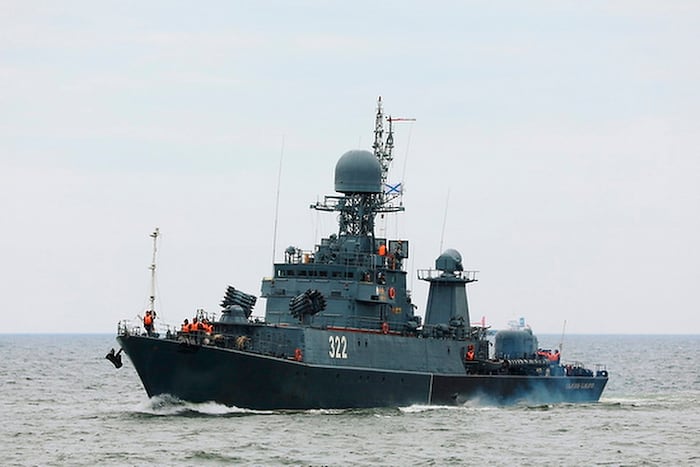
The consequences of the Russia-Ukraine war have reached another diplomatic front. Libyan military authorities announced that two naval officers had died from injuries connected to a Ukrainian attack on a Russian vessel in eastern Libya, according to Associated Press reporting Wednesday. The authorities pledged retaliation, without specifying what form it might take.
The announcement represents a new development in an incident that had already drawn international attention. Its significance lies in the reported deaths of Libyan personnel and the response from local military authorities, rather than simply the earlier news that a Russian vessel had been attacked.
Libya remains politically divided, with competing centers of authority. Statements from military authorities in the east should therefore be attributed to the institution issuing them rather than automatically presented as a unified position of every Libyan governing body. That distinction is important when interpreting threats of retaliation or statements about foreign policy.
Ukraine’s war with Russia has increasingly had consequences beyond the immediate territory of the two countries. The presence of Russian interests overseas raises questions about the geographic scope of the conflict and the responsibilities of states whose territory or infrastructure becomes involved. It can also expose local populations and personnel to risks that arise from disputes between external powers.
The reported loss of the two officers introduces a human and diplomatic dimension that goes beyond the status of the targeted vessel. Their deaths may increase political pressure on local authorities to respond. But a public promise of retaliation is not evidence that retaliatory action has already taken place.
International legal questions could also arise regarding the conduct of hostilities outside the principal theater of war. Establishing any specific legal conclusion would require a more complete factual record, including the circumstances and status of the relevant parties. The reports currently available do not resolve those questions.
The confrontation also raises questions about the relationship between the armed groups and political authorities operating in Libya. A military faction’s warning does not necessarily represent a unified foreign policy for the country. That distinction becomes particularly consequential when a conflict involving foreign governments intersects with territory where competing institutions exercise authority. Diplomatic responses and statements from the relevant governments will help establish the implications of the warning.
For now, the confirmed public development is the military authorities’ announcement and their declared intention to respond. The next significant developments would include official diplomatic communications, independent clarification of the incident and any decision by the parties about how they intend to address its consequences.