
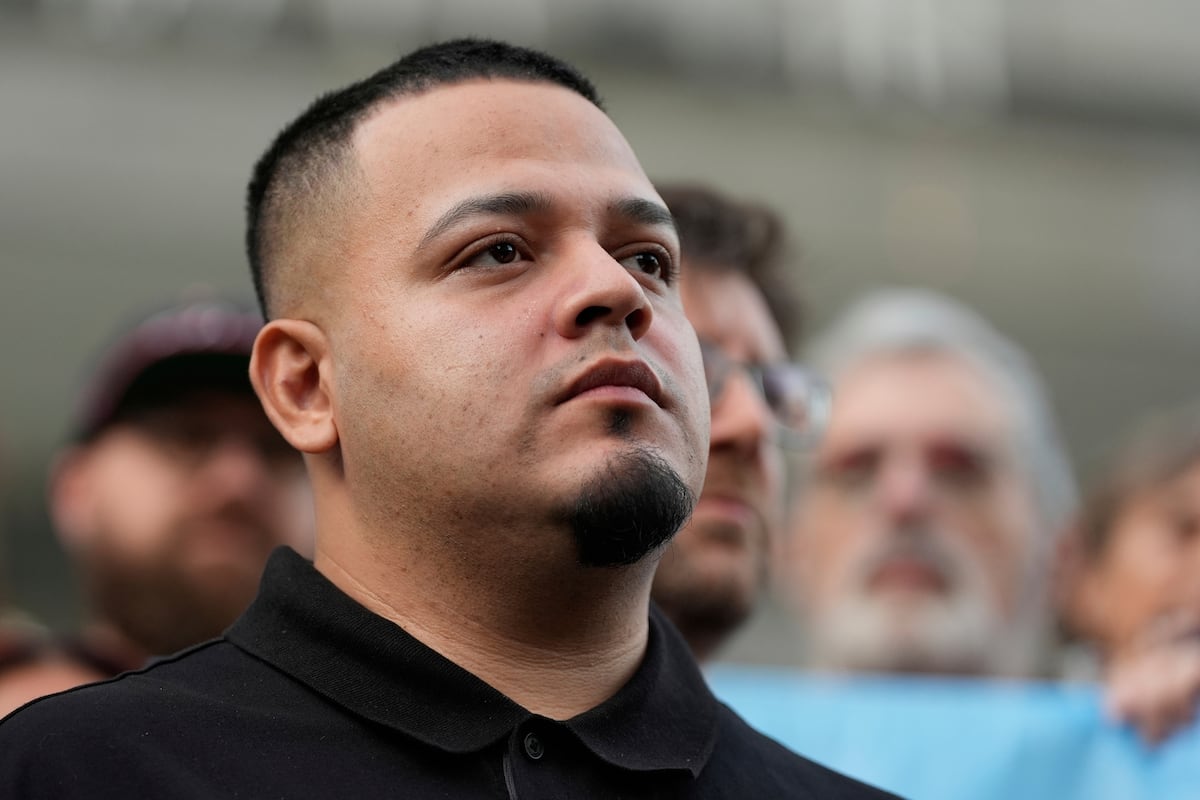
Kilmar Ábrego García, a Salvadoran citizen whose immigration case drew international scrutiny, has departed the United States for Spain after nearly two years of legal turmoil. His exit on November 24, 2026, closes a protracted chapter marked by competing claims about justice, due process, and U.S. deportation policy.
A Case That Became a National Flashpoint
Arrested in Baltimore in March 2025, Ábrego García was deported to El Salvador despite a U.S. court order that recognized the risk of persecution he would face there. In El Salvador, he was detained at Cecot prison under harsh conditions before launching a determined effort to return to the United States. His case quickly garnered attention, described by Spanish daily El País as emblematic of the Trump administration’s forceful immigration stance.
Legal Charges Dismissed, Uncertainty Continued
Mainstream U.S. news agencies and El País report that once repatriated, Ábrego García faced federal human trafficking charges. These allegations were dismissed by a judge in May 2026, who concluded the prosecution was retaliatory rather than based on merit. Nonetheless, U.S. immigration authorities maintained a removal order against him, leaving his legal status and future in limbo.
Negotiating Departure After Legal Dead Ends
With the threat of deportation to potentially dangerous countries looming, Ábrego García and his legal team negotiated voluntary departure. Their arrangement allowed him to leave the U.S. for Spain instead of facing forced removal elsewhere. Accompanied by his wife, he landed in Madrid on November 25, entering as a tourist without a visa. According to El País, his lawyers are exploring long-term settlement options, including potential relocation to Mexico, though reports contradict whether this or Spain will be his final destination.
Symbolism and Ongoing Legal Uncertainty
“The government does not decide where my story continues; my family and I decide our future,” said Ábrego García upon his arrival in Spain, highlighting the personal cost of broader political decisions. His lawyer, Simon Sandoval-Moshenberg, characterized the departure as temporary, suggesting hopes for a future return to the U.S. following the Trump administration. At present, the U.S. Department of Homeland Security maintains that Ábrego García left under a valid removal order, precluding his immediate return. Yet his legal team has not ruled out renewed appeals, pending ongoing reviews of his dismissed criminal charges.
Broader Significance
Ábrego García’s case underscores the fraught landscape of U.S. immigration enforcement in recent years, especially for those contesting deportation amid fears of violence or retaliation in their home countries. While the immediate legal dispute may be over, the outcome highlights both the limits and possibilities faced by migrants contesting orders under aggressive policies. The uncertainty over his future—whether in Spain, Mexico, or potentially returning to the U.S.—reflects the ongoing volatility of global migration and legal recourse in the face of shifting policies.
His departure, while a reprieve from imminent danger, is a reminder of how singular stories of migration can shape and be shaped by the evolving battles over law, safety, and human agency.