
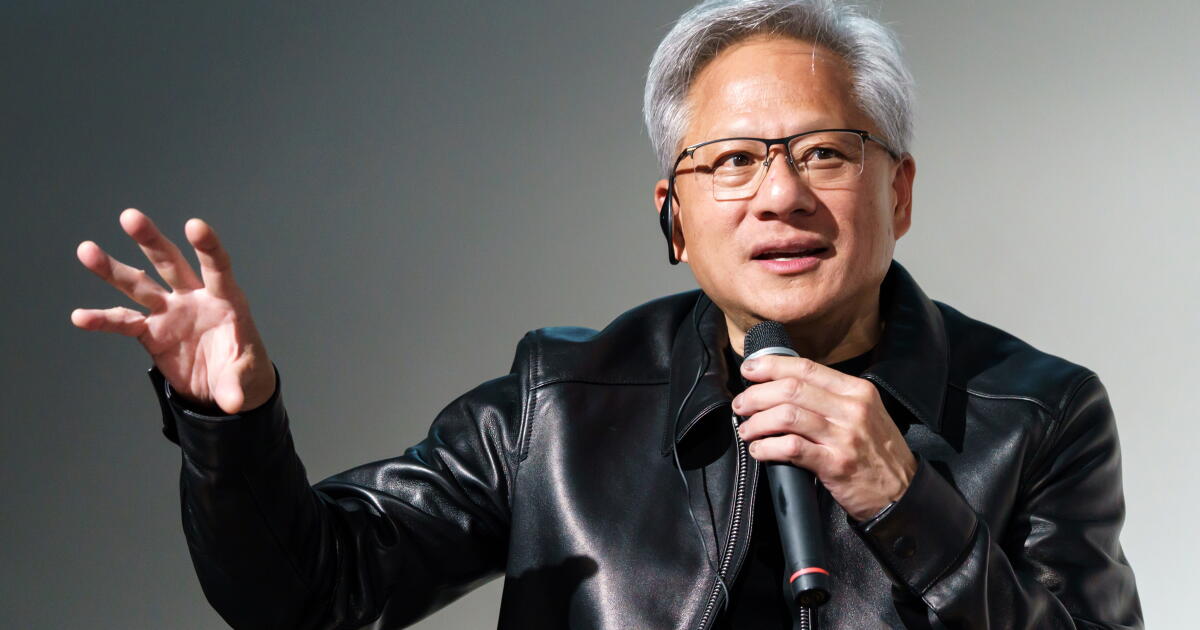
In a move that has roiled both Silicon Valley and Washington, Nvidia’s board has reinstated co-founder Jensen Huang as CEO just 11 days after his high-profile resignation amid reports of personal scandal and national security concerns. The extraordinary reversal—unanimously approved by the board on November 23—came after hawkish scrutiny of Huang’s alleged relationship with Alice Huang, a Chinese businesswoman reportedly under investigation for possible espionage activities.
Huang’s abrupt return, disclosed alongside statements from U.S. government leaders affirming there was “no evidence of unlawful conduct or national security risk,” sent shockwaves through financial markets. Within hours of the reinstatement, Nvidia’s shares soared by more than 30%, adding approximately $1 trillion to the company’s market capitalization and cementing its standing as a cornerstone of the global tech economy.
White House Endorsement, Corporate Critics
President Donald Trump added fuel to the debate by publicly endorsing the board’s action. Calling Huang a “Great Patriot and National Treasure,” Trump asserted that a thorough review had cleared Nvidia’s chief, and that concerns over improper foreign influence were unfounded. The White House intervention drew further attention to the opaque line between commercial independence and political pressure—particularly as other administration officials, such as Vice President JD Vance and Secretary of State Marco Rubio, navigated scrutiny regarding behind-the-scenes reassurance to company leaders.
Industry observers and corporate governance watchdogs, however, expressed alarm at the speed and process of Huang’s return. According to several experts and published commentaries, Nvidia’s directors reversed themselves with exceptional haste, raising questions about the board’s independence and its willingness to enforce internal standards on executive conduct.
Inside Nvidia: Relief and Uncertainty
Reactions among Nvidia’s employees ranged from cautious optimism to unease. While sources within the company reported a mood of relief among some teams—who view Huang’s leadership as vital to Nvidia’s culture and innovation engine—others voiced concerns about a leadership team seemingly unaccountable to conventional oversight. Ongoing internal discussions focused on how the company can rebuild trust and ensure transparent governance in the wake of the controversy.
Ongoing Investigations and Political Ramifications
Despite the official support and market exuberance surrounding Huang’s return, several investigations remain open into his alleged extramarital affairs and links to national security implications, particularly surrounding Alice Huang’s suspected engagement in espionage activities. Regulatory bodies and intelligence agencies reportedly continue to examine both Huang’s conduct and Nvidia’s protocols for handling sensitive issues at the intersection of personal behavior and corporate security.
Beyond the boardroom, the saga has set off a new round of debate in Congress and among policy leaders. Some critics suggest the reinstatement may have been swayed by outside political intervention, challenging the integrity of what was presented as a purely internal decision.
Looking Forward
Jensen Huang, who co-founded Nvidia in 1993 and has built it into a global tech powerhouse, faces a fraught road ahead. The company’s financial resurgence highlights the market’s dependence on his leadership, yet unresolved questions remain about accountability, the role of government in private enterprise, and the standards governing executive behavior in the industry’s top ranks.
The coming weeks are likely to bring further revelations as investigations continue and as Nvidia, its board, and its investors confront the challenge of regaining credibility in an era marked by both unprecedented innovation and scrutiny.