
The reversal at NVIDIA was unusually consequential for a board decision: a company whose chips underpin much of the AI economy restored the executive who had become synonymous with its rise, while retaining investigations into matters that had helped destabilize its leadership.
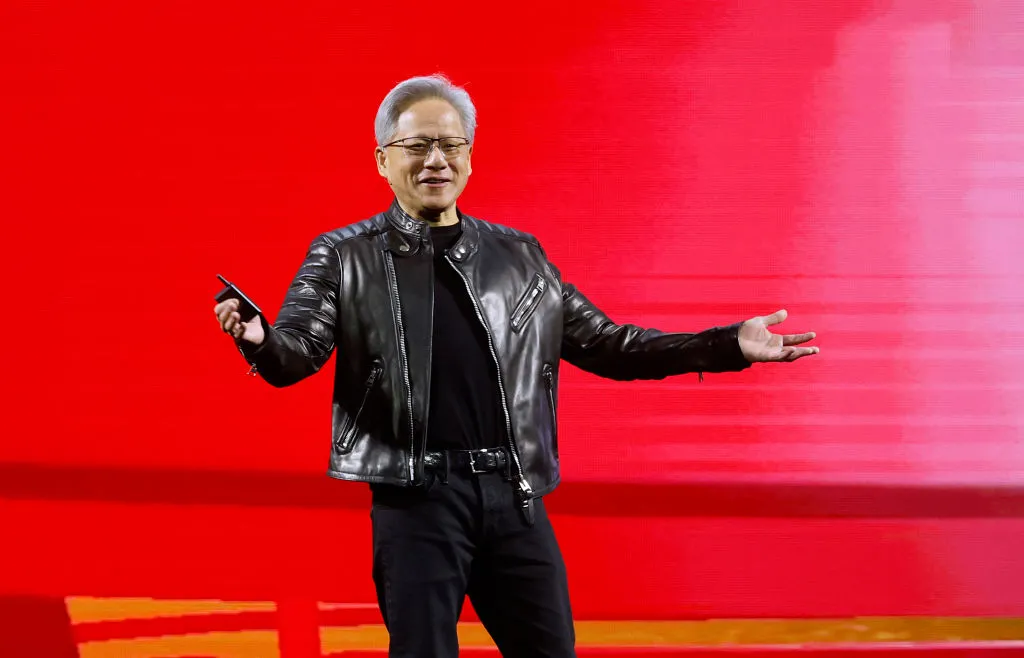
SANTA CLARA, Calif. — NVIDIA announced November 23 that Jensen Huang had returned as president, chief executive officer and a member of its board of directors, reversing a leadership change that unsettled the artificial intelligence industry less than two weeks earlier.
The company’s regulatory filing identifies November 22 as the date of the board action; the public announcement followed on November 23. The directors voted unanimously. Colette Kress, who had stepped into the interim chief executive role, remains executive vice president and chief financial officer, and Harvey Jones remains board chair.
The company said senior U.S. government officials provided input as directors evaluated national security concerns. President Donald Trump welcomed the decision and publicly described his involvement, according to Reuters and the Associated Press. NVIDIA’s decision is a corporate governance action, not a government appointment.
Investigations are not over
NVIDIA said a committee of independent directors, assisted by outside counsel, will complete its investigation into reports that Huang was targeted by a foreign intelligence effort. The board also established a separate committee focused on export controls and national security. It is seeking a chief compliance officer who will report to its nominating and corporate governance committee.
The company said it will continue cooperating with government inquiries. Its board expressed confidence that restoring Huang did not create a national security risk; that is the board’s assessment, rather than a final determination by every investigating authority.
Why the reversal matters
NVIDIA’s processors are central to the infrastructure used to train and operate many advanced AI systems. Its leadership therefore has implications beyond its own workforce and investors, including cloud providers, data-center operators and companies developing AI products. The change removes an immediate leadership uncertainty while leaving substantive questions about oversight and export compliance unresolved.
The next milestones are the independent committee’s findings, the appointment of the compliance chief and developments in the government inquiries.
A reversal with two distinct consequences
The November 22 vote and November 23 announcement should be understood separately from the political pressure surrounding them. Reuters reported that Trump had urged the company to bring Huang back after its board had previously ruled out his return. The public endorsement did not transfer the board’s corporate responsibilities to Washington. Directors must still oversee management, including the executive they have now restored. The SEC filing is the clearest documentary record of the change in officers and board membership; the company’s announcement sets out the additional governance measures. Together they offer a more complete account than the presidential reaction alone.
The retention of the two committees is particularly important. One is examining the circumstances surrounding the reported foreign intelligence targeting, while the other will focus on export controls and national security. Those assignments are related but not interchangeable: an inquiry into the conduct or circumstances of an individual is different from oversight of how a company sells and distributes technology. The planned chief compliance officer adds another layer of responsibility within that structure. Investors will be able to assess those commitments against future disclosures rather than assume the leadership decision itself has resolved the investigations.
The abrupt change in leadership also exposes how much continuity can matter in an industry where companies make expensive, multiyear infrastructure decisions. Customers need to plan deployments; suppliers must commit production capacity; investors must evaluate the durability of future demand. Huang’s return restores a familiar decision-maker to that environment, but the credibility of the company’s governance arrangements will depend on what happens after the announcement. The distinction between confidence in an executive and demonstrable oversight is now central to NVIDIA’s next chapter.