
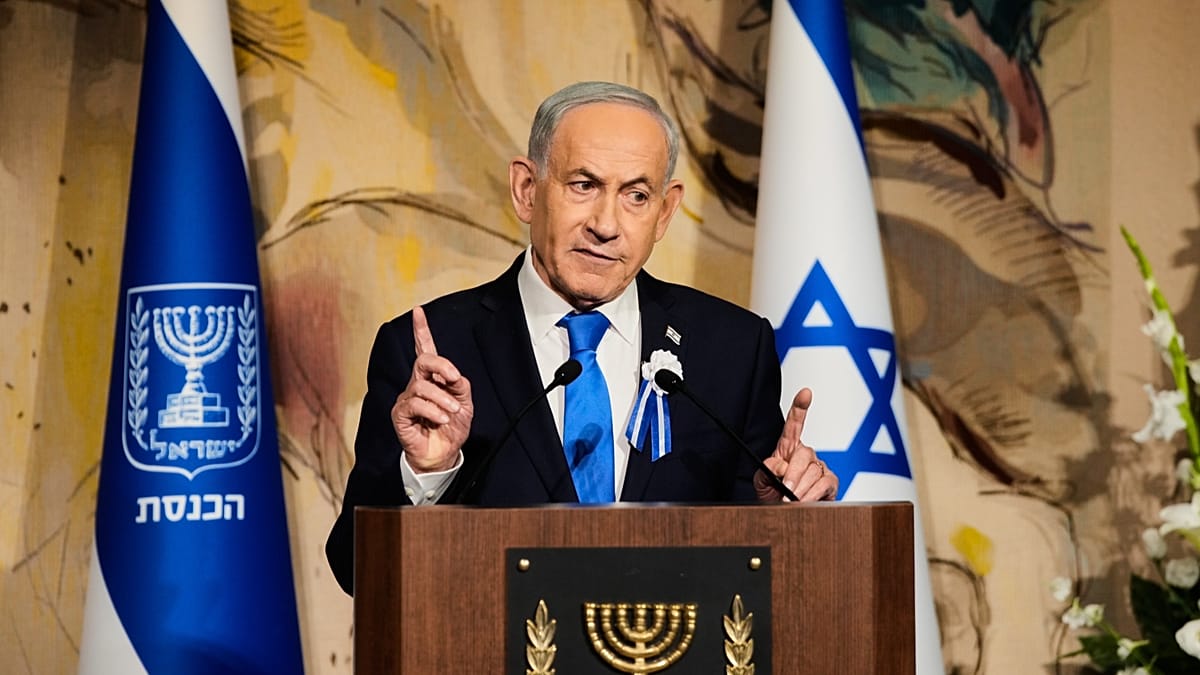
Accusations of a political plot have rattled Israel’s already fractured government as opposition leaders allege that Prime Minister Benjamin Netanyahu sought to undermine October’s national election by orchestrating what they call an “attempted coup.” The controversy erupted after it emerged that Netanyahu’s chief of staff, Ido Norden, contacted police with last-minute claims of misconduct by members of the Arab-Israeli Ra’am party on the eve of the October 27, 2026 vote.
Three Ra’am members were arrested based on Norden’s complaint, but police released them shortly afterward, concluding there was no supporting evidence. These dramatic events have fueled fierce debate over Netanyahu’s conduct and the integrity of the country’s electoral process, in a climate already tense from years of political turmoil and gridlocked coalitions.
Opposition leaders swiftly escalated the matter. Yair Lapid, co-chair of the Beyachad list, directly labeled the development not as routine political maneuvering but as a direct attack on democratic order, stating, “This wasn’t an attempt to disrupt the elections. It was an attempted coup.” Joint List leader Yousef Jabareen called for an independent inquiry, claiming that the events pointed to “a criminal mechanism … from the heart of government to rig the election results.” Gadi Eisenkot, a former army chief and Netanyahu’s principal electoral rival, insisted Netanyahu “cannot remain at the head of the government for a minute longer” if accounts are confirmed.
Netanyahu’s Likud party responded with withering denials, dismissing all allegations as “utterly absurd” and blaming political opponents for fabricating a crisis from unsubstantiated complaints.
As of November 18, Israeli police say they will “review the decision-making and information-transmission process” that led to the arrests. No criminal charges have been announced against anyone in Netanyahu’s staff, and the veracity or scope of the alleged plot remains to be determined by a now-forthcoming investigation.
The accusations come at a pivotal time. The October 27 vote concluded without a clear majority for either Netanyahu’s political bloc or the opposition grouping headed by Eisenkot, leaving the formation of a new government in limbo. With tensions high and mutual trust deteriorating, the immediate future of Israeli leadership — and election legitimacy — is clouded by unresolved questions and the specter of political interference at the very apex of power.
This is not the first time Netanyahu has been dogged by accusations of using state institutions for political ends, but opposition leaders say the current allegations mark a dangerous new threshold. Observers await the outcome of the police review and any potential parliamentary or judicial probe that may follow in the coming days.