
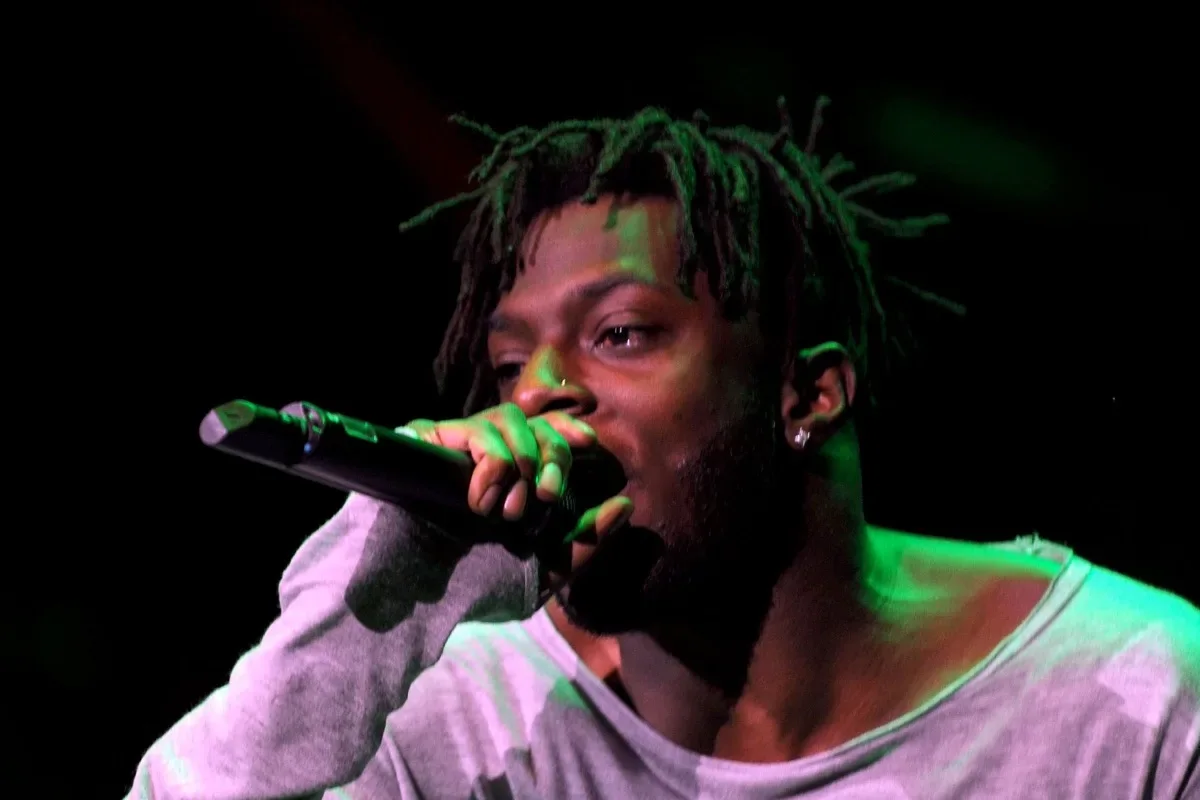
As Isaiah Rashad continues his nationwide “Lil Sunny’s Awful Road Trip Tour,” the acclaimed rapper from Chattanooga is drawing attention to the emotional aftermath that follows the euphoria of performing for thousands. During recent public remarks, Rashad described an “emotional drop” that sets in after shows end and the constant camaraderie of touring gives way to sudden solitude at home.
“For three days straight I was just at the house by myself,” Rashad recounted, noting how the transition from lively venues to personal quiet leaves him feeling depressed and striving to reconnect. His candor, reported by kicksandgrips.com and corroborated by recent interviews, underscores a recurring challenge for touring artists—the abrupt shift from high-octane schedules to isolation, and the mental health toll that can result.
Rashad, who first broke out with the 2014 EP “Cilvia Demo” and whose introspective style has earned him critical acclaim, has channeled personal struggles into his music for years. His latest album, “It’s Been Awful,” released in May 2026, addresses topics of depression and resilience, further establishing him as a candid voice for mental health awareness in hip hop. This theme also resonates through his current tour performances, including his recent stop at Vancouver’s Commodore Ballroom.
Mental health has been a fixture in Rashad’s public narrative since at least 2016, when he revealed past battles with anxiety, depression, and substance use. On and off stage, he remains open about his vulnerability. Notably, the rapper has found support and creative partnership within his family; his brother, Keem the Cipher, produced much of “It’s Been Awful.”
While Rashad has alluded to seeking social reconnection when depression surfaces post-tour, the specifics of his coping mechanisms remain private. Yet his willingness to bring these feelings into the open, as his tour continues across North America, is echoing through the fan community and sparking timely conversations about artist well-being.
With tour dates ongoing, Rashad’s story reflects a broader dialogue in the music industry about the emotional aftershocks artists face once the stage lights dim and the crowds disperse—a reminder of the personal costs that sometimes accompany creative success.