
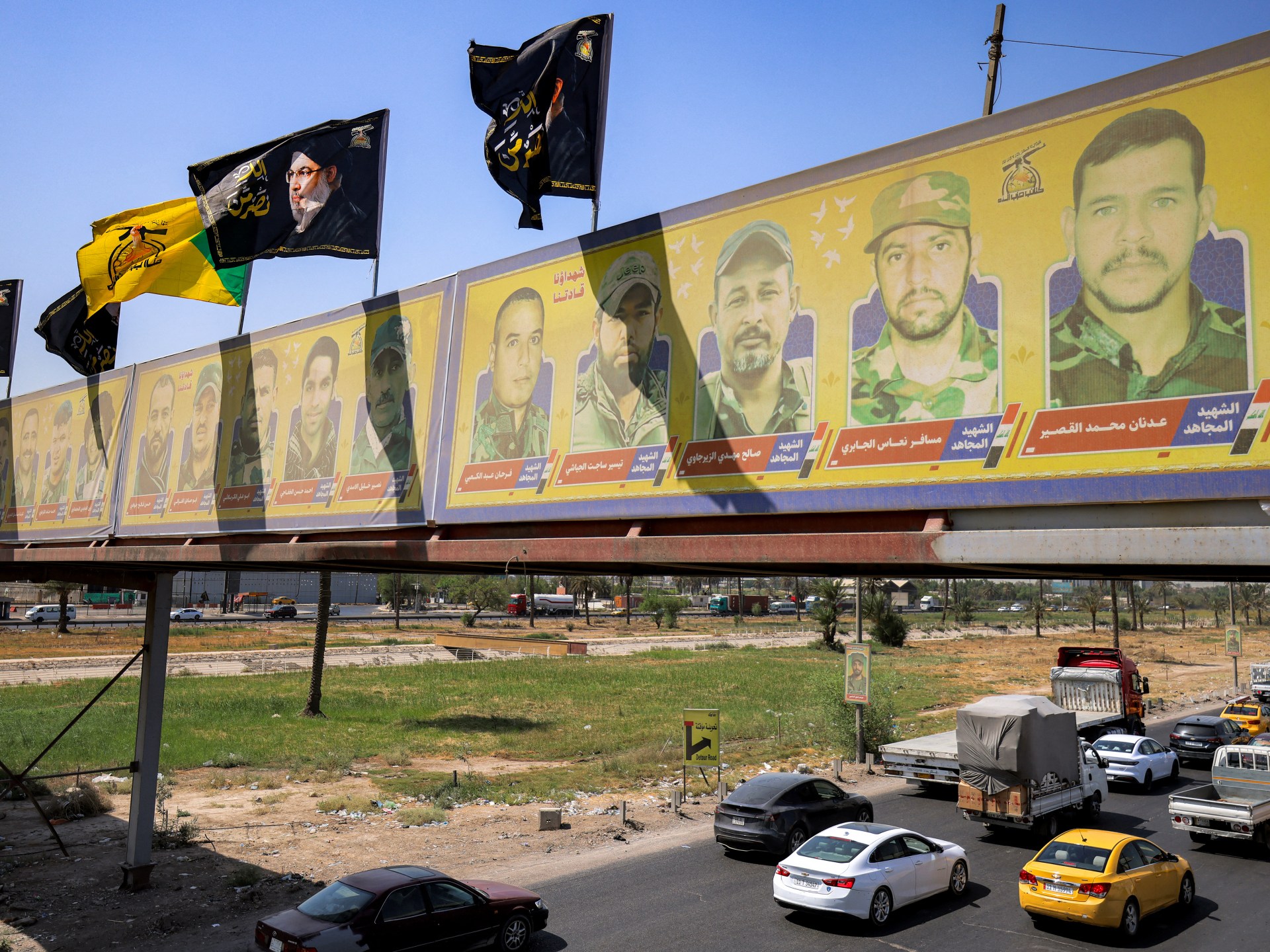
BAGHDAD — In a dramatic escalation, Iraqi Prime Minister Ali al-Zaidi has dispatched the country’s armed forces to Jurf al-Nasr, a town long held by the Iran-backed Kataib Hezbollah militia, after a government probe uncovered evidence of oil smuggling and pipeline tampering in the area. The move, announced on November 16, sets a deadline for the powerful armed group to vacate its positions by Friday—an ultimatum that heightens the risk of direct confrontation between Iraqi state forces and the militia, which remains a formidable presence south of Baghdad.
The deployment follows an investigative committee’s report, delivered on November 15, alleging widespread illicit activity: officials documented tampered oil pipelines and clandestine refiners inside Jurf al-Nasr. The probe led to the immediate dismissal of nine senior Iraqi officials believed implicated in the smuggling operation. The government has not yet detailed pending legal action beyond these dismissals.
Kataib Hezbollah—a force that has dominated Jurf al-Nasr since it was recaptured from the Islamic State group in 2014—denied all allegations, describing the investigation as a “fabrication” and claiming it was a pretext crafted to push for the militia’s disarmament. In a statement on November 16, the group labelled the move a “blackmail operation.” As of Tuesday, the situation remains tense, with Iraqi security sources warning of the potential for armed clashes should Kataib Hezbollah refuse to withdraw.
This high-stakes standoff arrives amid intensifying international pressure on Baghdad. U.S. and Gulf states have reportedly pressed the Iraqi government to curb the sway of Iran-aligned armed groups and reassert centralized control over key security flashpoints. Jurf al-Nasr, formerly known as Jurf al-Sakhar, has become symbolic of the struggle—hosting militia forces for over a decade following the defeat of ISIS fighters in the region.
Iraqi officials argue that dismantling illicit oil networks is both a matter of sovereignty and a test of the state’s ability to rein in powerful non-state actors. However, the authenticity of the oil smuggling claims remains contested, and ordinary residents have yet to see evidence made public. Even as government investigations continue, the prospect of open conflict between the army and one of Iraq’s most entrenched armed formations now looms over the town and the wider region.
For Baghdad, the confrontation reflects a larger reckoning: Can Iraq’s elected government exert full authority over security and natural resources, even in areas where armed factions with foreign backing operate? For the time being, all eyes remain on Jurf al-Nasr as the Friday deadline for Kataib Hezbollah’s withdrawal approaches, testing the fragile balance between state power and militia influence.