
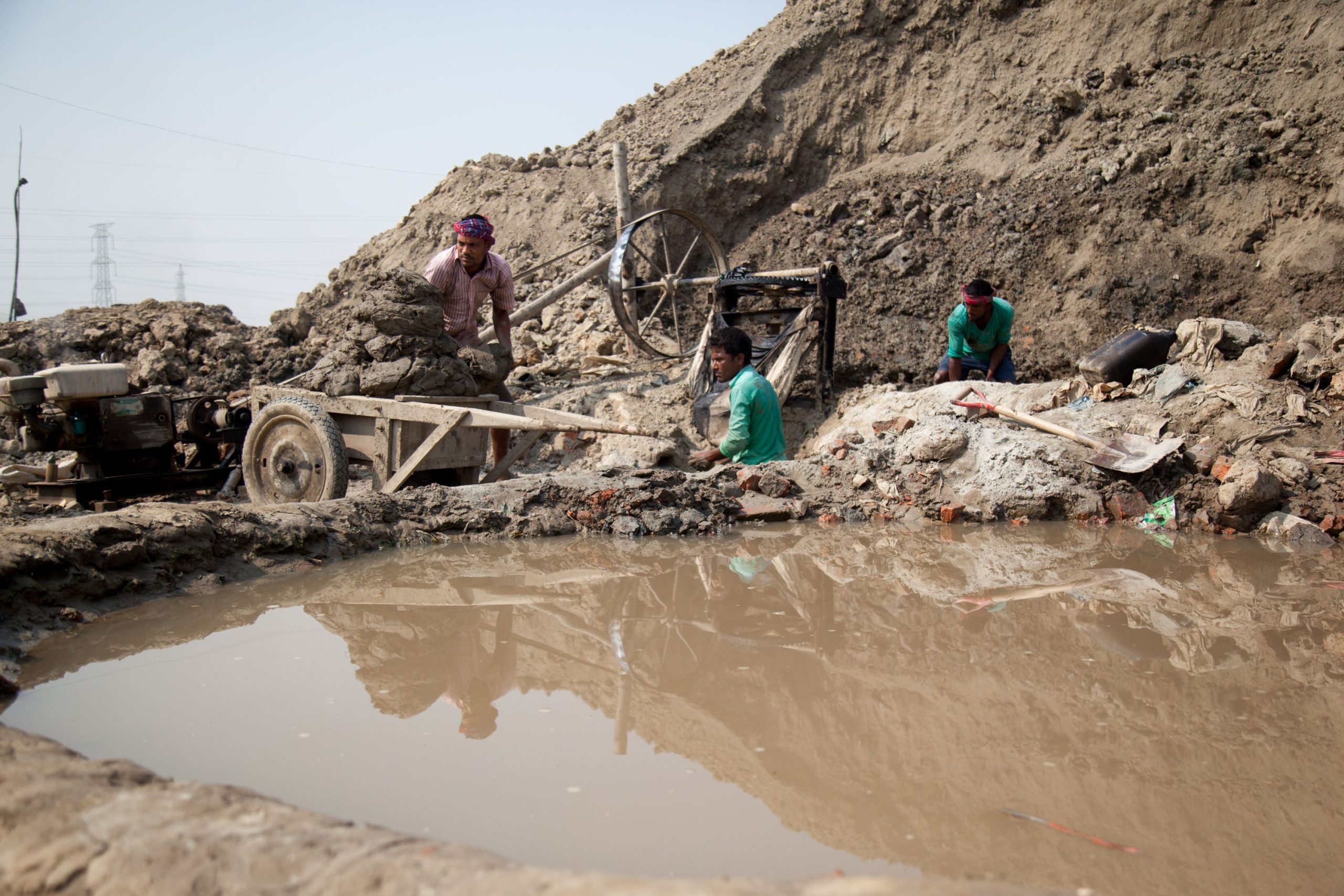
Rescue teams in Indonesia are grappling with treacherous conditions as the search continues for miners trapped by a catastrophic flood in an illegal gold mine in West Java’s Bogor regency. With 13 confirmed dead and 13 still unaccounted for as of November 26, the disaster highlights the deadly risks associated with unauthorized mining operations in the region.
The tragedy unfolded on November 23, when relentless rainfall caused the Ciseureuh River to overflow, inundating a 100-meter-deep shaft in the mountainous Ciguha area south of Jakarta. Water rushed into the unpermitted mine, quickly engulfing workers underground. According to multiple international reports, authorities only learned of the incident about 16 hours after flooding began due to the site’s illicit status, drastically delaying the start of rescue efforts.
The extraction site, situated close to facilities operated by PT Antam’s Pongkor mining unit but with no ties to the state-owned enterprise, has operated outside Indonesia’s regulatory framework—a situation common across the archipelago. Unlawful mining, often driven by economic desperation, frequently exposes workers to dangers including floods, landslides, and tunnel collapses. These operations also pose enduring environmental hazards, with toxic chemicals such as mercury and cyanide regularly used in the gold extraction process.
Rescue operations recently intensified, involving a task force of 325 personnel comprised of emergency responders, police, military, health officials, and local volunteers. Despite their mobilization, the teams face formidable obstacles: High water levels persist in the shaft, access points are narrow and muddy, and ongoing rainfall makes the already treacherous terrain slippery and hazardous, especially with limited artificial lighting underground. Efforts to pump out the water and explore adjacent shafts continue, although hope for survivors has waned sharply with each passing day.
“On the fourth day, the chances of finding survivors have become increasingly slim. But we will continue the search. At this point, it would be a miracle if anyone were still alive,” West Java police spokesperson Hendra Rochmawan told international media according to the Associated Press.
Indonesia is no stranger to such mining disasters, particularly in gold-rich regions where informal mining offers both opportunity and danger in equal measure. The illegal nature of these operations means that proper safety protections and emergency response plans are rarely in place, magnifying human and environmental tolls when disasters strike. The current search continues in the hope that any among the missing miners might be found alive, while the tragedy underscores the urgent need for stricter enforcement of mining regulations and greater economic alternatives for vulnerable communities.
Authorities say further updates will be provided as the search progresses.