
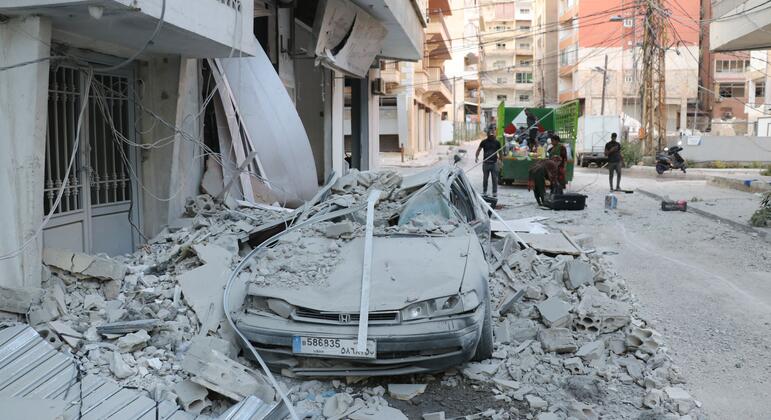
Even as Israeli strikes and internal crises drive tens of thousands from their homes, Lebanon stands out for making support for mental well-being as fundamental as medical treatment within its battered public health system. Amina Mohammed, UN Deputy Secretary-General, described the country’s evolving approach during a recent visit, stating that the scars of conflict reach far beyond the visible devastation, lingering in the minds and communities of those affected.
From Minimal Intervention to Systemic Support
Only two decades ago, Lebanon’s handling of mental health focused largely on providing psychotropic medications to those unable to afford them. According to WHO and the Lebanese Ministry of Public Health, this started to change after the 2006 war, when national need grew urgent. Frontline health care workers were trained in mental health first aid, buoyed by a national strategy and a series of workshops. The influx of over a million displaced Syrians and Palestinians since 2011 further shifted the context, amplifying pressure on the system and requiring tailored approaches for especially vulnerable populations—over half of them women and children. Survey campaigns and guides were developed, reaching hundreds of primary care staff and targeting issues ranging from post-traumatic stress to domestic violence.
Integrating Care Across Levels
The transformation is most visible in everyday medical encounters: at a primary health center in Beirut’s Chiyah district, mental health screening is now as routine as taking a patient’s blood pressure. Earlier efforts, such as Lebanon’s National Mental Health Programme, pushed for such services, culminating in actions like making the national Lifeline 1564 hotline toll-free. Still, resource constraints remain acute. Lebanon has the know-how and systems, Mohammed stressed, but needs greater investment and broad reach to convert proven pilots into sustainable national practice.
Empowering Healthcare Workers Amid Crisis
The pace of change accelerated amid the latest rounds of violence in 2023 and onset of war in 2024. Facing acute shortages and burnout, hospitals mobilized a massive training push: over 2,500 hospital staff, including more than 1,800 nurses, received specialized instruction in emotional crisis management and breaking bad news—crucial in the aftermath of fresh attacks and mass displacement. Physicians in hospitals lacking psychiatry departments learned new protocols for managing acute psychiatric emergencies, often being the only available staff for mental health crises. Rehabilitation specialists focused on the psychosocial needs of war-wounded and disabled patients. Advanced modules for nurses aimed to seed these practices hospital-wide, and requests are mounting to further expand these trainings to non-medical frontline workers like security staff.
Pushing the Boundaries: Extending Care to Prisons
Lebanon’s efforts reached beyond conventional settings. At Roumieh Central Prison, the country’s largest, WHO and national authorities leveraged the disruption of the COVID-19 pandemic to pilot wider health reforms. With high chronic disease rates and severe staff shortages, an integrated push delivered comprehensive health assessments, rehabilitation of prison medical wards, and the integration of the prison clinic into the national primary health care network. Over 500 inmates received direct mental health consultations and broader awareness sessions—an approach that could assure continuity of care for released inmates and help them reintegrate into society.
A Global Template Under Strain
These advances take place against a severe operational backdrop: Lebanon’s health sector, battered by fuel shortages, supply gaps, and the exodus of skilled professionals, struggles to keep pace. Yet the country’s model is being watched closely. In 2024, some 300 million people worldwide needed humanitarian assistance, about 66 million of them with significant mental health needs. The UN’s Greentree Acceleration Plan, launched in Lebanon and Chad with independent charitable funding, aims to adapt and expand locally led models, including support for humanitarian workers themselves, as burnout and trauma compound the suffering.
Pressure remains unrelenting on both providers and patients. Frontline workers report immediate changes thanks to new training, yet demand keeps growing and gaps persist. Whether Lebanon’s hard-won expertise can be scaled under these constraints—at home and abroad—remains the open question for global health responders seeking to make mental health not an afterthought, but a primary pillar of crisis care.