
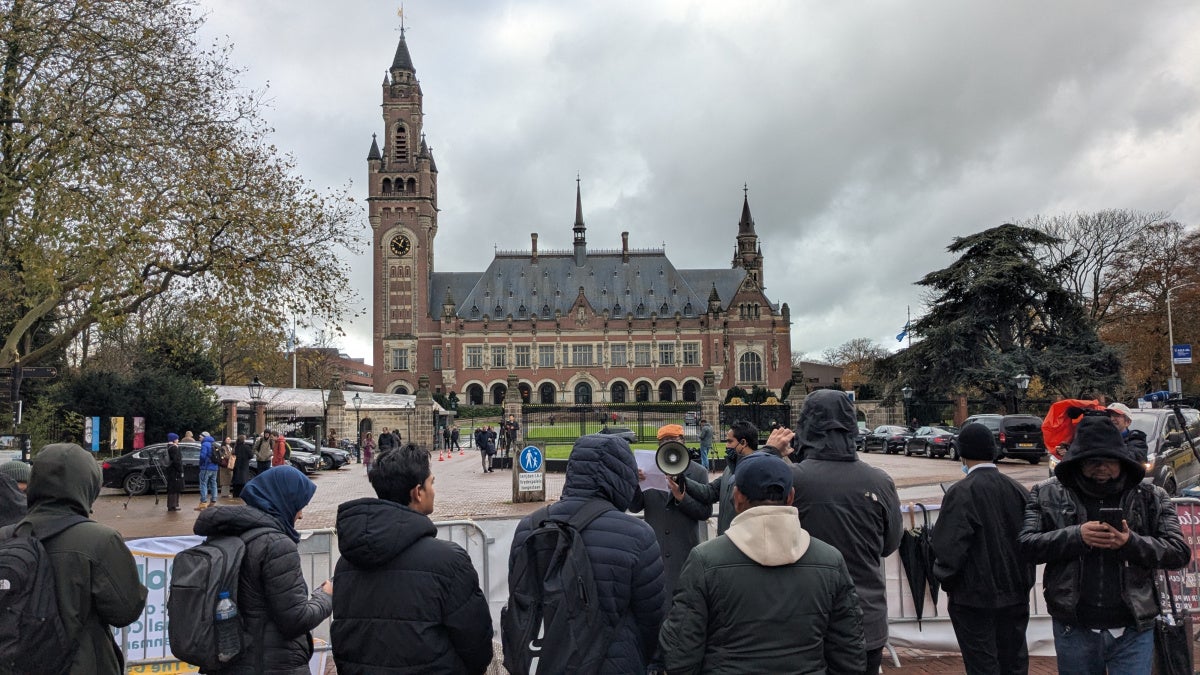
The world’s highest court delivered a seismic judgment on November 19, 2026, finding Myanmar responsible for genocide against the Rohingya minority during its military operations in 2017. The International Court of Justice (ICJ) found that Myanmar’s security forces killed thousands of Rohingya civilians, carried out systematic sexual violence, and brutalized children—actions the court ruled as clear violations of the Genocide Convention.
The verdict comes nearly a decade after Myanmar’s “clearance operations” in Rakhine State triggered the forced exodus of more than 700,000 Rohingya to Bangladesh. The case was brought in 2019 by The Gambia, which argued Myanmar deliberately tried to destroy the Rohingya as a group. This marks the first time a state has been found guilty of genocide by the ICJ, setting a new precedent for accountability in international human rights law. (Source: hrw.org)
UN and Rights Groups Hail the Decision
UN Secretary-General António Guterres welcomed the judgment, emphasizing its historic significance. Amnesty International described the ruling as a “rare moment of justice” for survivors. (Sources: myanmar.un.org, amnesty.org) The decision resonates in refugee camps where survivors had waited years for acknowledgement of their suffering and for hope of visible consequences for Myanmar’s leaders.
What the Ruling Orders—And What It Leaves Unresolved
The ICJ’s binding order directs Myanmar to cease ongoing violations, enact laws aligning with the Genocide Convention, and compensate the Rohingya community. Myanmar must provide the court with a report on its compliance and plans for restitution within two years. (Source: iimm.un.org)
Yet, fundamental questions remain. The court’s judgment assigns state responsibility—it does not name or seek prosecution of individual military leaders. Accountability for specific officials remains outside the ICJ’s remit, raising uncertainty over whether those who ordered abuses will ever be personally prosecuted. (Source: hrw.org)
The Path Forward: Uncertain Compliance and Refugee Futures
Whether the ruling will lead to change in Myanmar is uncertain. Reports indicate Myanmar’s current military rulers may resist the judgment. If Myanmar refuses to comply, international sanctions or diplomatic pressure may follow, but the court cannot directly require enforcement of its findings. (Source: axios.com) Refugees remain in limbo: conditions for their safe, voluntary return are still far from guaranteed amid continuing unrest and instability inside Myanmar.
For now, the ICJ’s ruling stands as a milestone for the Rohingya people, recognizing at the highest international level the crimes committed against them. The legal and moral authority of the verdict will test both Myanmar’s willingness to reform and the international community’s resolve to secure accountability and justice for one of the most persecuted minorities of the 21st century.