
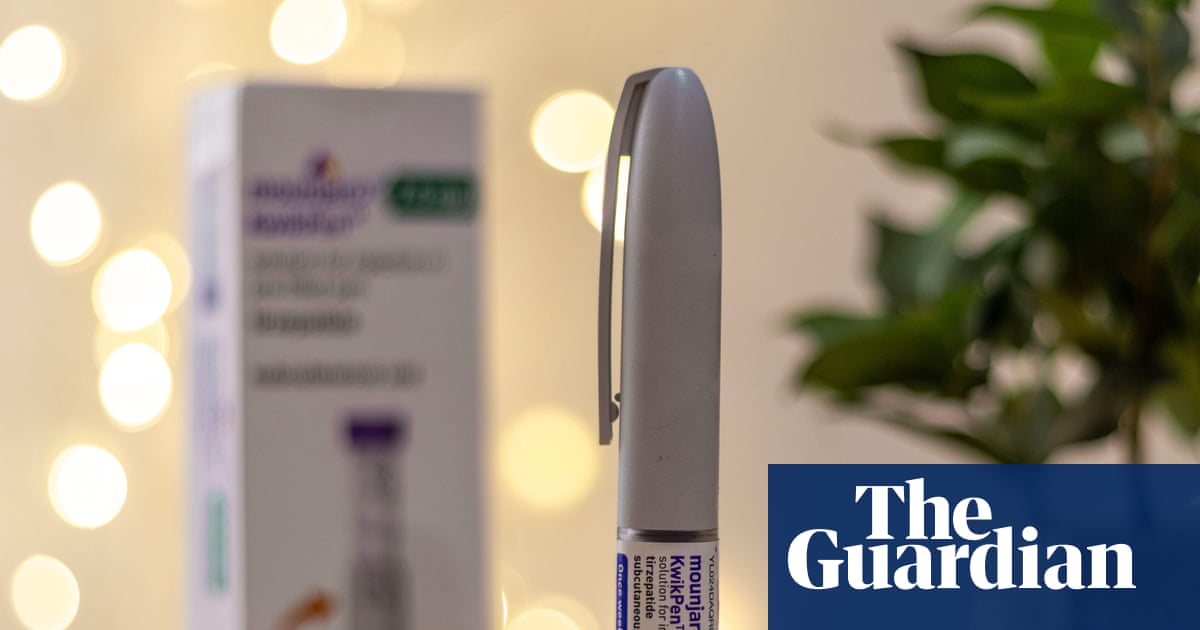
The number of children in England receiving prescription weight-loss injections has surged, according to official NHS data released via Freedom of Information requests. In the 2025–26 financial year, 419 prescriptions for GLP-1 medications—commonly known by their brand names Wegovy (semaglutide) and Mounjaro (tirzepatide)—were issued to minors under 18. Startlingly, at least 10 of those prescriptions were for children younger than 12, with more than a dozen additional issued between April and July 2026 for this age group.
Medical Context and Policy Debate
Initially developed to manage type 2 diabetes, GLP-1 drugs have recently gained prominence as anti-obesity treatments. While they offer hope for families confronting severe childhood obesity, their use in children—especially those under 12—remains highly contested. In October 2026, the World Health Organization recommended that such medications not be given to children younger than 10, citing a lack of long-term safety evidence.
The debate is set against a backdrop of rising childhood obesity in England. Recent NHS figures indicate 10.7% of children aged 4-5 are classified as obese, rising to 22.8% by ages 10-11. These grim statistics have prompted authorities to pursue a range of interventions, including the pilot of Complications from Excess Weight (CEW) clinics for severely affected children from age two and up. As of May 2026, close to 6,500 children had been referred to these clinics—over 400 of them under the age of four.
Calls for Caution and Monitoring
The escalation in GLP-1 prescriptions has sparked concern within the medical community. Professor Martin Whyte, a metabolic medicine expert at the University of Surrey, emphasized in interviews with The Guardian the “critical need for specialist pediatric services and ongoing monitoring” if GLP-1 therapies are used in children. Echoing this, pediatric endocrinology specialist Professor Julian Hamilton-Shield explained that these weight-loss drugs are typically considered only as a last resort, reserved for children with severe obesity unresponsive to behavioral therapies and facing related health complications.
The available prescription data—excluding private clinics and hospital settings—may understate the true scale of GLP-1 use among minors. Complicating matters, researchers stress that little is known about the long-term effects of these drugs on children’s physical and psychological development. Meanwhile, disparities in access and local uptake of the latest therapies risk exacerbating existing health inequalities.
Evidence and Future Directions
Although some clinical trials suggest GLP-1 medications can aid young children with obesity, regulatory agencies and public health advisors remain cautious. The ongoing prescription trend coincides with continuous monitoring and research into the drugs’ safety, efficacy, and role in long-term treatment plans.
As England contends with a mounting childhood obesity crisis, the spotlight is likely to remain fixed on how health authorities, clinicians, and families navigate the promise and pitfalls of medical weight-loss interventions for the youngest patients.