
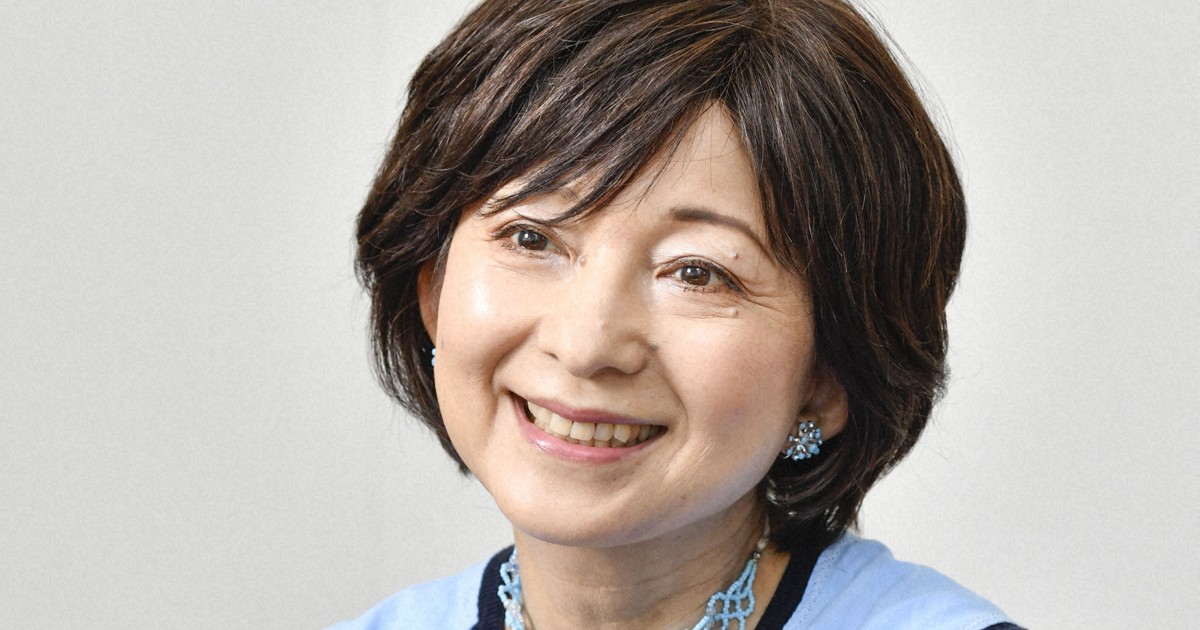
The Japanese music world is mourning the loss of Hiromi Ōta, the beloved singer-songwriter whose 1975 hit “Momen no Handkerchief” captured the hearts of millions and helped define a generation of pop music in Japan. Ōta passed away in Tokyo on November 12, 2026, at age 71, after a battle with breast cancer, her family confirmed through her official social media on November 18.
Born Hiromi Ōta in Tokyo in 1955, she made her musical debut in 1974 with the single “Amadare” (“Raindrops”). However, it was “Momen no Handkerchief”—released in December 1975—that defined her career, reaching number two on the Oricon weekly charts and selling over a million copies. The song’s poignant lyrics and vibrant appeal helped cement her as one of Japan’s most influential pop artists of the era.
Ōta’s influence extended beyond the charts. Between 1976 and 1980, she graced NHK’s prestigious “Kohaku Uta Gassen” five consecutive times, a testament to her enduring popularity. She also appeared as an actress, memorably playing the heroine’s mother in the NHK morning drama “Sakura” in 2002, marking her presence across generations and media.
In her personal life, Ōta married director and producer Tomohiko Fukuoka in 1985. The couple had two sons. Her career continued well into recent years, but in September 2019 she publicly disclosed a diagnosis of breast cancer, undergoing surgery and chemotherapy. By April 2024, Ōta had withdrawn from concert appearances to focus on her health, entering hospital care as the disease progressed.
Her passing was announced by her husband, who underscored her dedication to her craft and fans. A private funeral service was held with close family on November 18.
Ōta’s musical legacy endures. “Momen no Handkerchief” remains a touchstone in Japanese pop, covered by myriad artists and spanning genres. Her innovative blend of idol pop, folk, and new music inspired successive waves of female J-pop artists, shaping the contours of the modern genre. Even as Japan’s music scene evolved, Ōta’s voice and artistry stayed woven into the nation’s cultural memory.
While her family has not publicly disclosed the immediate cause of death beyond previous reports of breast cancer, Ōta’s influence and memory are secure. For many, her music remains an enduring comfort and a marker of Japanese pop’s golden era.