
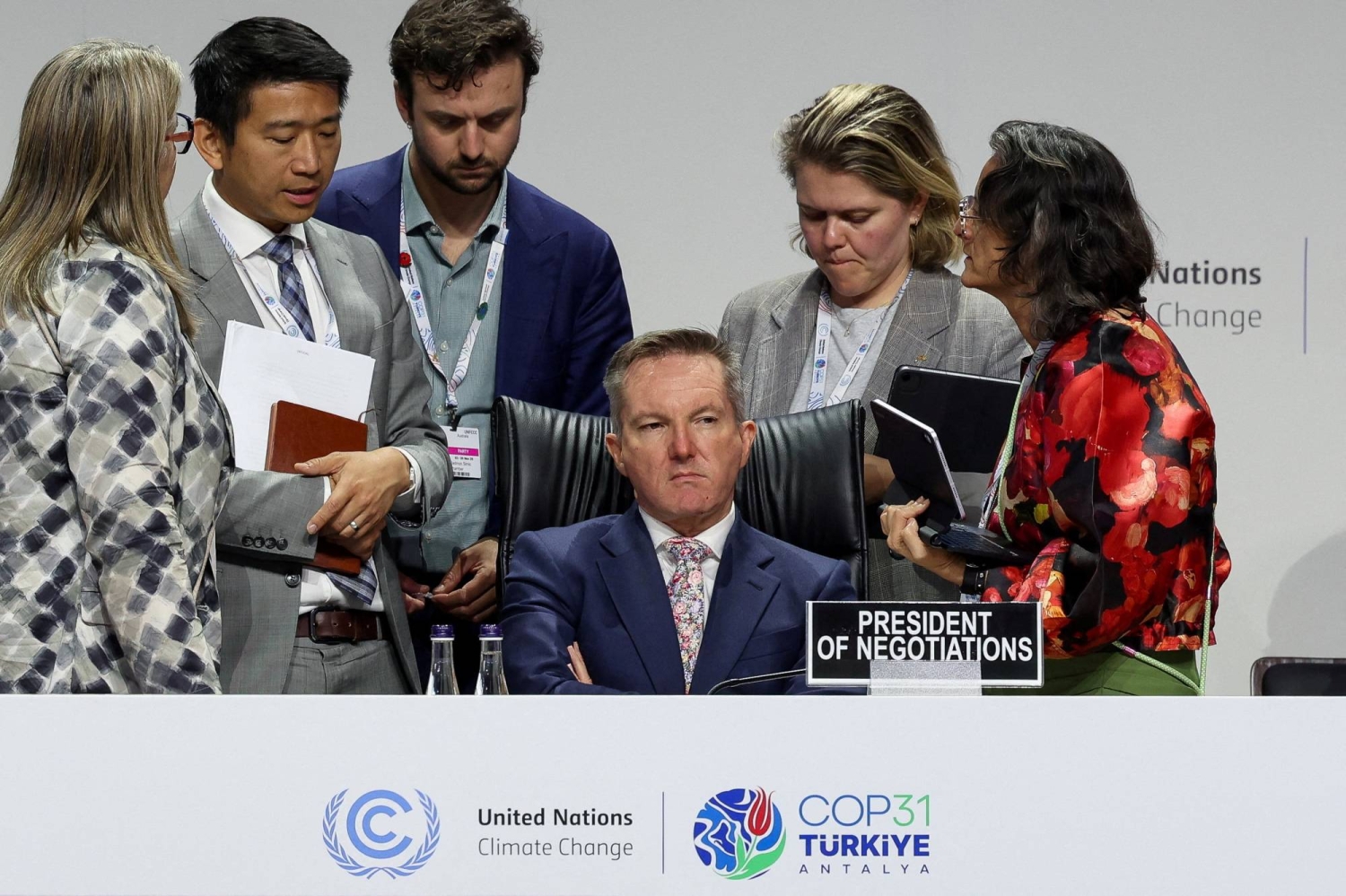
The world’s most consequential climate summit in years ended in deadlock as COP31—the 31st United Nations Climate Change Conference held in Antalya, Turkey—closed on November 22, 2026, without a final agreement. The breakdown highlights profound rifts in global climate politics and marks a stinging setback for collective action against global warming.
Negotiators from 198 nations spent nearly two weeks seeking consensus on a blueprint to accelerate action on climate change. However, the talks foundered over one issue: whether to include a firm commitment to transition away from fossil fuels in the final conference text. Oil-rich countries, led by Saudi Arabia and Russia, staunchly resisted any language referencing a phase-out, while the European Union and over 130 other nations argued such a step was essential to meeting urgent climate targets (Time).
In the immediate aftermath, finger-pointing defined official reactions. OPEC Secretary-General Haitham Al Ghais insisted that oil and gas exporting countries had “acted in good faith,” condemning what he described as the EU’s inflexibility for rejecting a compromise draft that omitted explicit fossil fuel phase-out language. European negotiators, for their part, expressed deep disappointment, arguing that failure to commit to fossil fuel reduction gravely undermined the summit’s credibility and purpose (OPEC; SvD).
Further controversy swirled around allegations of undue influence, with some negotiators claiming Saudi officials had unusual access to the conference’s co-presidencies, raising questions about the fairness of the negotiating process (Japan Times).
Disagreements also erupted over the prominence of carbon capture, utilization, and storage (CCUS) technologies in the proposed text. Developing countries argued that reliance on such costly and largely unproven approaches could serve as a pretext to prolong fossil fuel extraction and export, rather than a genuine move toward decarbonization (Japan Times).
The collapse at Antalya stands as the most serious breakdown in global climate negotiations since the failed 2009 Copenhagen summit—a failure that nonetheless laid the groundwork for the 2015 Paris Agreement and subsequent climate action frameworks. Analysts warn that, just as with Copenhagen, COP31’s failure could force the international community to reevaluate the architecture and expectations of future climate summits, potentially leading to new negotiating models or coalitions (Time).
As of November 26, 2026, nations remain divided on the core issues of fossil fuel transition and the appropriate role of emerging technologies. The global community is now left searching for alternative pathways to climate cooperation, even as activists and governments confront mounting evidence of accelerating climate impacts worldwide.