
A steep reduction in humanitarian aid has exposed refugee children in Bangladesh and Ethiopia to a significant rise in trafficking and exploitation, new research by the UNHCR and Oxford University reveals, with the collapse of key protective services amplifying already dire risks for the world’s most vulnerable.
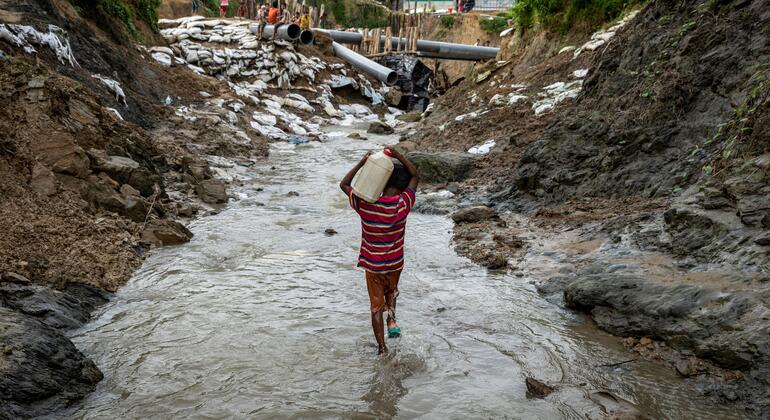
Cox’s Bazar, Bangladesh, shelters more than a million Rohingya refugees, making it the world’s largest refugee settlement. Here, a convergence of crisis factors—expanding population, dwindling budgets, and withering support systems—has produced a stark outcome: a 28 percent increase in detected trafficking cases between 2024 and 2025, of which nearly a quarter of victims this year are children. With the UNHCR’s operational budget shrinking by over 8 percent in 2025 and nearly 60 percent unfunded, pressures on the camp population have intensified. Most new arrivals remain unhoused, 88 percent of Rohingya households report deteriorating shelters, and clean water availability has dropped by a third within a year. As Elizabeth Tan of UNHCR warns, the dismantling of crucial supports—like legal aid, psychosocial care and safe spaces—makes it easier for traffickers to target those already at risk.
In Ethiopia, 1.1 million refugees—mostly from conflict-torn neighbors—now face a protection shortfall of a different, but equally acute, character. Refugee children comprise over half of the displaced population, including 31,000 separated from family members. Drastic funding gaps have slashed family tracing and reunification services by more than half and left 57 primary schools supporting 110,000 refugee children without secure resources. An alarming field trend: more children now work in hazardous settings like agriculture and informal mining, risking sexual violence, forced marriage, and trafficking. Ethiopia’s experience underscores how insufficient investment in child protection allows exploitation to flourish—as formal mechanisms erode, young people are forced into survival strategies that may put their lives and futures in jeopardy.
This global pattern of risk is further confirmed by European and international reports. The European Union Agency for Asylum (EUAA) has documented that deteriorating conditions and funding shortfalls have a cascading effect: forced displacement and separation from family expose unaccompanied minors and children to “direct or extreme forms of structural violence.” The trauma is not just physical—experts estimate that as many as a third of repeatedly displaced children develop persistent fear and psychological scars. These dynamics are now compounded across different continents: unaccompanied girls face heightened risk of forced marriage; children with disabilities or from marginalized backgrounds are targeted for abuse and exploitation.
Despite these harrowing realities, international efforts to bolster child protection systems struggle with chronic underfunding. As of mid-2026, only a quarter of UNHCR’s global child protection and gender-based violence programs were funded. Recent regulatory reforms in Europe—such as the EU’s revised Anti-Trafficking Directive—signal wider recognition of the expanding dangers, obliging member states to deploy new tools against forced marriage, illegal adoption, and surrogacy exploitation, alongside stronger victim support. However, both authorities and civil society warn that without real resources and rapid, multi-agency action—including investments in mental health, education, and legal representation—the gap between policy and protection will only grow.
The confluence of shrinking humanitarian budgets, rising displacement and weakened protection is propelling more children into the grip of traffickers and exploiters. For the international community, the findings outlined by UNHCR and Oxford University present a clear imperative: without urgent, predictable investment in refugee child protection today, the world risks entrenching cycles of harm and instability that cross borders and generations.