
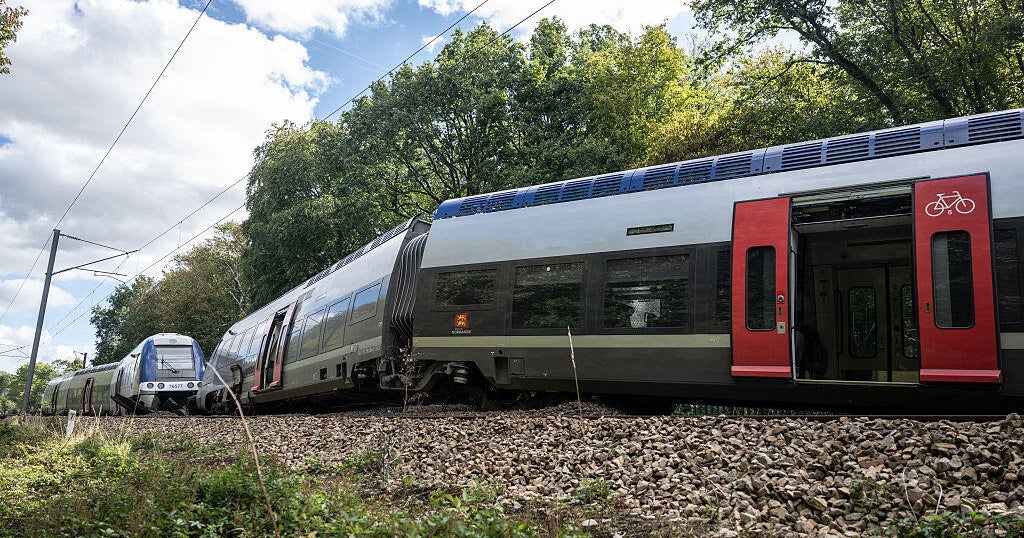
French police have arrested four suspects in connection with the September 11, 2026 derailment of a regional passenger train near Cléon in the Seine-Maritime department, a case that left 44 people injured and renewed questions about rail infrastructure safety and sabotage in France.
The evening incident shook the Normandy region when a train carrying 186 passengers, traveling between Rouen and Caen, left the tracks just outside Cléon, a quiet commune north of Paris. Emergency services responded at scale, with more than 130 firefighters, multiple medical teams, and 80 vehicles rushing to treat the injured – including one 18-year-old woman who was critically hurt – and secure the area for investigators and rail officials. Services between the cities were quickly suspended, impacting thousands more and focusing national attention on the circumstances of the crash.
Authorities opened a criminal inquiry within hours, after preliminary evidence at the scene – most notably a section of rail found suspiciously placed on the tracks – spurred fears of deliberate sabotage. Now, more than two months later, law enforcement detained four individuals near Cléon: a 45-year-old man, his two sons, and a fourth person whose identity has not been publicly released. Their arrests were confirmed on November 23, 2026, though some published sources offer varying counts, likely due to differences in reporting of “arrest” versus “detention.”
According to French prosecutors, those detained face charges including attempted theft, group theft, and involuntary bodily injury. At this stage, investigators have not formally linked the suspects to the act of sabotage itself, and the precise circumstances behind the placement of the rail fragment on the tracks remain under close scrutiny. The investigation is ongoing, and authorities have cautioned that further evidence is necessary before drawing definite conclusions.
The high-profile derailment has had ripple effects far beyond Seine-Maritime. President Emmanuel Macron issued statements raising the alarm over critical national infrastructure vulnerability and ordered measures to tighten rail security following the incident. While rail services have since resumed on the affected line, public confidence and community-level anxiety compel a continued focus on infrastructure threats and safety protocols throughout France’s vast rail network.
The full story of what led to the Cléon derailment and who is ultimately responsible remains unsettled. Both legal proceedings for those arrested and the technical investigation into the derailment’s cause proceed in parallel, as French authorities and rail operators work to reassure passengers and track operators alike. As the inquiry advances, further updates are expected to clarify the roles and motives of those detained, and the true origin of the act that so nearly cost dozens of lives.