
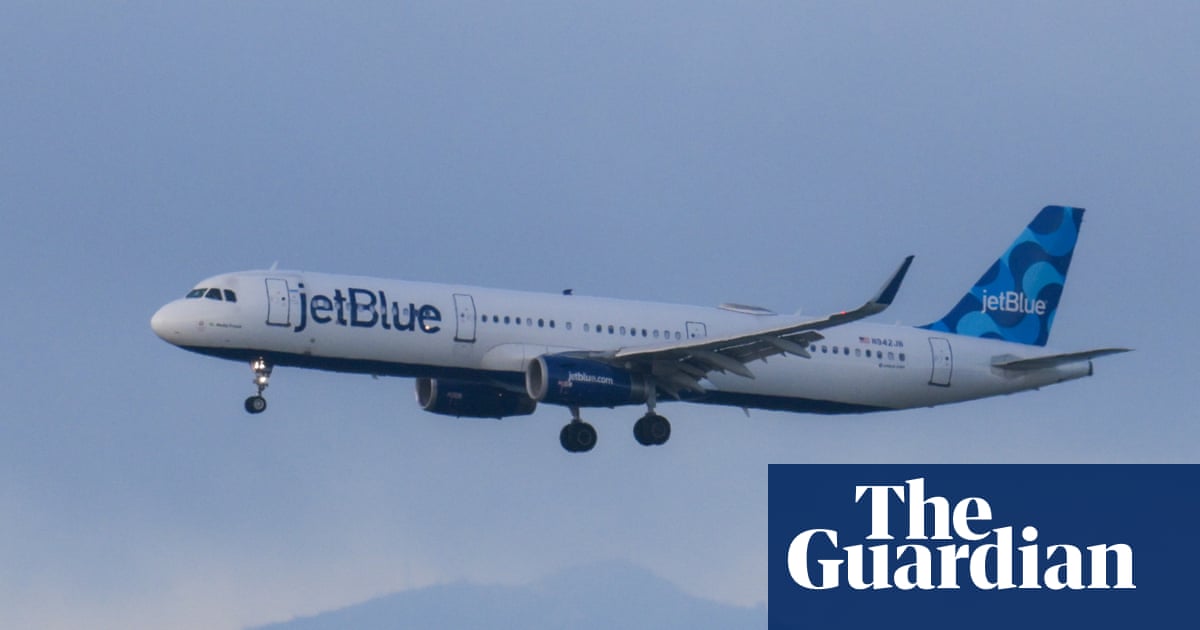
JetBlue Flight 1717’s descent into Fort Lauderdale-Hollywood International Airport took a harrowing turn early Tuesday, when the Airbus A320 encountered severe turbulence that left five people injured, according to federal and airline officials. The incident, which occurred roughly half an hour prior to the scheduled landing, underscores persistent risks posed by unpredictable weather phenomena to commercial aviation.
The flight, departing from Ponce, Puerto Rico, took off around 6:25 a.m. local time and was on approach to Florida when its crew reported violent shaking as the aircraft traversed skies near the Turks and Caicos Islands and the southern Bahamas. According to information cited from contemporary aviation reporting, weather conditions in the region included thunderstorms with turbulent air masses extending to 46,000 feet, creating hazardous pockets above and below the thunderclouds.
Broward Sheriff Fire Rescue crews met Flight 1717 as it arrived safely on the runway at 6:58 a.m. Paramedics evaluated the five injured individuals—reported to include both passengers and cabin crew—directly at the terminal. No one required or accepted transportation to local hospitals for further treatment, and there was no structural damage to the aircraft, officials indicated.
JetBlue released a statement confirming the event and emphasized that the safety and well-being of its customers and crew remain its highest priority. The airline said immediate medical assessment was provided following the incident.
Both the Federal Aviation Administration and the National Transportation Safety Board are expected to open formal investigations into the circumstances surrounding the severe turbulence. While turbulence-related injuries aboard commercial flights remain rare, they remain a recurring source of risk for flight safety.
For now, authorities are awaiting more detailed findings on the meteorological conditions and any potential contributing factors. JetBlue Flight 1717’s ordeal highlights the challenge of forecasting and mitigating turbulence—especially around convective weather systems common in subtropical airspace. Updates are expected from aviation authorities as their investigation progresses.