
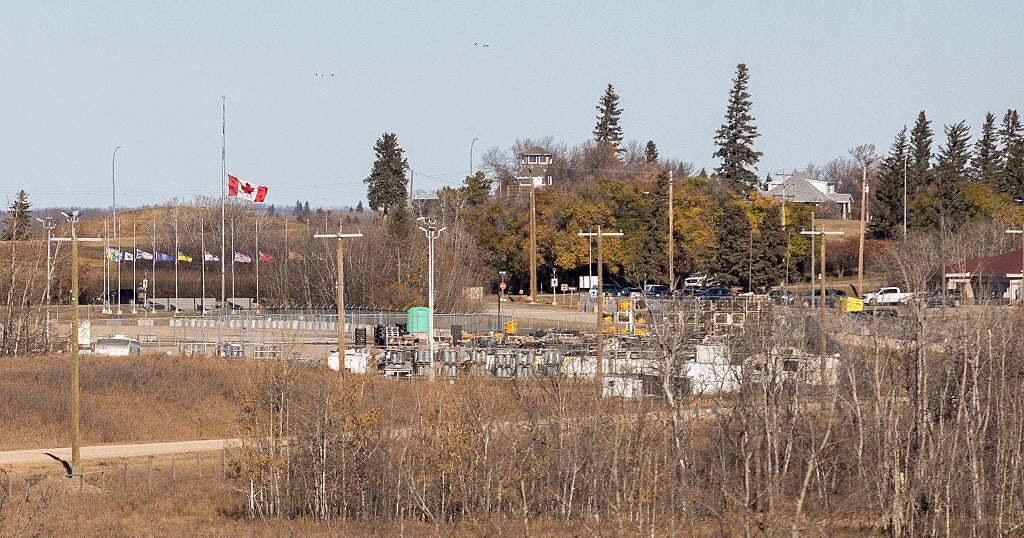
The Canadian Armed Forces have suffered one of their most significant peacetime losses on home soil following a deadly fire that swept through CFB Wainwright in Alberta during a live-fire exercise on October 17, 2026. With confirmation of Sergeant Morgan Wong’s death on November 14, the known toll now stands at five lives lost, and dozens more remain hospitalized in the aftermath of the blaze.
According to official reports from the Department of National Defence, the tragedy unfolded as approximately 84 members of the 3rd Battalion, Princess Patricia’s Canadian Light Infantry participated in Exercise APOLLO SHOOTER on the base’s grasslands. During training, a fire—spurred by high winds—rapidly overtook the unit’s administrative area, trapping and injuring many. In total, five soldiers have now succumbed to their injuries: Sergeant Wong, Privates William Douglas Dal Bianco, Shaun Farrell, Aidan Goulding, and Hayden Lykkemark, all in their teens and twenties. Thirty-nine additional personnel were injured; as of mid-November, 24 remain in hospital with serious burns and smoke inhalation, while 14 have been discharged.
The incident has led to scrutiny of military range safety, particularly when training in the unpredictable fall weather of Alberta’s prairie landscape. Military police have launched a formal investigation into possible criminal or service offenses, while a separate board of inquiry will review all circumstances surrounding the tragedy and recommend changes to training and safety protocols. No preliminary findings have been released, and officials stress that both inquiries are ongoing (canada.ca).
Prime Minister Mark Carney, in an official statement, described the event as “one of the worst peacetime tragedies for Canada’s military on Canadian soil.” Defence Minister David McGuinty extended condolences and asserted that the government is committed to supporting affected families and survivors, and to ensuring maximum transparency in the inquiry process (canada.ca; washingtonpost.com).
The base, established in 1940 and one of Canada’s largest military installations, regularly hosts major training operations and is considered essential to Army readiness. While live-fire exercises are fundamental to military preparedness, this incident has brought renewed attention to the dangers routinely faced by service members even in non-combat settings.
With investigation outcomes pending, immediate changes to training schedules or safety procedures have not been formally announced. Both oversight bodies are expected to report next steps in the coming months, and officials acknowledged that lessons learned from this tragedy may have consequences for military exercise planning both at CFB Wainwright and other Canadian bases.