
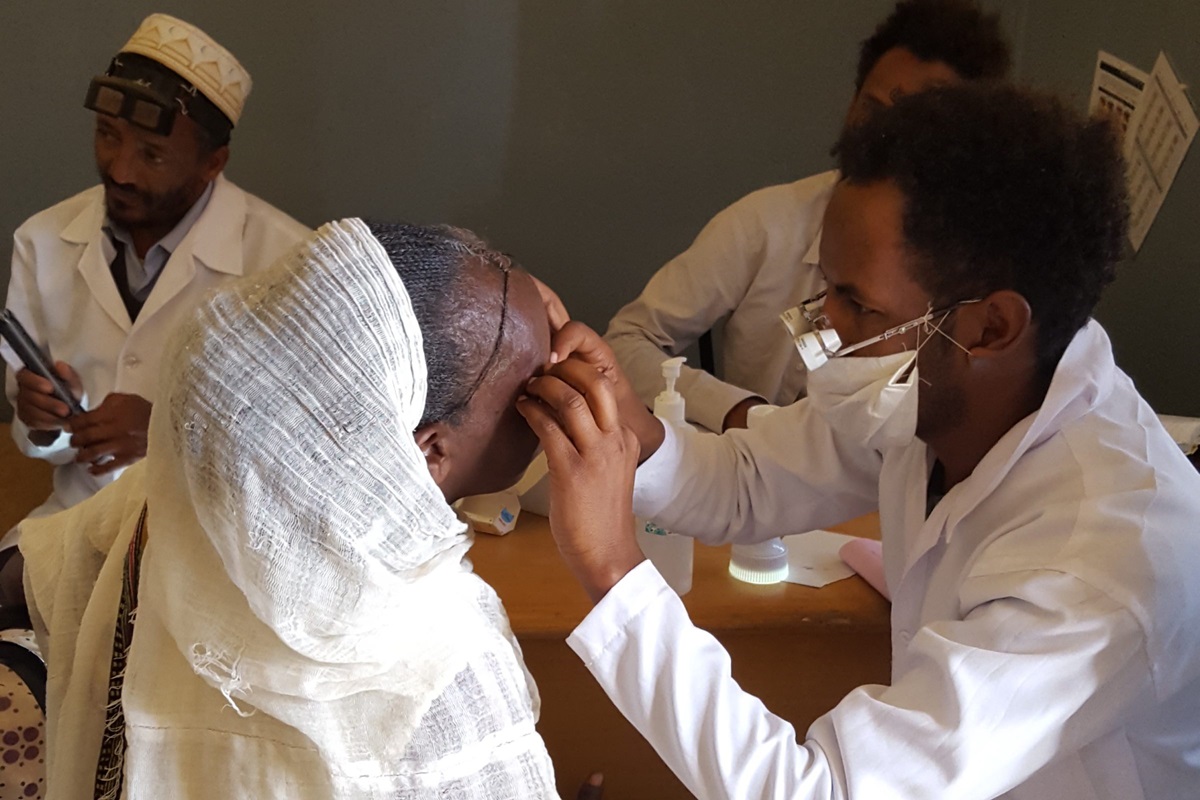
Eritrea has been validated by the World Health Organization (WHO) as having eliminated trachoma as a public health problem, becoming the 11th nation in WHO’s African Region to achieve this status and the 34th worldwide as of November 16, 2026. This announcement, grounded in years of systematic public health interventions, places Eritrea alongside a select group of countries that have overcome one of humanity’s oldest infectious causes of blindness.
In Eritrea, many rural communities historically lacked sufficient access to healthcare, clean water, and sanitation—prime conditions for the transmission of trachoma, a disease caused by Chlamydia trachomatis. Trachoma spreads through close contact and contaminated surfaces, and repeated infections can eventually lead to permanent blindness. Globally, trachoma has caused visual impairment in roughly 1.9 million people and has been most persistent in the poorest, most underserved regions of the world.
Eritrea’s journey to this milestone began two decades ago, following extensive national surveys from 2006 to 2020 to map the risk and prevalence of trachoma. Building on the WHO-recommended SAFE strategy—Surgery to treat trichiasis, Antibiotics to clear infection, Facial cleanliness, and Environmental improvements—the Eritrean government and its partners coordinated mass distribution of oral azithromycin (donated by Pfizer through the International Trachoma Initiative), promoted hygiene, and invested in community-led sanitation projects. Digital tools enabled health workers to map pockets of infection and target interventions in even the most isolated localities.
Community involvement was key to success. With comparatively limited external funding, Eritrea prioritized local ownership and leadership at every stage. The adoption of sanitation improvements, together with continuous public health messaging and the establishment of surveillance systems to identify new cases, laid the groundwork for lasting impact.
Validation by WHO follows a stringent review by an independent expert group, confirming that Eritrea met all criteria for elimination and possesses mechanisms to detect and manage future trachoma cases. WHO Director-General Dr. Tedros Adhanom Ghebreyesus described the achievement as “a victory for the communities most affected by this devastating disease, and a powerful example of what sustained national commitment can achieve.”
This progress comes amidst a significant global decline in the threat posed by trachoma, with the population at risk dropping from 1.5 billion in 2002 to under 100 million by November 2025—a reduction of roughly 94%. Nevertheless, as of March 2026, 92 million people still live in regions where trachoma remains endemic, and at least 29 countries are yet to reach elimination.
Eritrea’s success offers renewed hope and guidance for such countries. The achievement underscores what can be accomplished even under resource constraints through evidence-based intervention, persistent community participation, and coordinated action among international health partners. As global efforts continue toward full elimination of trachoma by 2030, this milestone stands as both an inspiration and a practical model in the ongoing fight against neglected tropical diseases.