
In a significant step toward safeguarding its submerged archaeological treasures, Egypt’s Ministry of Tourism and Antiquities signed two landmark cooperation agreements on November 23, 2026, with the UK-based Honor Frost Foundation and the National Institute of Oceanography and Fisheries (NIOF). The move signals an intensification of efforts to document, research, and protect the nation’s rich underwater cultural heritage along the Mediterranean and Red Sea coasts.
The agreements—formalized in Cairo during the celebrations for Underwater Cultural Heritage Day and the thirtieth anniversary of the Supreme Council of Antiquities’ General Administration of Underwater Antiquities—were attended by Minister Sherif Fathy and senior officials. The timing underscores Egypt’s renewed focus on building international collaboration for the protection of fragile underwater sites threatened by time, climate, and development.
Partnerships With Science and Conservation at the Core
The memorandum of understanding between Egypt’s Supreme Council of Antiquities and the Honor Frost Foundation is designed to facilitate joint scientific research, documentation, and the exchange of expertise on maritime archaeological sites. The partnership will co-publish studies and create new educational opportunities, including scholarships and advanced training for Egyptian specialists in underwater archaeology.
Beyond fieldwork, the agreement aims to spark wider public engagement through conferences, exhibitions, and cultural activities that illuminate the vital importance of underwater heritage for national and global audiences.
In parallel, Egypt’s agreement with the National Institute of Oceanography and Fisheries elevates the role of ocean sciences in the preservation of sunken relics. A joint working group will integrate archaeological and oceanographic techniques to map existing sites, develop projects, and prioritize areas for research. This protocol also commits both parties to organizing seminars and workshops to expand professional skills and public appreciation for maritime history.
A Modern Strategy Built on Thirty Years Experience
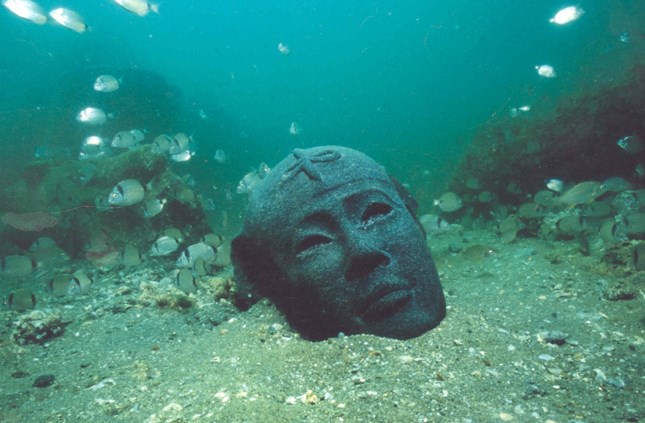
The new agreements represent the latest chapter in Egypt’s three-decade journey since establishing its General Administration of Underwater Antiquities. Early discoveries—such as the famed port cities of Heracleion and Canopus—demonstrated the scale of the nation’s underwater legacy and the risks posed by climate change, looting, and urban expansion.
Egyptian authorities say these collaborations align with a national strategy to “bolster cooperation with specialized institutions, both local and international,” leveraging advanced technology and cross-disciplinary expertise. Minister Fathy and project leaders emphasized that the agreements are only the first step—details of project launches and training initiatives are expected to follow as institutional teams begin their collaborative work.
The twin deals have so far drawn no reported contest or criticism. Independent monitoring of implementation and tangible progress will determine how Egypt’s underwater heritage fares amid twenty-first century challenges.