
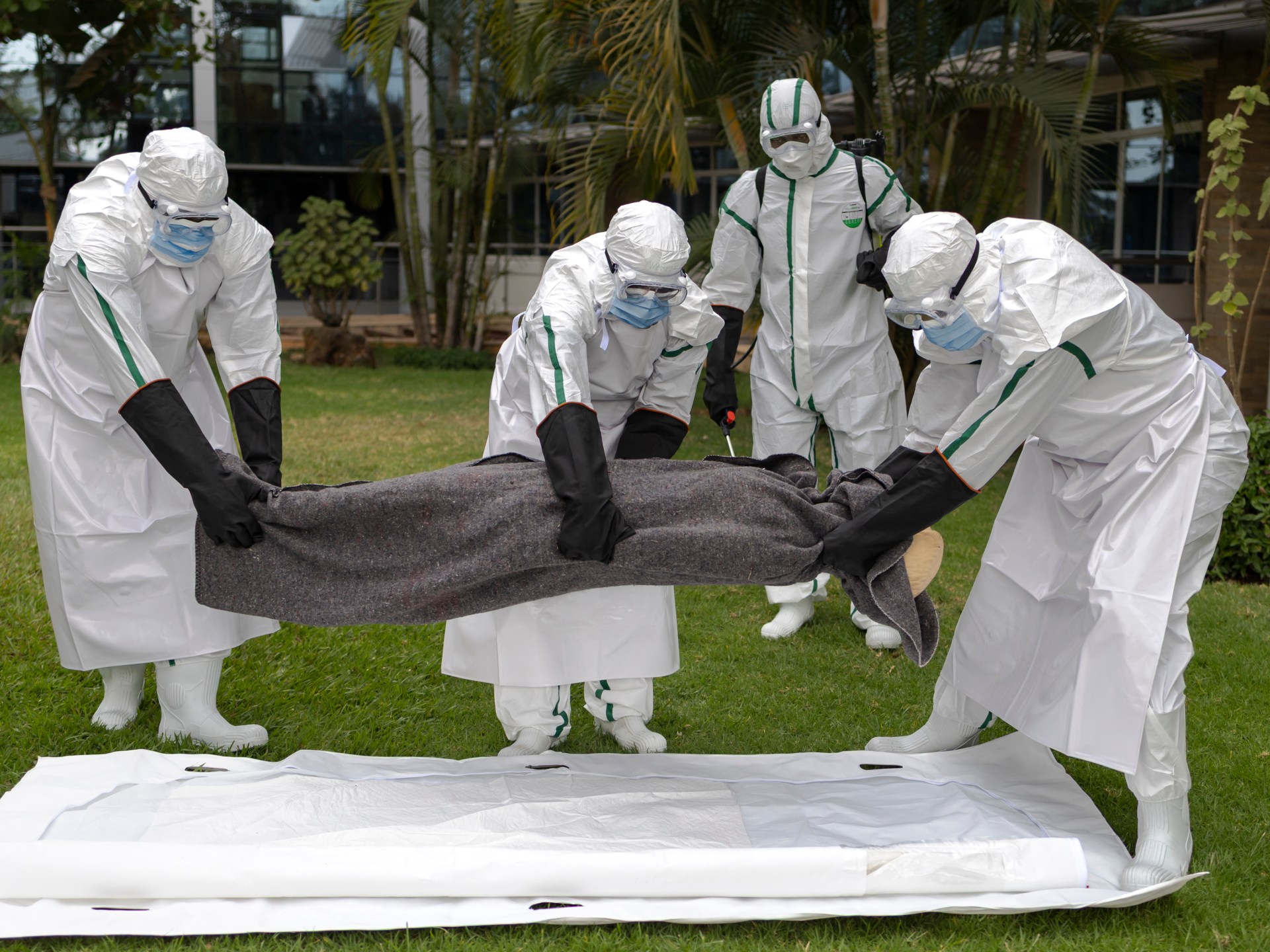
A relentless outbreak of Ebola, caused by the Bundibugyo virus, has become the deadliest in the history of the Democratic Republic of the Congo (DRC), as the number of confirmed cases surged past 10,000 by October 27, 2026. Health authorities and international organizations are scrambling to contain the crisis, officially declared by the DRC Ministry of Public Health and the World Health Organization (WHO) on May 15, 2026.
The outbreak’s epicenter remains the eastern provinces, including Ituri and North Kivu, but the virus has now reached 63 health zones, stretching across seven provinces. The highly mobile local population and porous regional borders have raised alarms among neighboring countries, with confirmed cases in Uganda prompting regional travel advisories and enhanced surveillance.
As of the latest reports, the death toll stands at 4,887, resulting in a case fatality rate approaching 49%. Transmission continues apace in many regions, with WHO noting that Ituri alone accounts for more than 6,000 confirmed cases since the beginning of the outbreak. North Kivu and Tshopo are also witnessing persistent high rates of new infections and mortality, exacerbating fears of wider regional spread (who.int, aljazeera.com).
Unprecedented Scale and Ongoing Risks
The Bundibugyo Ebola outbreak has surpassed the magnitude and scope of the DRC’s previous worst epidemic between 2018 and 2020, becoming a Public Health Emergency of International Concern, according to the WHO. Unlike earlier outbreaks caused by the Zaire strain, no approved vaccine or treatment exists for Bundibugyo Ebola, a fact that has compounded the crisis and stoked anxiety among affected populations (who.int, lemonde.fr).
Efforts to contain the disease have run into severe difficulties. Community mistrust towards health workers, combined with ongoing insecurity and attacks on health facilities, impede access to care and derail vital response activities. Delays in case detection allow for transmission among families and across communities, while ongoing population displacement heightens the risk of spread beyond current borders (who.int).
International Response and Challenges
The WHO, alongside the DRC’s health authorities and international partners, has scaled up support involving contact tracing, expanded treatment centers, and community engagement. Surveillance and quarantine protocols at land borders with Uganda, South Sudan, and other neighbors have also intensified amid signs of limited cross-border spread (who.int).
While several experimental therapies and vaccines have entered clinical trials, none is yet formally approved for use against this particular Bundibugyo strain. This has left frontline medics with limited options to protect themselves and patients as the epidemic continues to evolve. The WHO has issued temporary recommendations to all States Parties, urging sustained vigilance, cross-border coordination, and resource mobilization to limit international amplification (who.int, cdc.gov).
The DRC’s history with Ebola is long and fraught: the country has seen more than a dozen outbreaks since the disease’s discovery there in 1976. The current crisis, however, stands out for its speed, size, and complexity. As new cases and fatalities are still being recorded, officials warn that overcoming the epidemic will require not only medical resources but also breakthroughs in trust, security, and regional cooperation.