
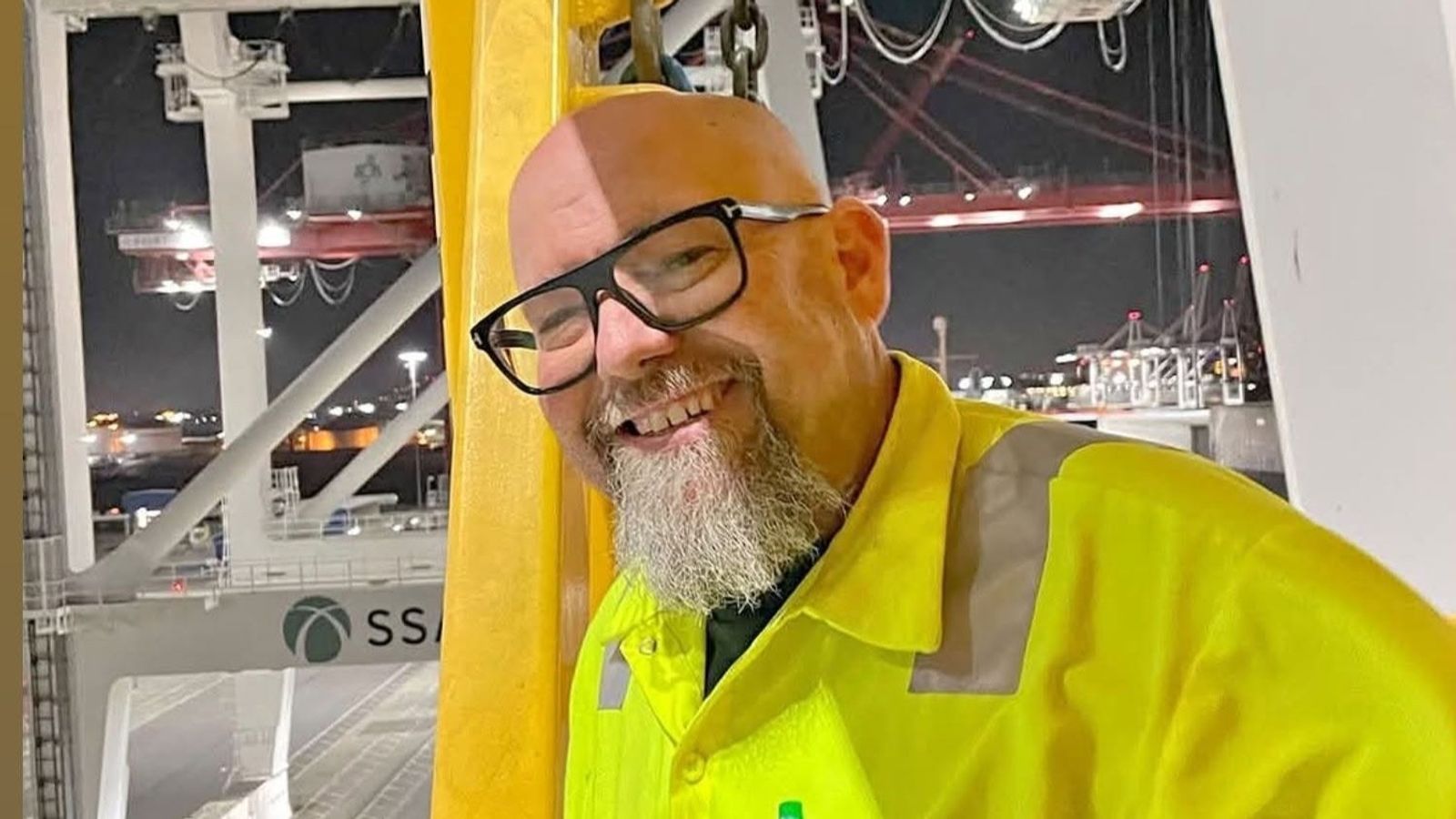
The bustling SSA Terminal 94 at the Port of Long Beach was the site of tragedy on November 21, 2026, when dockworker Jason “Jake” Radisic died while on duty, casting a pall over a day that also brought news of a high-stakes labor truce. The fatality, confirmed by the International Longshore and Warehouse Union (ILWU), comes as the region’s port workers narrowly avoided a strike after tense negotiations between union security guards and employers.
Radisic’s death unfolded as members of ILWU Local 26 had voted to authorize a strike, citing protracted contract disputes with the Pacific Maritime Association (PMA). Hours before picket lines could materialize, both parties reached a tentative agreement, temporarily staving off potential disruption at the twin ports of Los Angeles and Long Beach—vital arteries for U.S. trade. Yet, Radisic’s death underscored the day’s reality: for those working among the vast cranes and shipping containers, safety is never guaranteed.
Workplace Safety Under Scrutiny
The incident’s specifics remain under investigation and were confirmed by the union in a brief statement, which did not elaborate on the circumstances or link the tragedy to broader systemic issues. Coworkers paid tribute to Radisic, describing him as a “solid boss” and “one of the greatest bosses on the waterfront,” according to worker accounts first reported by the World Socialist Web Site. A community donation fund has since been launched in support of Radisic’s family.
The Port of Long Beach has a documented history with fatal workplace incidents. Past years saw tragic losses in 2010, 2012, and 2018. Concerns about the adequacy of regulatory oversight have been heightened by a California State Auditor’s report in July 2025, which found critical staffing shortages and systemic problems hampering effective enforcement by Cal/OSHA at port facilities.
Labor Relations and Safety Culture
Friday’s tentative labor agreement brought temporary relief to business interests wary of a work stoppage, but for some, the collision of averted strike and fatality only magnified longstanding anxieties. Unions have consistently pushed for stronger safety protections alongside economic gains, while critics cite gaps in inspection and enforcement.
Though the ILWU acknowledged Radisic’s death, the union did not issue statements connecting the event to broader workplace safety challenges at the port. This has become a point of contention for advocates demanding transparency and reform—especially given the documented regulatory shortcomings and the frequency of deadly incidents.
Ongoing Investigation and Next Steps
Authorities are investigating the circumstances surrounding Radisic’s fatal accident. There is no confirmed information as yet on contributing factors or immediate causes. Meanwhile, port operators, unions, and regulatory agencies remain under pressure to demonstrate a commitment to safety reforms.
For many dockworkers, the events of November 21 were a stark reminder that labor settlements alone do not erase risks on the waterfront. As tributes to Radisic continue, calls for a thorough and transparent investigation—paired with concrete action to strengthen safety protocols—dominate discussions among workers and community members alike.