
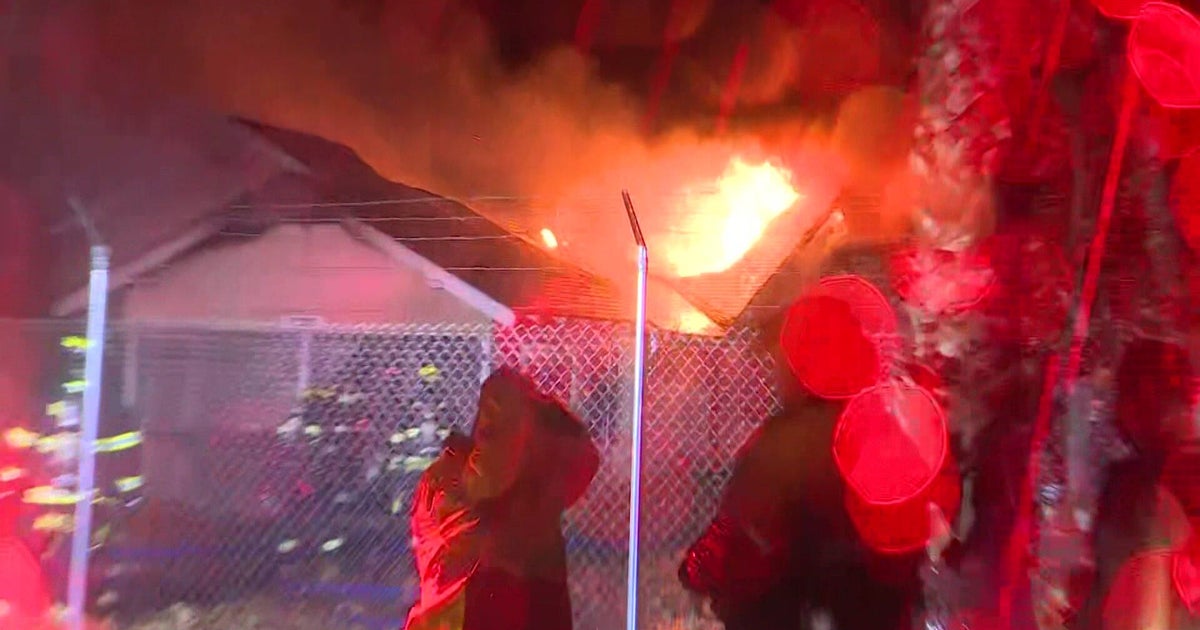
The Stanislaus Wildlife Care Center in Hughson, California is in the midst of crisis after a fire erupted on the morning of November 18, 2026, destroying the facility’s hospital building and claiming the lives of at least 40 resident animals. The tragedy has had an immediate effect on local animal rescue efforts and shaken the community of staff and volunteers dedicated to the rehabilitation of injured and orphaned wildlife.
According to statements attributed to fire officials and reported by the San Francisco Chronicle and CBS Sacramento, the blaze broke out early and quickly engulfed the primary indoor hospital, which housed the most vulnerable animals in treatment or long-term care. Many of those lost were permanent residents, unable to be released back into the wild due to their injuries or conditions. About 100 animals, cared for in exterior enclosures, survived and are now the focus of urgent rescue and transfer efforts.
Uncertain Cause, Complex Recovery
Investigators believe an electrical issue sparked the fire, though they have yet to determine whether it was related to downed power lines from recent storms or a fault within the building’s own wiring. The exact origin remains under active review, and officials have not released specifics beyond the initial indication of electrical involvement. The fire’s damage capacity extended beyond the loss of animals, destroying vital medical equipment, supplies, and the kitchen essential for food preparation.
The center, which serves as a lifeline for native wildlife in the Northern California region, is now struggling to assess the full scope of devastation. Rebuilding is certain to require considerable time and resources; while the organization is insured, staff have indicated that coverage may not account for the entire cost of reconstruction. The center has publicly appealed for donations and supplies, highlighting an ongoing need to support both its remaining charges and future patients.
A Regional Wildlife Recovery Network Mobilizes
Despite the tragedy, the staff at Stanislaus plan to keep their doors open to incoming wildlife to the extent possible. Animals in need of intensive medical care may be transferred to cooperating rehabilitation centers around the region until adequate facilities are restored in Hughson. It is still unclear when the center will fully reopen or how many animals were ultimately lost, as confirmations continue.
The event underscores the vulnerability of wildlife care infrastructure in the face of unforeseen disasters, particularly at a time when regional centers play a crucial role in the response to environmental challenges. Local supporters and broader wildlife networks are rallying to provide immediate relief—showing that, even amid great loss, the work of wildlife rehabilitation persists.