
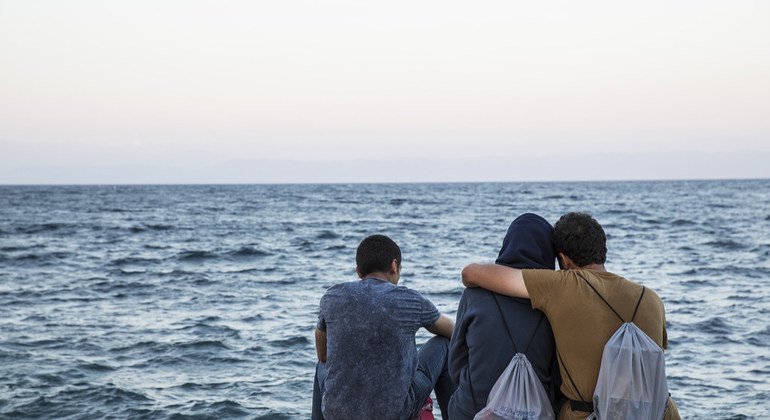
Two fatal weekend shipwrecks left at least 56 migrants dead off the coasts of Senegal and Greece, laying bare the mounting perils facing those who attempt dangerous maritime crossings in pursuit of better futures. The International Organization for Migration (IOM) confirmed the incidents Monday and urged urgent international cooperation to address the worsening crisis on the high seas.
On Friday, tragedy struck near Loumpoul on Senegal’s northwestern shores, where a boat carrying migrants capsized between Dakar and Saint-Louis. Senegalese authorities reported at least 34 fatalities and continued search operations, but with the number of missing unknown, the final death toll could rise. Only one survivor was rescued from the Atlantic’s waves, highlighting the often-fatal stakes for those whose journeys falter out of sight of land.
The Mediterranean proved equally unforgiving. South of the Greek island of Crete, two separate boats that had departed from eastern Libya ran into distress. In one case, Greek authorities rescued 28 Sudanese migrants and recovered eight bodies, with many more still unaccounted for. In the second, a cargo ship responded to a distress call, pulling 18 survivors from the water and recovering 14 bodies. Both incidents contribute to growing alarm over the safety of Mediterranean crossings, especially as more migrants embark from Libya towards mainland Europe—routes increasingly marked by gaps in search and rescue coverage.
The scope of peril extends far beyond individual incidents. IOM data shows that on the Western African Atlantic Route alone, at least 454 migrants have died or disappeared just since January—an estimate the agency deems conservative, given that many tragedies unfold far from shore and go unrecorded. The organization notes that as authorities crack down on established migration points, departures have shifted further south to The Gambia, Guinea, and Guinea-Bissau, increasing the duration and hazards of sea journeys, and rendering timely rescue more elusive.
The IOM placed blame in part on smuggling and trafficking networks, which profit from the desperation of would-be migrants, often charging high fees for passage on unseaworthy vessels. Officials stressed the need not only for intensified action against these criminal operations but also for practical humanitarian responses: improved coordination between countries for search and rescue missions, support for survivors and bereaved families, and—most critically—greater access to safe and legal migration pathways.
As search teams off Senegal continue looking for the missing, and families across continents await word, these latest disasters serve as a stark reminder: the risks of crossing the Atlantic and Mediterranean remain unforgivingly high, and the international community faces persistent questions about its resolve and capacity to safeguard those on the move.