
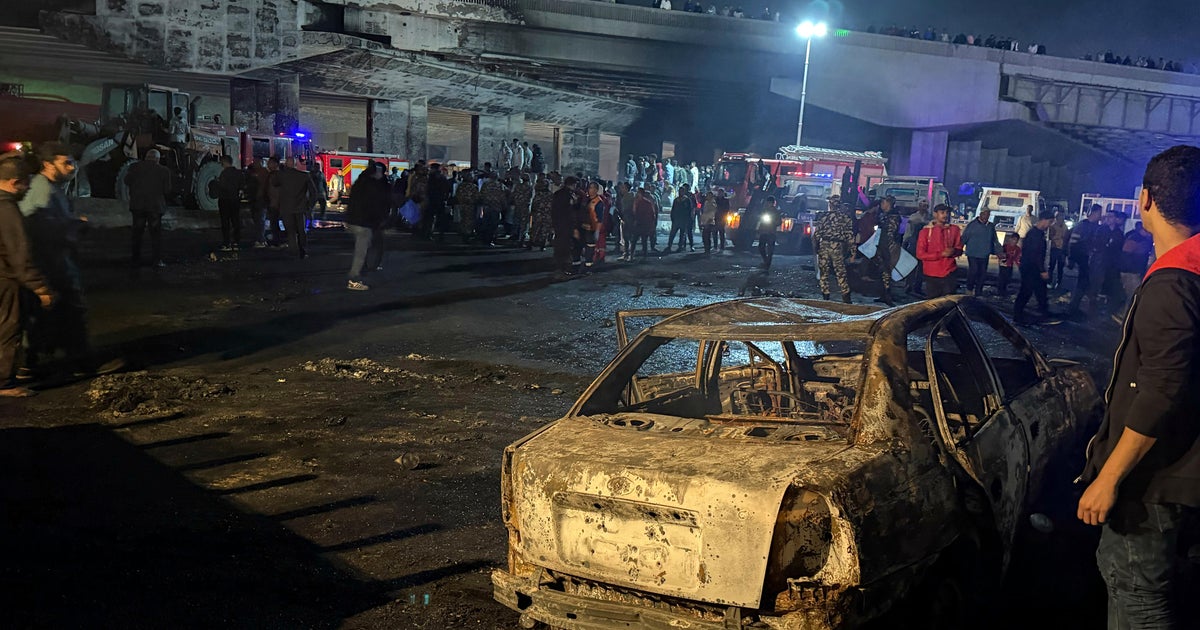
A devastating crash involving a fuel tanker on Cairo’s busy Ring Road has left at least 31 people dead and 21 injured, exposing once again the vulnerabilities of Egypt’s road infrastructure and public safety systems.
The incident occurred on November 25, 2026, at approximately 6:08 PM local time in the Al-Warraq district of the Giza Governorate. According to the authorities and multiple international news reports, a tanker carrying petroleum and gas cylinders overturned after reportedly trying to evade a high-voltage cable that had fallen onto the roadway. The resulting spill ignited a massive blaze, quickly engulfing at least two dozen cars and motorcycles, trapping many occupants.
Emergency services were rushed to the scene, with 39 ambulances dispatched to transport the injured to nearby hospitals. Medical teams reported that several victims suffered severe burns and smoke inhalation, leaving some in critical condition. DNA analysis is now underway to help identify the deceased, as announced by Egypt’s Public Prosecutor’s office. President Abdel-Fattah el-Sissi issued a public statement expressing his condolences to the families of those lost.
Preliminary investigations point to the fallen electrical cable as a likely trigger for the tragedy. However, authorities have said that the official probe is ongoing and that no definitive conclusions have been reached. The aftermath saw charred vehicles scattered across the Ring Road and thick black smoke billowing into the Cairo twilight, stark images that quickly circulated on social media and state broadcasters.
A Pattern of Tragedy
This latest disaster has reignited scrutiny over Egypt’s road safety record. While the country’s highways and ring roads are vital transport arteries, they are also notorious for frequent accidents attributed to speeding, poor maintenance, and lax enforcement of regulations. In 2025, road fatalities across Egypt reportedly approached 6,000, underscoring a pattern of tragedy often associated with heavy vehicle incidents and roadside hazards.
In the wake of the explosion, traffic experts and public advocates have renewed calls for systemic reform to Egypt’s traffic management and emergency preparedness, including modernized infrastructure, improved signage, and stricter enforcement of safety standards.
Ongoing Investigations and Public Response
Authorities are combing the scene and examining accounts from survivors and first responders as they try to piece together the precise timeline of events. Meanwhile, public discussions have turned toward government accountability and the urgent need to prevent similar catastrophes.
The incident on Giza’s Ring Road stands as one of the deadliest highway disasters in Egypt for years, its scale highlighting the risks posed by hazardous cargo and the critical importance of investment in safety measures. As the country mourns, the investigation’s findings are expected to shape Egypt’s next steps in addressing a long-standing public safety challenge.