
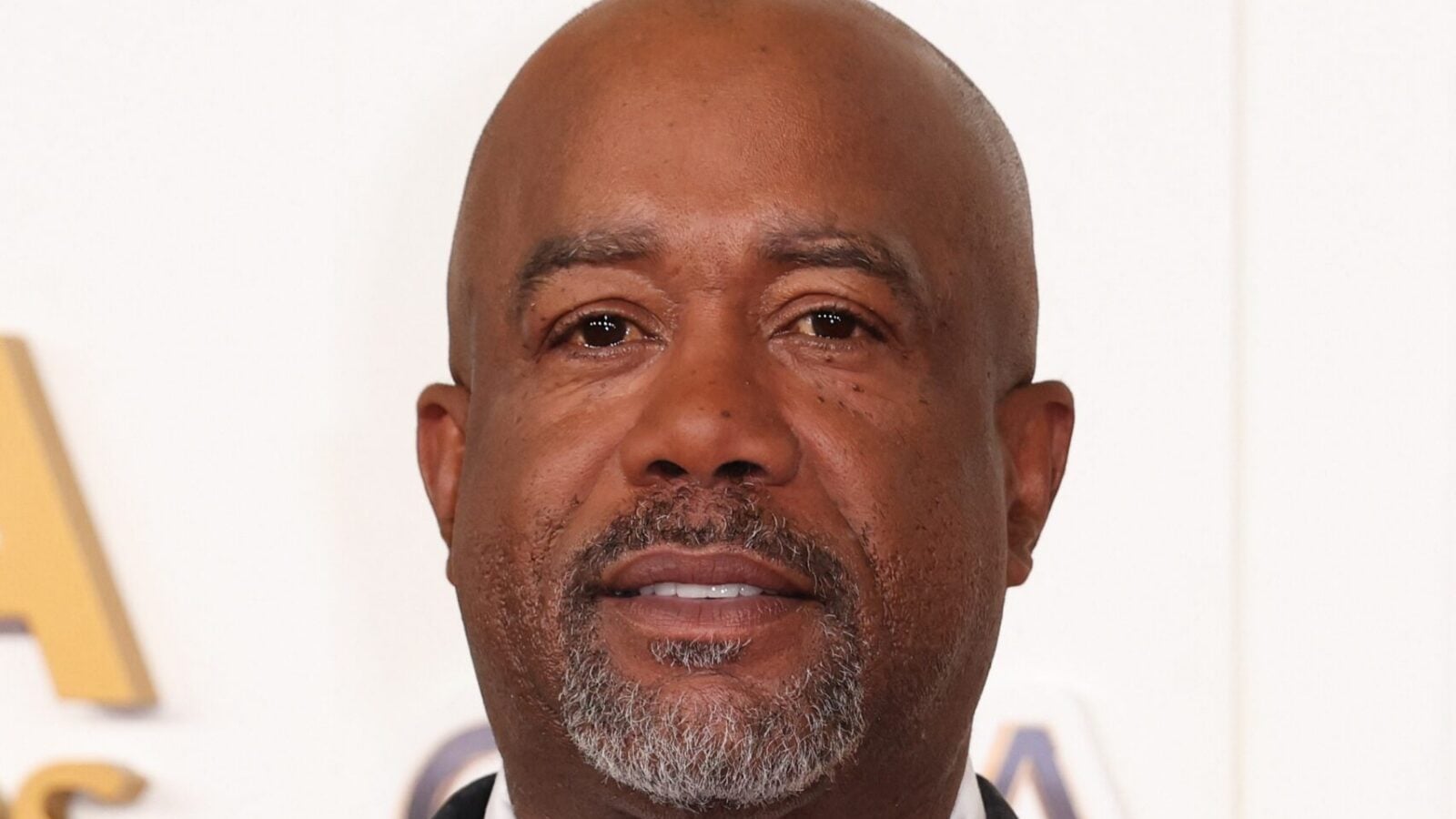
Darius Rucker, the Grammy-winning artist known for redefining boundaries in American music, has spoken candidly about deeply personal challenges he continues to face as a prominent Black country singer. Speaking in a November 24, 2026 episode of The Bobbycast recorded in Nashville, Rucker described “soul-crushing” backlash from some members of the Black community, a reaction he says blindsided him more than any resistance from the traditionally white-dominated country music audience.
In the interview, Rucker reflected on his journey from worldwide pop-rock stardom as the frontman of Hootie & the Blowfish to country music, recalling how he expected criticism from white audiences when he released his first country single in 2008. Instead, he was stunned to encounter skepticism and even criticism from Black fans. Rucker recounted instances where fellow Black Americans questioned his commitment to his roots for pursing country, relaying that some listeners told him directly or via social media that country music was not seen as belonging to their community.
Emphasizing the lasting emotional weight of these remarks, Rucker said, “It crushes your soul,” highlighting how such words from his own community sting in ways he had not predicted. He referenced a recent incident in which a Black Facebook follower commented on his racial identity, prompting Rucker to firmly remind them of his authenticity and lifelong connection to both his music and Black identity.
Rucker’s successful reinvention did not go unnoticed in Nashville. His debut country album not only topped the charts with “Don’t Think I Don’t Think About It” but earned industry accolades including a Grammy Award. In the years since, he has been celebrated for paving the way for a new generation of Black country artists. In the podcast discussion, Rucker pointed to figures such as Kane Brown and BRELAND, expressing satisfaction that his achievements have helped open the doors—though the path remains fraught with challenges for artists of color.
The interview has since sparked a wide conversation on social media and music forums. While some expressed surprise at the criticism Rucker continues to face, many have offered support and praised his resolve, underscoring the importance of representation and acceptance in country music’s evolving landscape. As the conversation swells online, users highlight the persistent need for broader acceptance and inclusivity within the genre—for artists and audiences alike.
Despite the obstacles, Rucker remains a tireless advocate for diversity and is actively performing and recording country music as of late November 2026. His willingness to address uncomfortable truths has focused new attention on how race and genre intersect in the music industry—a subject long simmering and now increasingly brought to the fore.
The broader debate about racial belonging within country music is far from settled. Rucker’s experience, delivered in his own words, continues to resonate, prompting renewed calls for understanding and support for Black artists who dare to redraw boundaries in genres where they historically have not been widely embraced.