
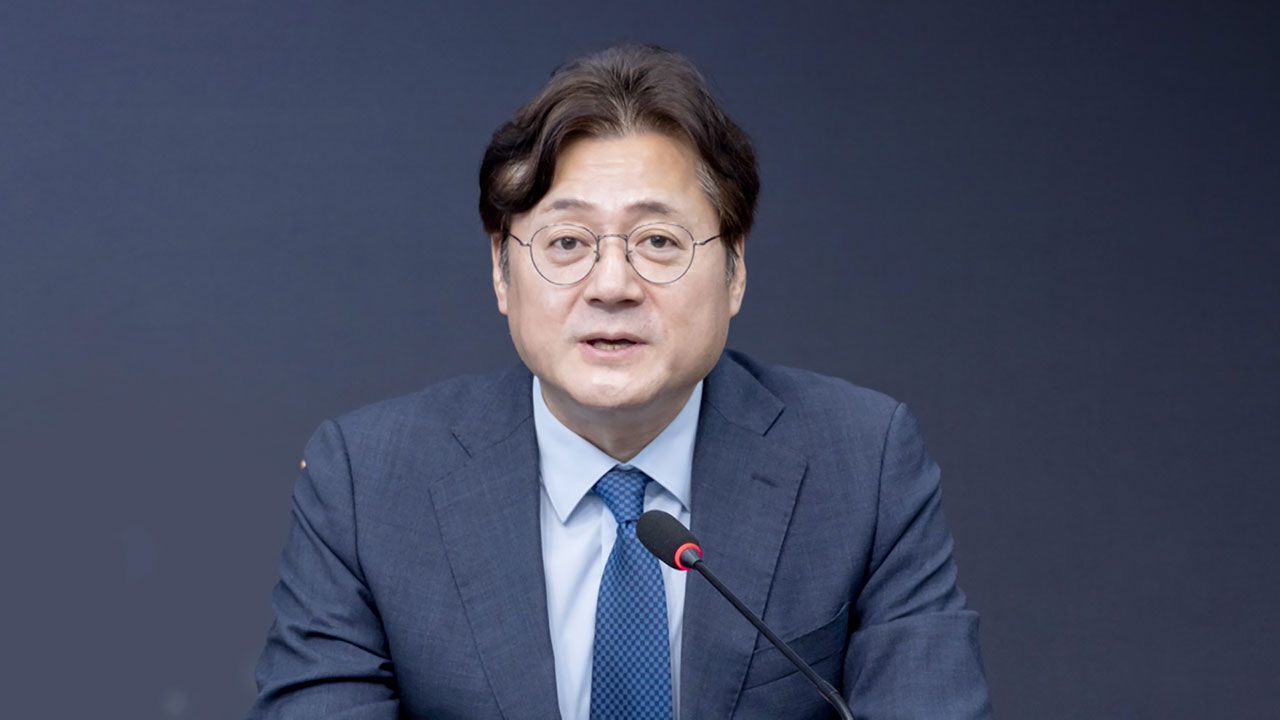
The judicial handling of former National Assembly member Hong Ik-pyo’s case has reignited debate in South Korea about how effectively conflict-of-interest rules are enforced for government officials and their families. In a precedent-setting episode, a court dismissed Hong’s claims that his spouse’s sizable stock portfolio in an interior architecture company bore no connection to his role in the Assembly’s Strategy and Finance Committee—even as allegations emerged that the company won lucrative public contracts from an agency under the committee’s purview.
Disputed Stock Holdings and Blind Trust Rules
The controversy originated in July 2020 when South Korea’s Blind Trust Review Committee ruled that the 10,000 shares owned by Hong’s spouse—reportedly worth 2.8 billion won—posed a work-related risk, demanding placement into a blind trust under conflict-of-interest protocols. Hong responded by filing a lawsuit, arguing the requirement was unjustified and violated constitutional protections, chiefly because he asserted the stocks and his official influence were unrelated.
Court Rebuffs Lawmaker’s Suit
That legal challenge quickly faltered. In November 2020, the court rejected Hong’s plea for a suspension of the blind trust order, underscoring that allowing the stocks to remain outside the system would undermine its core integrity. The judiciary decisively found no procedural fault in the committee’s assessment of work-related ties, emphasizing the law’s preventive logic: averting even the perception of conflicting interests.
Changing the Parliamentary Landscape
With his legal avenues closed, Hong dropped the lawsuit. Instead of transferring the contentious shares to a blind trust, he secured a move to a different parliamentary committee—sidestepping the most direct conflict by changing his official portfolio. During a subsequent period of parliamentary audit, he publicly advocated for expanding disclosure requirements for lawmakers’ families, sponsoring reforms that would compel greater transparency among public officials more broadly.
Persistent Scrutiny and Unanswered Questions
Nevertheless, scrutiny persisted as media investigations confirmed the company linked to Hong’s spouse had secured multiple construction projects through the Public Procurement Service—a body audited by Hong’s former committee. Critics argued that even the potential for such intersections between legislative influence and personal financial interests undermines public trust and calls into question the effectiveness of current safeguards. Hong’s team maintained that their legal efforts were intended to clarify the absence of any formal conflict, and cited the committee transfer as an appropriate response to the court’s decision.
Broader Implications Remain
While the legal matter is now closed, as of November 27, 2026, debate lingers about whether South Korea’s existing frameworks for managing conflicts of interest are truly adequate. The episode has fueled calls for further reforms to strengthen transparency, monitor family-held assets, and ensure that all public officials remain above reproach—leaving an unresolved legacy in the wake of Hong’s political tenure.