
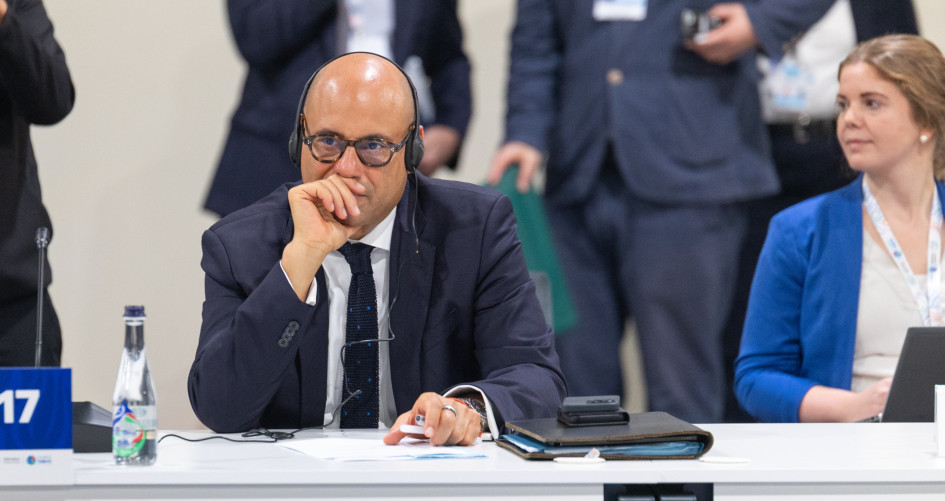
As the 31st United Nations Climate Change Conference (COP31) enters its final days in Antalya, Türkiye, methods to rapidly cut planet-warming emissions have taken center stage — with methane reduction and carbon capture emerging as headline strategies. High-ranking officials, including UN Climate Change Executive Secretary Simon Stiell, have directly called on nations to prioritize methane cuts, describing these efforts as immediate, practical, and economically beneficial steps to check global heating.
“In a world of suffocating disasters, action on methane offers breathing space. It is one of the fastest, cheapest and most effective ways to check global heating in the near-term while boosting economies, harvests, and health,” Stiell told delegates at a leaders-level summit focused on non-CO₂ greenhouse gases, according to a speech transcript published by the UNFCCC. The remarks followed a year marked by record-breaking extreme weather events and rising inflation attributed in part to climate-linked disruptions.
Stiell highlighted that the bulk of methane emissions stem from the oil and gas sector, waste management, and agriculture. Existing technologies, he pointed out, could eliminate up to 70% of emissions in oil and gas and up to 75% in the solid waste sector at low or even negative cost — in some cases, capturing methane is profitable because selling the recovered gas outweighs the required investment. Yet, only a fraction of global climate finance targets these so-called “super pollutants.” In 2023, just 0.5% of emissions reduction finance was earmarked for methane and related gases.
The summit’s Global Climate Action Agenda prioritizes accelerating practical measures, such as deploying proven methane capture technologies. Initiatives like the Super Pollutant Country Action Accelerator are among the support programs championed at COP31 to bridge the gap between national plans and real-world implementation.
“The business case is absolutely clear,” said Stiell, citing lost energy from routine gas flaring and the potential $15 in economic gains for every dollar invested in super-pollutant solutions, according to findings by the UN Environment Programme and the Climate and Clean Air Coalition.
However, while the scientific and economic rationale for urgent methane and carbon capture efforts is widely recognized, negotiations over concrete pathways and finance mechanisms remain unsettled. Many countries’ nationally determined contributions (NDCs) now include some provisions for methane, but much relies on transforming policy intent into effective action with robust monitoring and market support. The new UN carbon market mechanism under the Paris Agreement, which has begun rewarding projects that abate landfill methane, exemplifies such policy innovation.
As COP31 delegates prepare to finalize agreements, the focus remains firmly on translating high-level commitments into tangible reductions in both methane and carbon dioxide. The next days will clarify just how far the world’s governments are willing to move on these contentious — yet critical — pillars of climate strategy.