
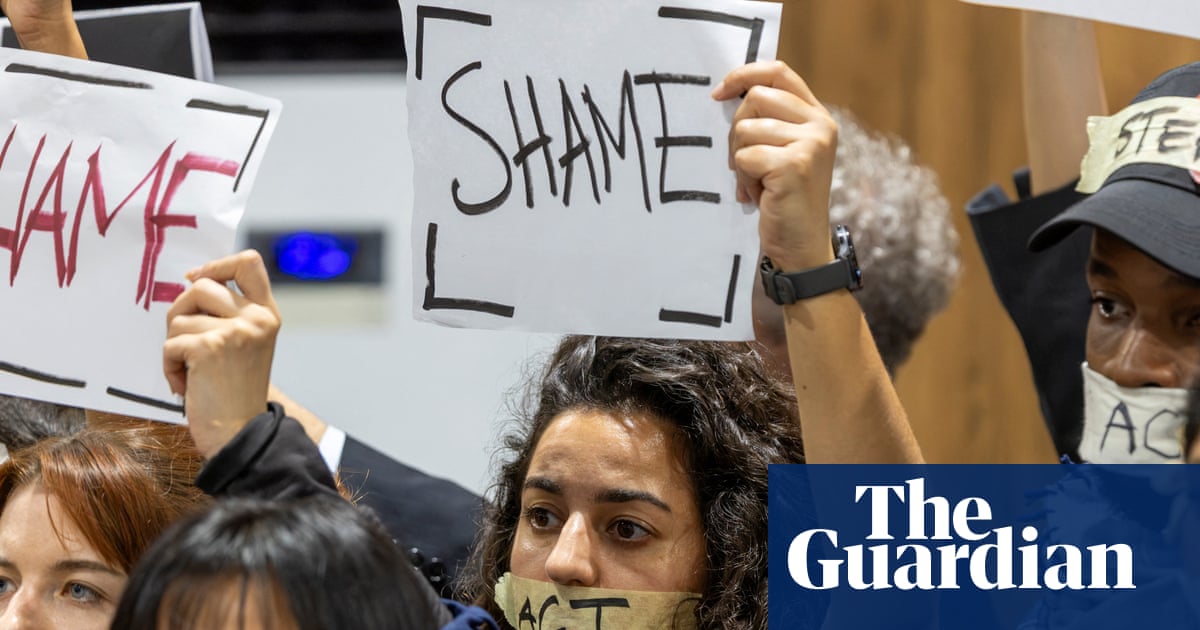
Intense negotiations at the United Nations COP31 climate conference in Antalya, Turkey have stretched past the scheduled end date, as deep divisions emerged over whether the final agreement should commit nations to phasing out fossil fuels. With the world’s eyes on the summit, diplomats from almost 200 countries faced mounting criticism after the latest draft of the agreement failed to mention any explicit fossil fuel phase-out—despite urgent demands from vulnerable nations and environmental coalitions.
The omission ignited frustration among climate activists and several country delegations, who view the fossil fuel language as essential for any credible path to curbing rapidly worsening global warming. The controversy left the summit deadlocked and threw into sharp focus the difficulty of translating past pledges—including the 2023 COP commitment to “transition away” from fossil fuels—into firm, actionable agreements. The European Union warned that COP31 risked devolving into a “fossil summit.” African ministers echoed these concerns and directly called out the lack of progress both on adaptation funding and fossil commitments. (The Guardian, Al Jazeera, Le Monde)
Saudi Arabia was publicly identified among the countries resisting the inclusion of a fossil fuel phase-out, according to details from multiple sources. While the precise dynamics behind closed doors remain unclear, competing reports suggest that objections from several countries, not just Saudi Arabia, helped stall the process. The Guardian noted Saudi Arabia’s leading role, but there is no full consensus on whether their opposition alone accounts for the deadlock.
The most recent draft instead put renewed emphasis on expanding carbon capture and storage technologies, despite widespread doubts among experts about their effectiveness at the necessary scale. Meanwhile, the draft increase for climate finance—a proposal to triple a fund compensating vulnerable nations—was criticized for its lack of specificity, with frontline countries like Panama warning they would formally object unless the agreement address financing, oil production, and missed environmental milestones.
The drama in the conference halls played out against a stark scientific backdrop: world climate bodies have warned that the 1.5°C warming target could soon be breached, following a year of deadly climate disasters that underscored the stakes.
As negotiators extended talks into overtime on November 20, no resolution on the fossil fuel language or climate finance disputes had been reached. The summit’s closing agreement remains in limbo, with global attention now focused on whether Antalya produces meaningful commitments or punctuates deepening discord in international climate strategy.