
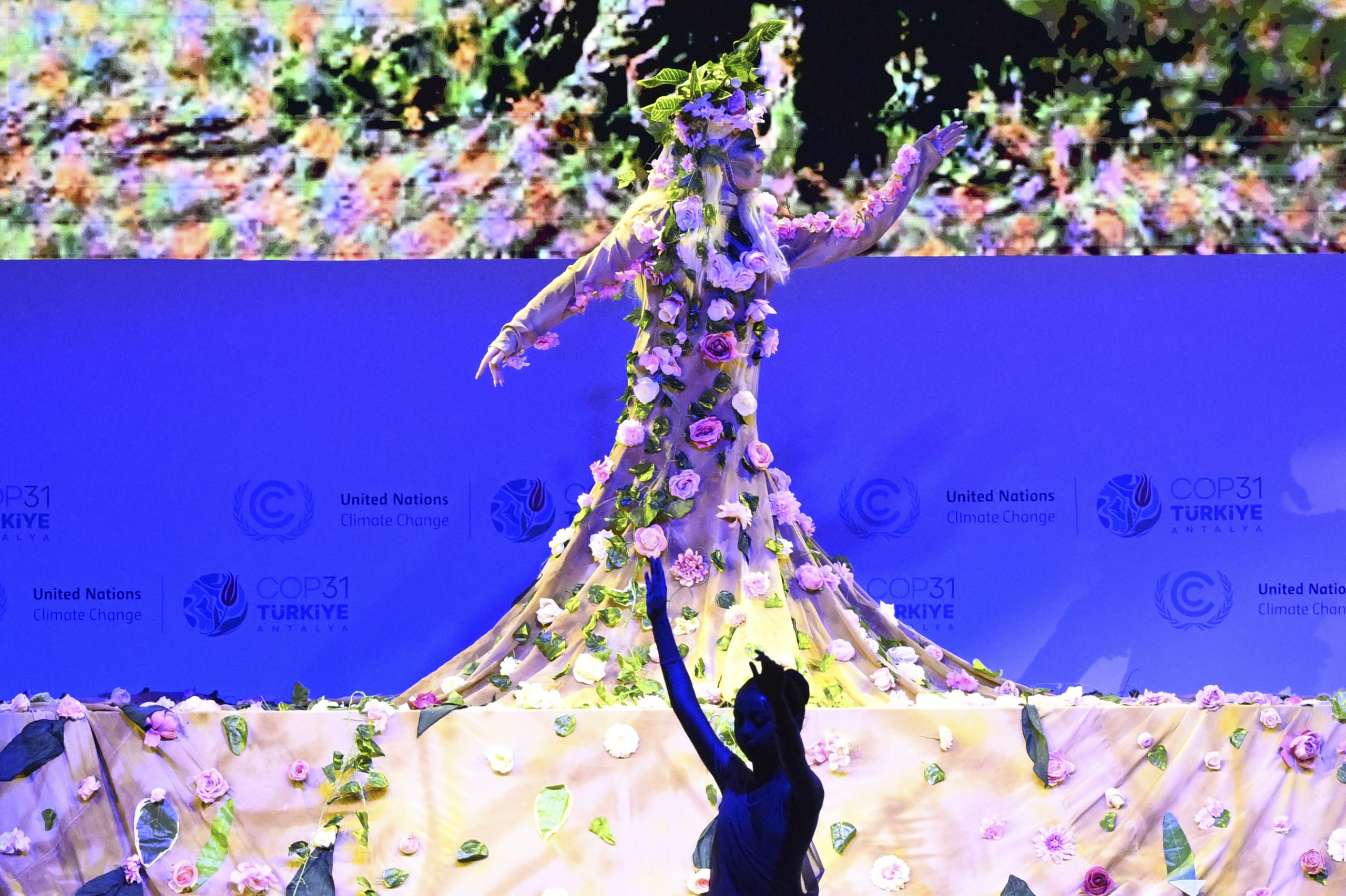
The COP31 climate summit in Antalya, Turkey opened on November 11, 2026, with world leaders and climate officials leveling grave warnings about humanity’s trajectory amid record-shattering warming and persistent failures to unite on decisive policy. Despite the urgency, the absence of top emitters and deepening divides over fossil fuel reduction cloud the event’s prospects, echoing historical stalemates.
At the high-level opening, UN Secretary-General António Guterres pressed delegates to “tell the truth” about escalating climate risks. “Our planet is heating up. The clock is winding down. It’s make or bake time,” Guterres declared, urging that adaptation—and vastly greater financial support—has become a matter of survival for millions already facing floods, droughts, and rising seas. (Official remarks, WMO; LA Times, Nov 11, 2026).
Yet momentum wavered from the outset: the heads of government from the United States, China, and India—together responsible for over half of annual global CO₂ emissions—did not attend the summit, sparking skepticism among smaller nations about the seriousness of global resolve (LA Times, Nov 11, 2026). Their absence hampered prospects for breakthrough agreements, particularly on the most controversial topic: how and whether to phase out fossil fuels—a measure scientists and many countries argue is indispensable for meeting climate targets.
As negotiations continued, deep resistance from major oil producers, including Saudi Arabia and Russia, blocked consensus language in the draft agreement referencing the phasing out of coal, oil, and gas (TIME, Nov 23, 2026). Meanwhile, mounting calls went out from the UN’s leaders and civil society for a windfall profits tax on fossil fuel companies, with Secretary-General Guterres criticizing the “grotesque contrast” between skyrocketing oil profits and minimal funding for climate loss-and-damage assistance to vulnerable nations. The debate underscored frustration that financial commitments remain far behind the scale of urgent need (Le Monde, Nov 18, 2026).
Cutting through the negotiations, the World Meteorological Organization (WMO) delivered new data with sobering clarity: the Earth’s energy imbalance—the difference between incoming solar energy and outgoing heat—has reached its highest recorded value since 1960, fueling more frequent and intense climate extremes. The planet now absorbs far more energy than it emits, accelerating sea level rise, melting ice, and shrinking freshwater reserves. From January to September 2026, global average temperature hovered 1.47°C above pre-industrial levels, a figure expected to rise as El Niño strengthens further warming (WMO official State of Climate Update, 2026).
While the summit has seen reaffirmations of the need for investment in climate observation, early warning systems, and support for the most affected, divisions over the pace and scale of fossil fuel transition remain unresolved. The stalemate calls to mind the 2009 Copenhagen summit, marked by high expectations but an eventual failure to reach binding consensus (TIME, Nov 23, 2026).
As COP31 advances, the lack of agreement on phasing out fossil fuels and the absence of leadership from major emitters highlight the deep challenges facing global climate governance. Without breakthrough commitments, observers warn, the summit may stand as another missed opportunity in the world’s urgent climate struggle.