
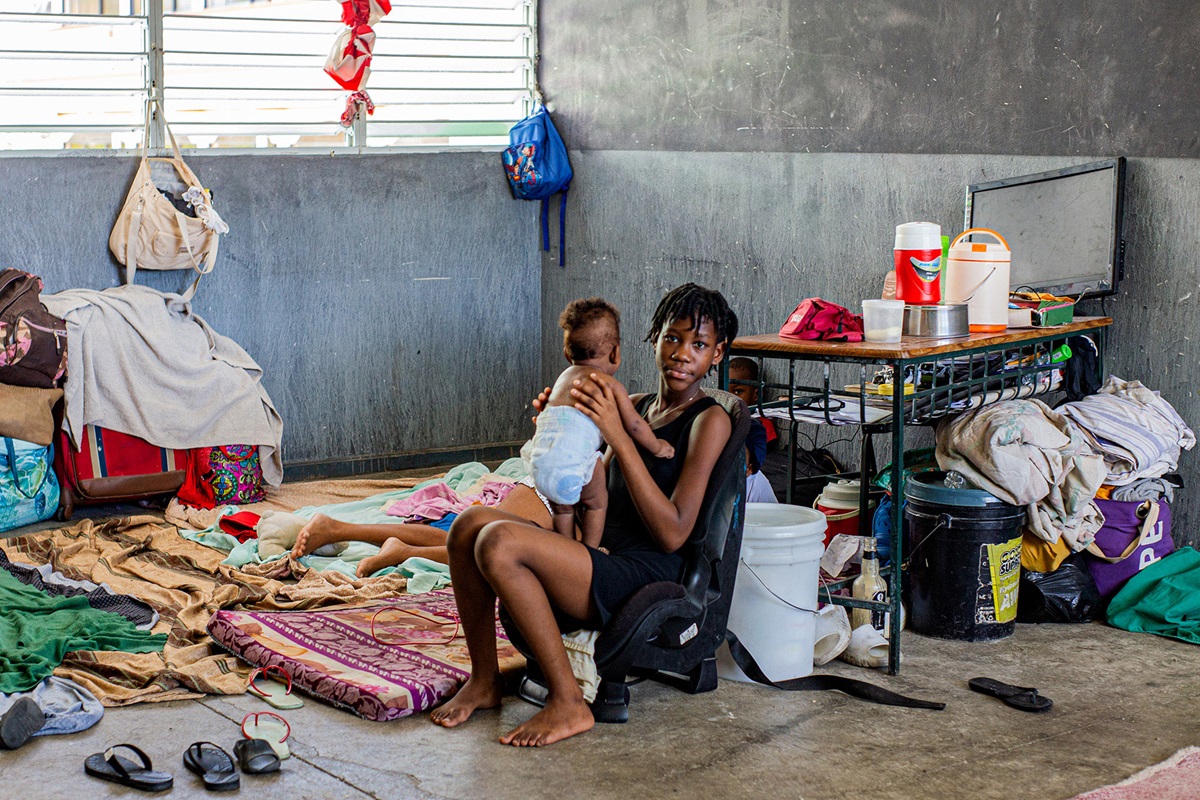
In the shadow of escalating violence and civic breakdown, Haiti was jolted by the return of cholera in October 2022, ending three years without a single case. The renewed outbreak—confirmed first in the capital’s Ouest department—spread with alarming speed, reigniting fears in a country where infectious disease and instability often reinforce one another.
Within just two months, the Haiti Ministry of Public Health and Population registered nearly 13,700 suspected cholera cases across all ten departments, with the majority erupting in neighborhoods and camps most exposed to disrupted services. By early December 2022, there were 283 reported deaths, most from communities with little or no access to functional health centers. Children aged one to four emerged as the most at-risk age group, composing 19% of all confirmed cases.
Health officials and the World Health Organization (WHO) attribute the rapid spread to factors compounding Haiti’s wider humanitarian emergency: gang violence has paralyzed transport and forced mass displacement, left health facilities shuttered, and made reliable water and sanitation a luxury. In Port-au-Prince, for example, a prison outbreak resulted in 368 suspected cases and 14 deaths, highlighting the vulnerabilities of crowded, underserved areas where cholera can become deadly within hours.
Fragile Progress, Undercut by Conflict
Haiti’s return to crisis came after major progress in eradicating cholera: from October 2010 to early 2019, the nation endured more than 820,000 cases and nearly 10,000 deaths, but reported no cases during the three years before 2022. That fragile success was undone as violence and economic decay broke down critical systems. As of 2026—according to a WHO emergency appeal—at least 4.9 million Haitians now require health assistance, as medical services, surveillance, and supply chains are threatened by insecurity and natural disaster.
WHO and its partners responded by mobilizing resources on several fronts: regional vaccination campaigns, supplies of essential medicines, and perhaps most critically, the deployment of 1,200 community health workers known as Agents de Santé Communautaire Polyvalents (ASCPs). These local workers conduct door-to-door education, refer patients, and monitor community transmission, providing a vital link in areas cut off from traditional care. According to WHO reports, ASCPs have reached more than 100,000 households, detected over 10,000 suspected cases, and helped refer more than 5,000 patients to appropriate treatment centers.
Yet the scope of need continually outpaces resources. Haiti’s Ouest department saw cases plateau after initial surges, thanks in part to the ASCP initiative; meanwhile, new outbreaks flared in the Centre, Nord-Ouest, and Artibonite departments. The overwhelming majority of deaths in the wider region—nearly 90% in Africa—occur before patients can reach any medical facility, underscoring the life-or-death importance of basic sanitation, clean water, and local health access.
The Cost of Unmet Needs
Progress has stalled in the face of persistent obstacles. Humanitarian agencies cite insufficient funding—less than half of Haiti’s $880 million response plan is covered by donors—as a major barrier to reaching communities hardest hit by violence and food insecurity. Operations are routinely hampered by roadblocks, threats to aid workers, and destroyed infrastructure.
Officials warn that larger patterns threaten to worsen the crisis: as conflict continues and climate volatility (like El Niño-driven drought or storms) disrupts water supplies, communities can become trapped in cycles where cholera and other infectious diseases flourish.
Still, the international health community remains guardedly optimistic. WHO says cholera could be eliminated as a public health threat by 2030, using basic interventions already proven to work—if peace and investment allow them to reach every community. But in Haiti, the question remains: can the beleaguered health system, battered by insecurity and underfunding, sustain these gains before new shocks set it back once again?