
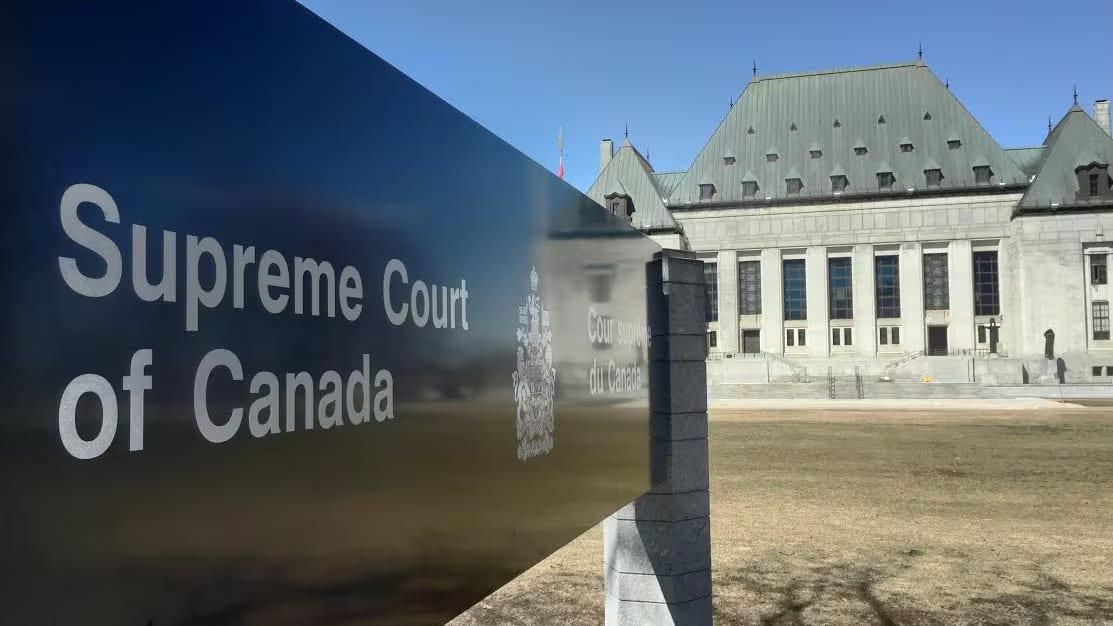
The Supreme Court of Canada is poised to hand down a decision on Quebec’s controversial Bill 21, thrusting the country into a renewed debate over the balance between state secularism, individual religious freedoms, and provincial autonomy. The ruling, scheduled for November 27, could have far-reaching consequences for constitutional rights and the use of the Charter’s notwithstanding clause in Canada.
Bill 21 and the Roots of Contention
Enacted by Quebec’s National Assembly in June 2019, Bill 21 bars certain public-sector employees—such as teachers, police officers, and judges—from wearing religious symbols while at work. The government, led by the Coalition Avenir Québec, framed the legislation as a necessary measure to preserve the province’s secular character. Critics, meanwhile, have argued the law discriminates against minorities, particularly those visibly expressing faith through items like hijabs, turbans, or kippahs.
To insulate the law from constitutional challenges, Quebec’s legislature invoked Section 33 of the Canadian Charter of Rights and Freedoms: the notwithstanding clause. This move prevents courts from invalidating Bill 21 on grounds of violating certain Charter rights, igniting heated national discussion about whether provinces should have such override powers in areas touching fundamental freedoms.
The Supreme Court’s Role and Legal Battle
Legal opposition quickly mobilized after Bill 21’s adoption. Organizations including the National Council of Canadian Muslims and the Canadian Civil Liberties Association filed challenges, asserting that Bill 21 violates freedoms of religion and expression. Lower court rulings have so far been constrained by the law’s use of the notwithstanding clause, propelling the matter to Canada’s highest court after extensive hearings concluded earlier this year.
The upcoming Supreme Court decision is expected to clarify how and when legislatures may shield laws from Charter scrutiny—and whether there are constitutional boundaries that even the notwithstanding clause cannot cross. Observers nationwide are watching carefully for a ruling that could shape not only Quebec’s secularism policy but the interpretation of fundamental rights under Canadian law.
Implications for Politics and National Unity
A ruling upholding the law could reinforce Quebec’s right to legislate on secularism and encourage further use of the notwithstanding clause by provincial governments. If the court finds limits to such powers, it may bolster protections for religious minorities and set new precedents in constitutional law.
The stakes also include questions of national unity. The Bill 21 debate has underscored the enduring tensions between Quebec and the rest of Canada, especially over the province’s distinctive approach to identity and secularism. Political leaders have issued divergent statements, with some emphasizing provincial jurisdiction and others warning of widespread consequences for human rights protection.
What Comes Next
The court’s judgment, to be released in Ottawa, is expected to prompt immediate responses from governments, advocacy organizations, and communities affected by the law. Bill 21 has been the subject of ongoing protest and debate, signaling that the controversy will likely persist, whatever the outcome. For many Canadians, the ruling will be a defining moment for the country’s evolving understanding of secularism, multiculturalism, and the reach of constitutional rights.