
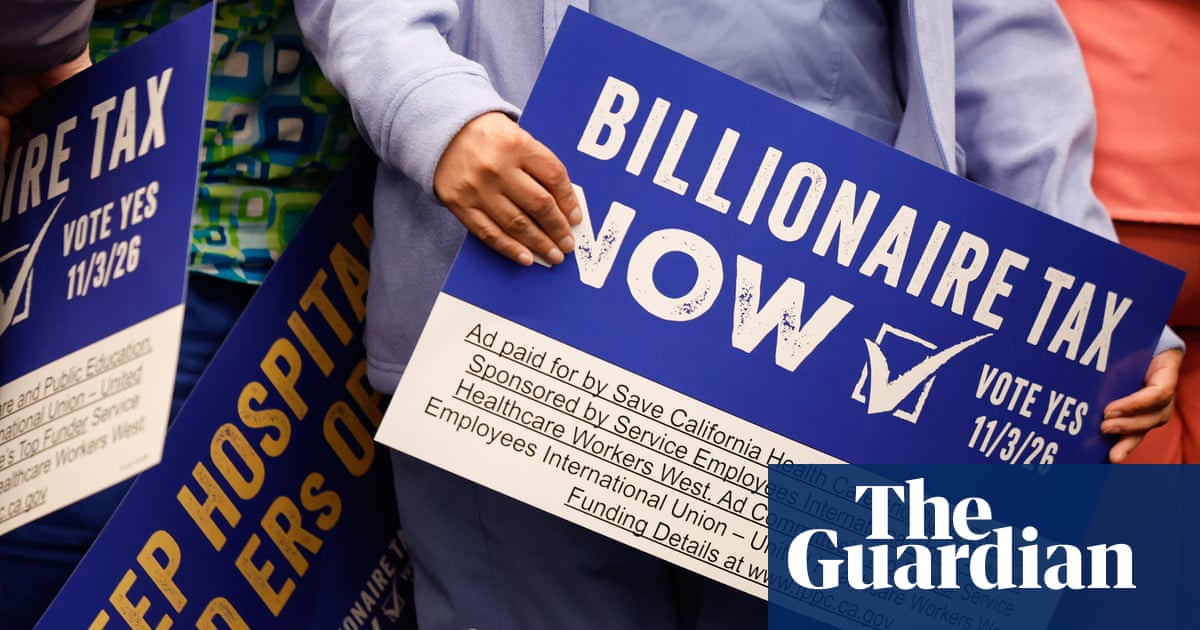
Californians have narrowly voted down Proposition 40, a high-profile ballot initiative that sought to impose a one-time 5% tax on state residents with a net worth above $1 billion. The measure, which appeared on the November 3, 2026 ballot, was defeated with 52.1% voting against and 47.9% in favor, out of more than 13 million ballots cast, according to state election results (source: en.wikipedia.org; The Guardian, Nov. 2026).
Proposed and championed by SEIU United Healthcare Workers West (SEIU-UHW), the billionaire tax was conceived as a means to generate funding for California’s state healthcare programs, food assistance, and public education. Its rejection came despite an election season that witnessed major progressive victories at the national level (source: The Washington Post, Nov. 2026). SEIU-UHW signaled after the vote that it intends to revisit the proposal in 2028 if Sacramento fails to address ongoing healthcare funding issues.
High-Spending Opposition and Stark Ideological Divide
The campaign over Proposition 40 was California’s costliest ballot fight in years. Opposition forces, backed by an array of technology billionaires and Democratic Governor Gavin Newsom, spent over $400 million to defeat the measure—a figure dwarfed by the approximately $11.6 million spent by SEIU-UHW and its supporters. Opponents argued that taxing billionaires would prompt them to leave the state, risking a broader erosion of California’s tax base and jobs. Supporters countered that the proposed tax targeted only the wealthiest residents and was essential for bolstering overburdened social programs (source: The Guardian).
This debate unfolded amid broader questions about California’s economic trajectory and the risks posed by policy efforts to tax ultra-wealthy residents. Similar wealth tax proposals have surfaced and failed in prior years, but Proposition 40’s higher profile and timing—set alongside national economic anxiety and debates about wealth inequality—amplified the stakes.
Voters Approve New Limits on Wealth Taxes
The election’s outcome was further complicated by companion ballot measures. Proposition 41, which would have negated Proposition 40 had both passed, was also rejected by voters. However, Proposition 42—a separate initiative designed to prohibit future state taxes on financial assets—was narrowly approved. Analysts see Proposition 42’s passage as a new hurdle for any prospective California wealth taxes, creating additional legal and political challenges for future efforts (source: The Washington Post, The Guardian).
The long-term implications of the Proposition 40 defeat for California’s economy and public services remain uncertain. While immediate tax changes have been averted, the state’s persistent budget pressures and questions about public health funding continue to loom large. Union sponsors and progressive advocates have indicated that the fight is far from over, foreshadowing further policy showdowns in the coming years.