
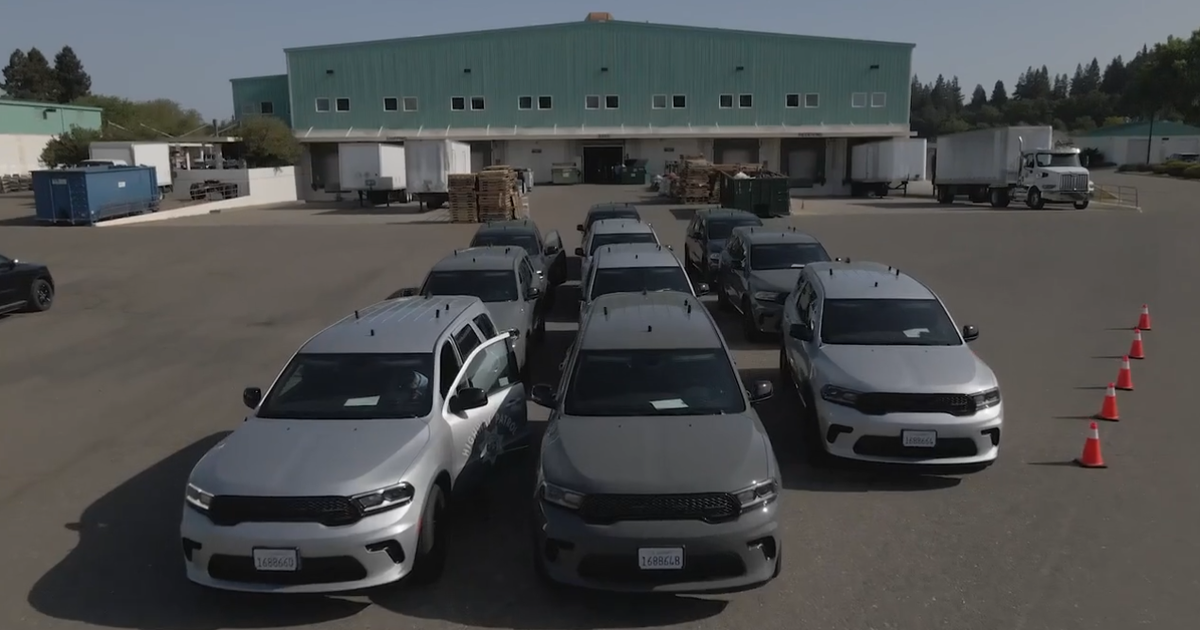
In May 2025, the California Highway Patrol (CHP) took the unusual step of deploying a fleet of low-profile Dodge Durango patrol vehicles across the state. Designed to blend into regular traffic while still bearing discreet official markings, these specially marked patrol vehicles (SMPVs) are intended to curb a rise in so-called “video game-styled” driving behaviors—including excessive speeding and aggressive lane changes—on the state’s highways.
An Innovative Enforcement Tactic
The CHP’s new patrol cars are equipped with high-performance police interceptor packages, but what sets them apart is their subtle appearance. Matching subdued colors and minimal markings with the silhouette of standard civilian SUVs, these SMPVs make it harder for reckless drivers to spot law enforcement in advance. According to interviews with CHP officials cited by regional media outlets, officers using these vehicles can observe traffic violations without attracting undue attention, improving their ability to intervene in dangerous situations.
Initial deployment began in early May 2025, with the first 25 Dodge Durangos rolled out in regions across California. The plan quickly scaled, aiming for a total of 100 vehicles operational by June. By quietly integrating with other vehicles on the road, the SMPVs avert the tendency for reckless drivers to alter their behavior only in the visible presence of law enforcement.
Public Reception and Road Safety Goals
Coverage from CBS Sacramento and FOX 11 Los Angeles brought public attention to the initiative, focusing on the potential for these low-profile vehicles to restore calm to stretches of highway prone to excessive speeding and dangerous maneuvers. The CHP stated that this move was in response to a documented increase in hazardous driving trends, some of which have led to high-speed crashes. The agency believes that the new patrol tactic will have a deterrent effect, leading to a measurable reduction in the number of crashes and traffic incidents tied to reckless driving.
CHP has indicated that the effectiveness of the SMPVs will be monitored closely using incident data. Fleet deployment strategies remain flexible, with locations and coverage patterns adjusted to target shifting hotspots for severe infractions. Though exact results from the program have not been published, media and CHP reports suggest the vehicles are now a fixture in daily traffic enforcement duty as of late 2026.
Part of a Broader Trend
California’s approach mirrors a nationwide movement among law enforcement agencies to modernize methods for intercepting dangerous driving. SMPVs offer the promise of blending vigilance with deterrence, supplementing traditional marked cruisers with vehicles designed for covert observation. While some civil liberties advocates note the need for transparency in all forms of policing, the CHP asserts the initiative’s purpose remains singular: keeping California’s highways safer for all motorists.