
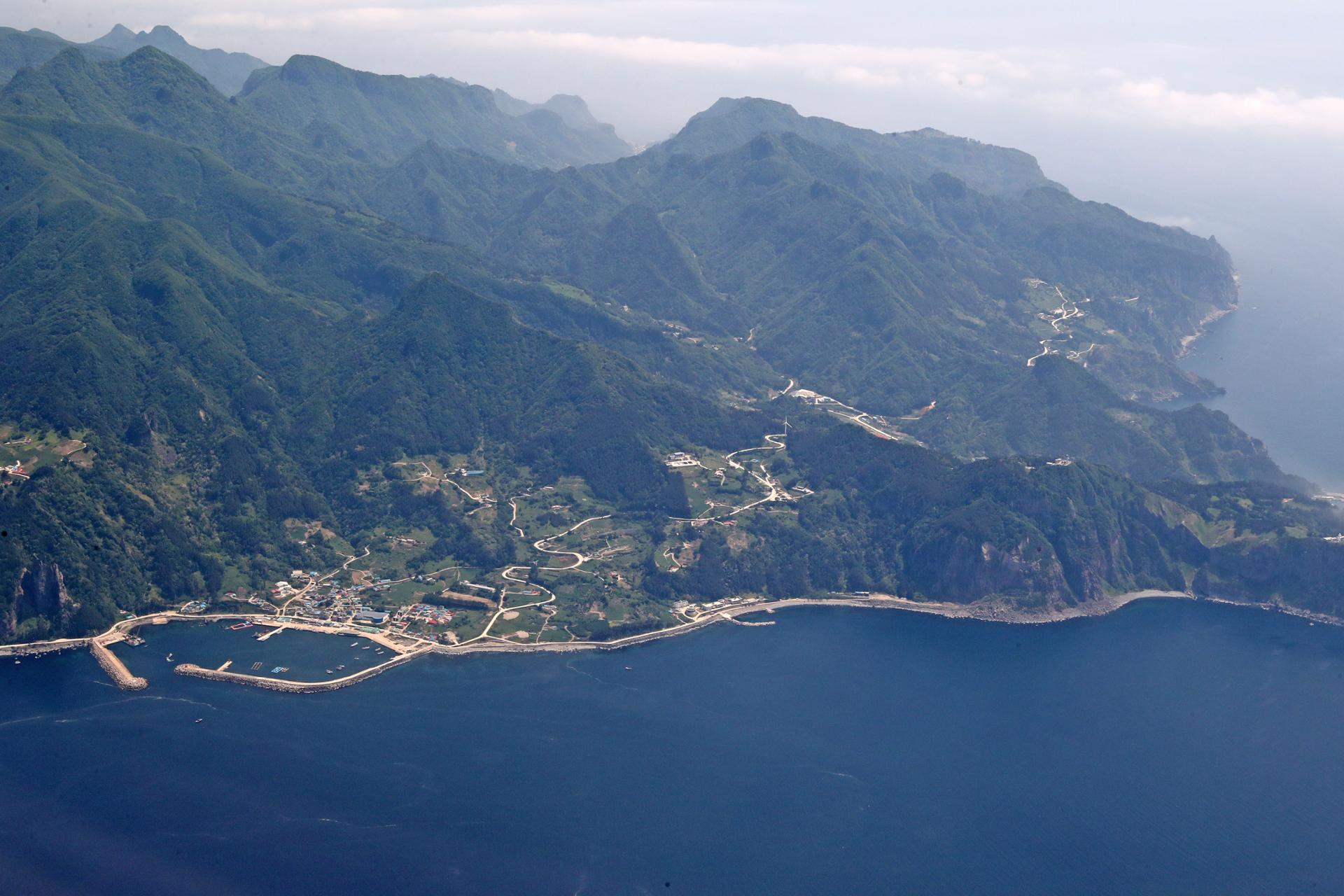
An early morning civil defense alert rattled residents of Ulleung County in South Korea’s North Gyeongsang Province on November 24, 2026—only to be swiftly lifted once officials determined that an unidentified aircraft had left the vicinity without breaching national airspace.
At approximately 7:52 a.m. KST, the Ministry of the Interior and Safety sent emergency messages urging locals to seek shelter in underground facilities or sturdy buildings. The message’s urgency echoed recent regional tensions and past missile alerts, immediately raising anxiety in this remote island community (news.sbs.co.kr).
Within five minutes, authorities lifted the warning after confirming that the aircraft—whose origin remains disputed between government branches—had exited the area. After initial identification by the ministry as Russian, provincial officials speculated it was “presumed North Korean,” leading to brief confusion among the public and the media (khan.co.kr; biz.chosun.com).
According to the Ministry, the plane did not violate South Korean territorial airspace—a point later echoed by military authorities, who had scrambled fighter jets in response. The military’s rapid mobilization and subsequent clarification helped to contain the incident, and no evacuations or injuries were reported (apnews.com).
The incident highlights both the persistent volatility in airspace monitoring near the Korean Peninsula and the critical importance of public communication during such threats. This is especially acute in Ulleung County, which, in November 2022, experienced air raid sirens following North Korean missile launches—reminders of enduring security sensitivities in the region.
For now, authorities have resolved the situation, acknowledging confusion and confirming no breach or immediate danger. The precise identity and origin of the aircraft, however, remain unconfirmed, illustrating the complexity of rapidly evolving security assessments.