
The city of Milwaukee erupted in celebration after the Brewers clinched their maiden World Series championship on October 28, 2026. The team’s triumph over the Tampa Bay Rays—marking the end of a 44-year title drought—sent shockwaves through the city, culminating in a victory parade and rally on October 30 that drew an estimated 750,000 fans to the downtown streets.
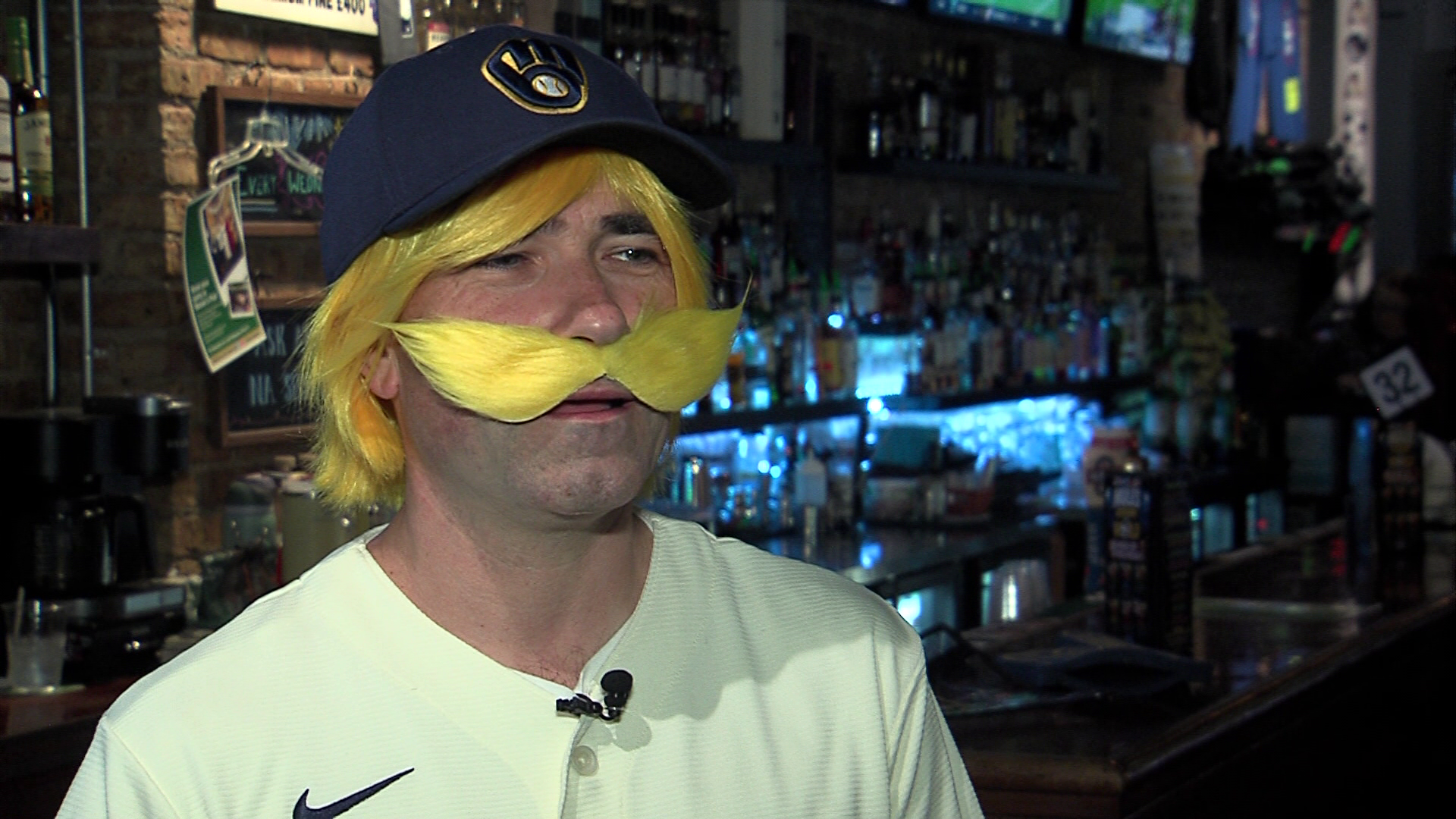
While Brewers players soaked up the city’s adulation, local businesses found themselves at the center of an economic whirlwind. Bars, restaurants, and hotels reported extraordinary spikes in patronage throughout the Series. “You’ll never reproduce that,” said Anthony Luchini, owner of Kelly’s Bleachers, a popular bar that served nearly 1,400 customers during each of Milwaukee’s World Series home games—about triple their usual game-day crowd. The venue’s income skyrocketed as homegrown fans and travelers flooded the neighborhood for a glimpse of baseball history. (Source: CBS58)
Other establishments, like Moran’s Pub, responded by scaling up operations: outdoor watch parties drew up to 1,200 attendees, turning Milwaukee’s nightlife into a continuous, citywide festival. The hospitality sector felt the impact too, with the Ambassador Hotel Milwaukee fully booked for Games 1 and 2, and food venues like Third Street Market Hall extending hours and programming to meet demand. (Source: StreetInsider)
Citywide, tourism projections soared. Visit Milwaukee estimated local hotel occupancy surpassed 90% for the Series, pegging the economic jolt at around $5 million per home postseason game—an amount likely exceeded as Brewers fever swept through the city. Increased spending spanned ticket sales, merchandise, and dining, offering a critical boost to small and family-owned businesses long awaiting such an economic windfall. (Source: StreetInsider)
While the short-term prosperity is widely acknowledged, business owners and economists remain cautious about the broader consequences. Kallas Real Estate, a deeply rooted family brokerage in New Berlin, revealed that while the influx of fan spending has lifted hospitality and retail, it’s unlikely to ripple immediately or evenly into property values or sustained economic growth. Wisconsin REALTORS Association data for September—predating the championship—showed a slight dip in statewide home sales and a modest 1.5% rise in median sale prices, highlighting the disconnect between sports-driven surges in commerce and fundamentals in real estate. (Source: StreetInsider)
The possibility of longer-term gains—ranging from heightened tourism to a spike in season-ticket demand and major sponsorship deals—is real, but not guaranteed. Market watchers stress that home values are influenced by broader economic factors such as interest rates, inventory, and buyer confidence rather than a single triumphant season on the ballfield.
For now, Milwaukee’s parade and the ripple effect it’s had on businesses stand as a testament to the power of sports to bring communities together and drive economic activity—if only for a historic fortnight. As the city navigates the aftermath of its championship frenzy, business leaders and analysts agree that it will take months to accurately measure how deep—and how lasting—these impacts prove to be.