
Amid mounting global pressure to address the climate crisis, Brazil unveiled a sweeping roadmap for transitioning away from fossil fuels at the United Nations COP31 conference in Antalya, Turkey, on November 10, 2026. Touted as the first global initiative of its scope, the roadmap sets out phased steps meant to help countries collectively reduce fossil fuel dependence and meet international climate targets.
Brazil, fresh from hosting COP30 and positioning itself as a leader in climate diplomacy, structured the plan in three stages. The first phase, slated for 2028–2030, encourages nations to analyze their energy profiles and design transition plans suited to their unique economic and resource landscapes. The subsequent phase, from 2031–2033, involves evaluating progress and identifying further actions needed to align with global climate goals. The final phase, spanning 2034–2035, is designed to expedite action, culminating in a significant reduction of fossil fuel use by 2035.
International reaction has been swift and varied. The Global Wind Energy Council and other industry groups praised the framework for promoting a coordinated push towards renewables such as wind and solar. Backers argue that, if adopted, the roadmap could operationalize the commitments forged during summits like COP28 and build on the momentum of the Paris Agreement. However, critics, including independent climate experts, have challenged the roadmap’s lack of binding commitments, specific timelines, and measurable milestones—raising fears that it may be more aspirational than actionable.
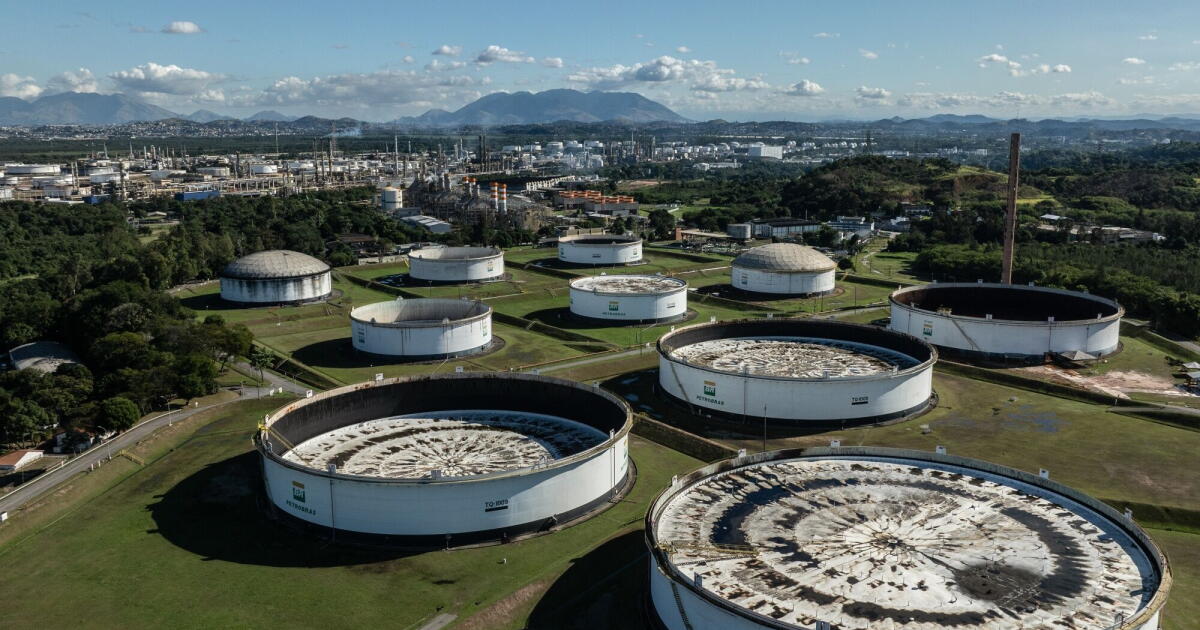
The plan’s introduction also renews scrutiny of Brazil’s own dual approach to energy. The country boasts that renewables now comprise 49% of its energy mix, a figure among the highest for large economies. Yet it continues to expand offshore oil production, recently reaching record levels. This duality reflects, as analysts note, the broader global challenge: balancing energy security and economic growth with aggressive emissions reduction targets.
As delegates at COP31 deliberate on the roadmap’s merits, Brazil underscores the plan’s flexibility—inviting countries at different stages of development to tailor their trajectories. The government argues this inclusivity is critical for bringing more nations on board, even if it trades away some enforceability.
The coming months will reveal whether Brazil’s roadmap can move from diplomatic proposal to global policy. For now, it has injected fresh urgency—and a dose of controversy—into the ongoing debate over the pace and direction of the world’s energy transition.