
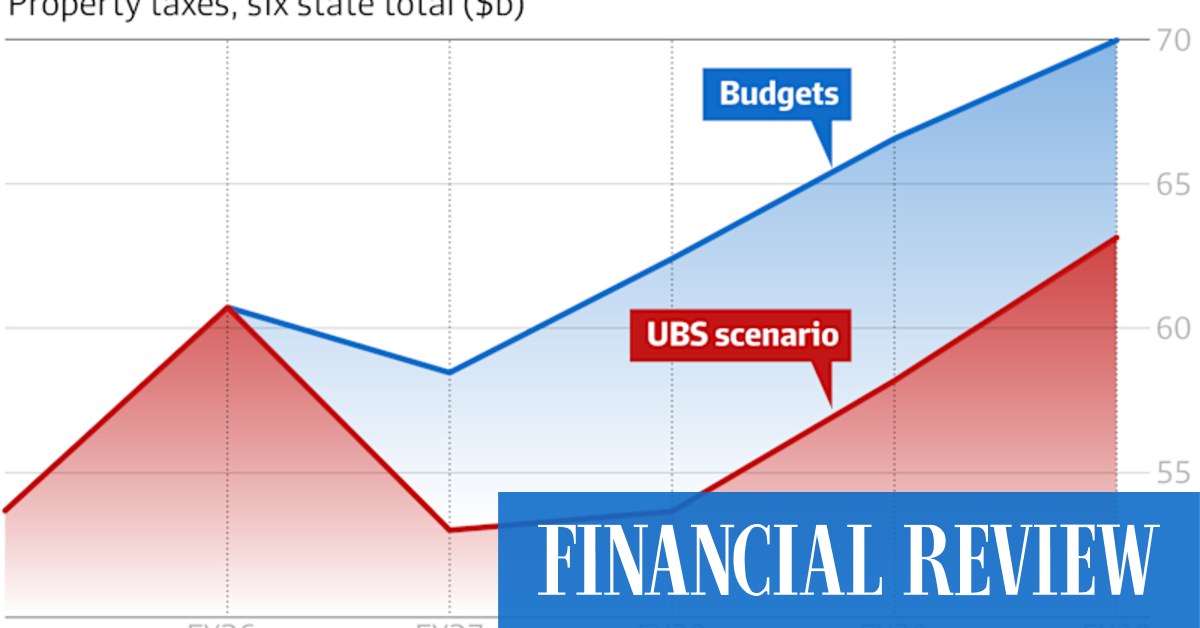
Australia’s state governments are facing the prospect of a collective $6 billion shortfall in stamp duty revenue this financial year, according to new analysis from the Housing Industry Association (HIA). The sharp reversal follows an abrupt downturn in the housing market, pushing state budgets to confront the volatility of their primary tax windfall source.
The risk is immediate and measurable: in New South Wales, the nation’s largest property market, residential stamp duty intake slumped to $663.7 million in September 2026, down nearly a quarter from a year earlier. The trend is mirrored across Victoria and Queensland. According to the Victorian government’s own forecasts, cooling property prices and lighter turnover are expected to strip $5 billion from state coffers within four years, with stamp duty and land taxes identified as leading causes of the revenue dip (ABC News, Oct. 30, 2026).
This fiscal blow arrives after years in which rising values and brisk sales delivered record stamp duty hauls, supporting everything from schools to health services. The HIA, in its latest report, warned that this windfall model is unsustainable. “The downturn lays bare the overreliance of state budgets on one of the economy’s most cyclical sectors,” the group’s analysis noted.
The economic fallout reaches beyond state ledgers. A combination of high interest rates and changed tax incentives has pared back buyer demand—creating Australia’s worst housing slowdown since the pandemic, and in turn chilling sectors like real estate, construction, and trades as well (95.7 KELO-FM, July 28, 2026). The Australian Financial Review has estimated the combined toll on state revenue could reach $30 billion over the next four years if current trends persist.
Facing this fiscal squeeze, some governments are beginning to react. South Australia has now abolished stamp duty for first-time buyers of new homes, aiming to revive both housing supply and transaction volumes (Savings.com.au, Nov. 3, 2026). However, industry voices argue that piecemeal relief may not be enough. The HIA and other advocates are reiterating longstanding calls for comprehensive tax reform, including phasing out stamp duty entirely in favor of more stable revenue sources. They warn the existing tax design not only creates boom-and-bust cycles for budgets, but adds tens of thousands of dollars to purchase costs, often pushing home ownership further out of reach.
With national housing turnover yet to show signs of recovery and fiscal pressure mounting, experts and homebuyers alike are watching closely to see whether governments use this crisis as a catalyst for deeper reform—or double down on a turbulent status quo.