
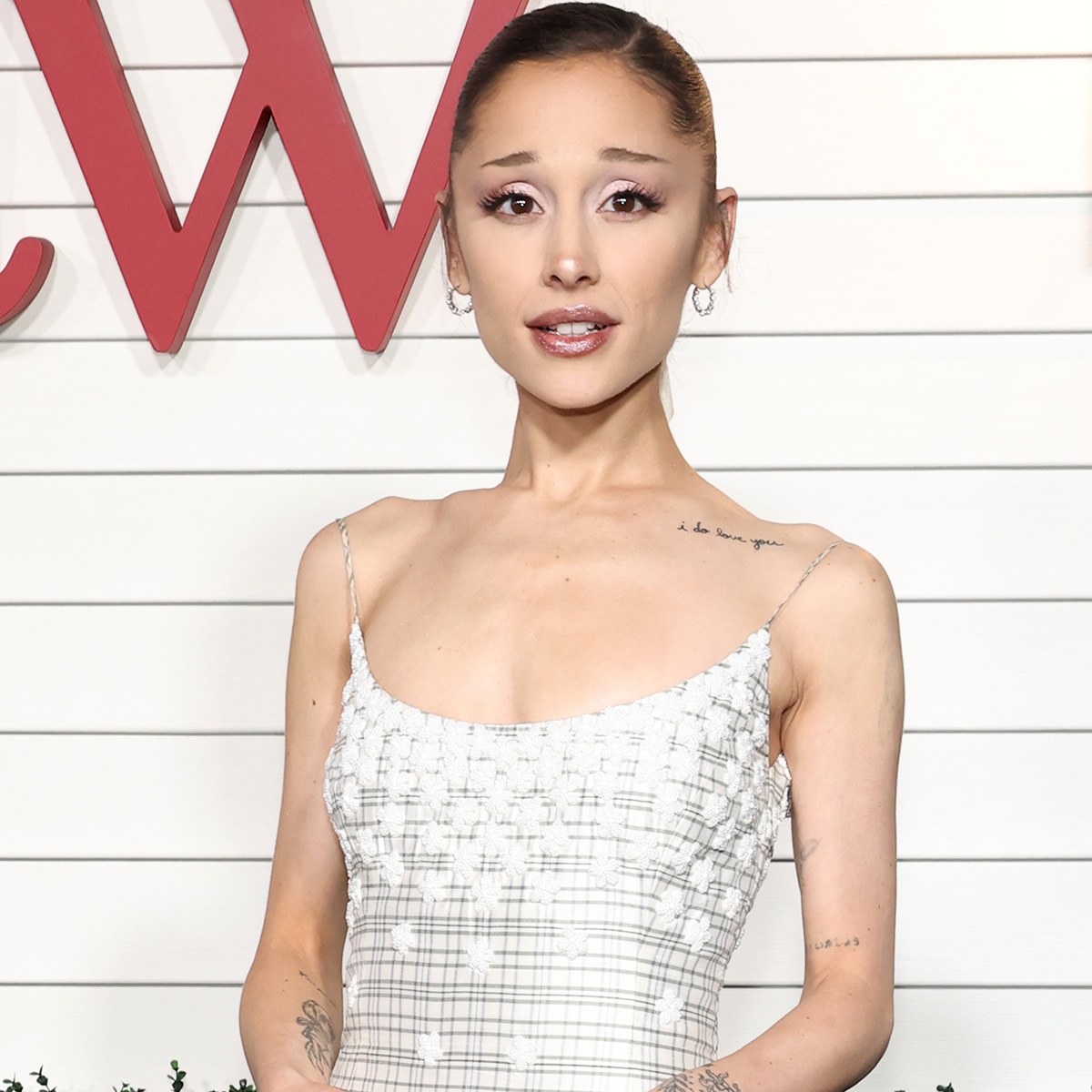
Ariana Grande is pushing back against a wave of online criticism that erupted following the release of her “Petal” music video, in which the pop star portrays the audition struggles of a hopeful actress. As public discussion swiftly turned from the video’s artistic message to Grande’s physical appearance, the singer took to the “Las Culturistas” podcast on November 25, 2026, to directly address the controversy.
The “Petal” video, which debuted in July 2026, features Grande as Pepper, an aspiring actor navigating a series of emotionally charged auditions. The filmic, somewhat surreal video takes a dark turn in its final act when Pepper’s frustration culminates in a violent fantasy scene involving a chainsaw. The video quickly captured attention—yet much of the immediate conversation online zeroed in on perceptible changes in Grande’s weight and appearance, with users voicing concern about her health across social platforms and media outlets.
During her podcast appearance, Grande made it clear she stands by the video in its current form. “I wouldn’t change a thing. I would release it again exactly as it is,” she told interviewers, according to coverage from entertainment outlets. She likened the backlash to something out of an episode of “Black Mirror,” observing the irony that the response mirrored the very themes of distorted perception and superficial judgment she intended to critique through the work.
“It is wild to me that the focus immediately became my body rather than what the video is actually about,” Grande said, underscoring her ongoing frustration that artistic contributions are often overshadowed by personal scrutiny. The performer elaborated that the “Petal” video was crafted as a commentary on the pressure performers face and the struggles to uphold authenticity amid external expectations. “I have never changed my music or my videos for others’ expectations and I never will,” she affirmed, reiterating her commitment to her vision as an artist.
Her comments have since sparked renewed debate both within her fanbase and among broader pop audiences, with many questioning why discussions so frequently prioritize celebrity bodies over creative substance. Some commentators noted the parallels between Grande’s experience and broader industry trends, where musicians—especially women—face disproportionate attention to their looks compared to their output.
Grande’s direct response comes in the midst of a busy professional period. She is currently touring in support of her albums “Positions” and “Eternal Sunshine,” marking her first series of major shows in nearly seven years. Later this week, she is set to appear as the fiancée of Greg Focker’s son in the new comedy film “Focker-In-Law,” scheduled for theatrical release on November 27, 2026. Her public appearances—from interviews to red carpet press—have touched on both her music and her experiences navigating criticism in the digital age.
As the conversation around “Petal” continues, Grande’s response signals a refusal to let personal commentary derail her creative ambitions. For now, she remains outspoken about the need to return focus to the art itself—echoing a sentiment likely to resonate with many of her peers.