
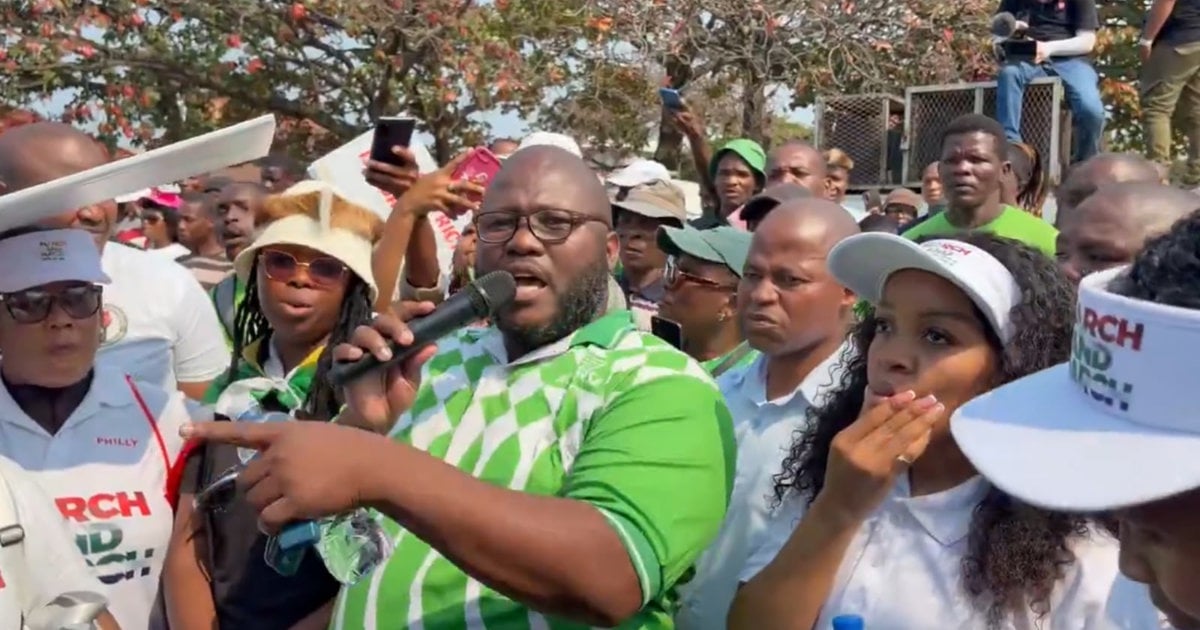
A high-profile legal case is placing ActionSA, a South African political party, under public scrutiny after its incoming eThekwini councillor, Nhlanhla Mqadi, appeared in Durban Magistrate’s Court on November 23, 2026, facing charges of assault with intent to cause grievous bodily harm. Mqadi is accused of assaulting Bongekile Mkhwanazi at Durban’s Majestic Hotel on June 12, an attack reportedly so severe that Mkhwanazi required emergency surgery to remove her pancreas due to internal bleeding.
Mqadi, represented by his legal team, has indicated through public statements and in court that he intends to plead not guilty, asserting self-defense. The court has set January 11, 2027, for the start of his trial, ensuring continued attention on the case in the months ahead. The alleged victim, Bongekile Mkhwanazi, has since resigned from her post at Vibe FM, citing lack of support from the station in the aftermath of the incident, according to published reports.
Party’s Response Sparks Debate
ActionSA’s KwaZulu-Natal leader, Zwakele Mncwango, said the party will wait for a court ruling before initiating any internal action or disciplinary proceedings against Mqadi. This statement, issued on November 24, has drawn intense public interest, as ActionSA has previously positioned itself as taking a zero-tolerance stance on gender-based violence.
Party supporters and critics alike are watching closely to see whether ActionSA’s response will align with its historical anti-GBV rhetoric. The decision to withhold action until the completion of legal proceedings marks a cautious approach, but it has also generated questions about accountability and internal party processes.
Medical and Social Fallout
The medical aftermath for Bongekile Mkhwanazi highlights the gravity of the allegations. Reports indicate she suffered significant physical trauma and required surgery, with her subsequent resignation from Vibe FM reflecting the difficulties victims of gender-based violence can face in securing institutional support. Broader conversations about the adequacy of support systems for GBV survivors in South Africa have been catalyzed by media coverage of the case.
Legal and Political Ramifications
The judgement in January is expected to shape not just Mqadi’s future as a councillor, but possibly influence ActionSA’s candidate vetting and disciplinary policies. The party’s handling of the situation will be evaluated by both the public and other political organizations, potentially affecting public trust in local governance.
As court proceedings approach, the incident has become a focal point for activism and debate about consistency in party accountability, the protection of women in political and professional settings, and the practical enforcement of South Africa’s anti-GBV laws. The outcome will likely carry consequences that extend beyond individual accountability to wider norms around political leadership and institutional transparency.
For now, the case remains unresolved, with both the party and the accused awaiting judicial determination, and Mkhwanazi’s long-term recovery and future plans yet unclear.