
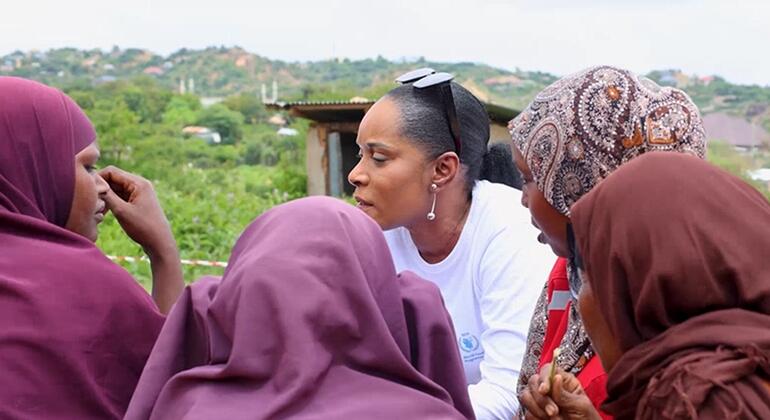
Families carrying little but desperate hope streamed into Moyale in northern Kenya after inter-communal violence erupted across the Ethiopia border, leaving thousands adrift from their homes and livelihoods. By mid-November, an estimated 30,000 people had crossed into Marsabit County following clashes rooted in persistent disputes over land, ethnic identity, governance, and politics in Ethiopia’s borderlands.
For the arrivals—now crowded into schools, communal centres, or hosted by relatives in unfamiliar towns—the cost of safety has been enormous. Alexander, a 37-year-old father of five, recalled witnessing the killing of his sister before racing his family to relative safety. “I want to go to Nairobi, not stay here. I cannot go back. There is no work. My wife is here with our three-month-old baby,” he told World Food Programme (WFP) staff.
The specter of hunger shadowed the new arrivals until the WFP mobilised emergency aid on November 11, distributing dry rations like sorghum, split peas and vegetables, and providing hot meals in communal shelters. This rapid deployment, made possible by pooling internal resources and working closely with the Kenyan Government and the Kenya Red Cross Society, aims to help families battered by violence preserve their dignity and stability in uncertain times. WFP’s Kenya director, Betty Ka, who visited Moyale, emphasized, “For families who have already lost so much, hunger should not be a concern.”
The urgency is real: displacement may continue if underlying tensions persist, and the influx has already strained host communities in Marsabit County. WFP acknowledged that more funding will be essential should numbers grow or needs intensify. But for now, food—so often a symbol of normalcy and resilience—offers the first promise of hope for thousands unwilling or unable to return to their shattered homes in Ethiopia.
Questions remain over the prospects for de-escalation on the Ethiopian side and long-term humanitarian support as local and international agencies confront a deepening displacement crisis on the border.