
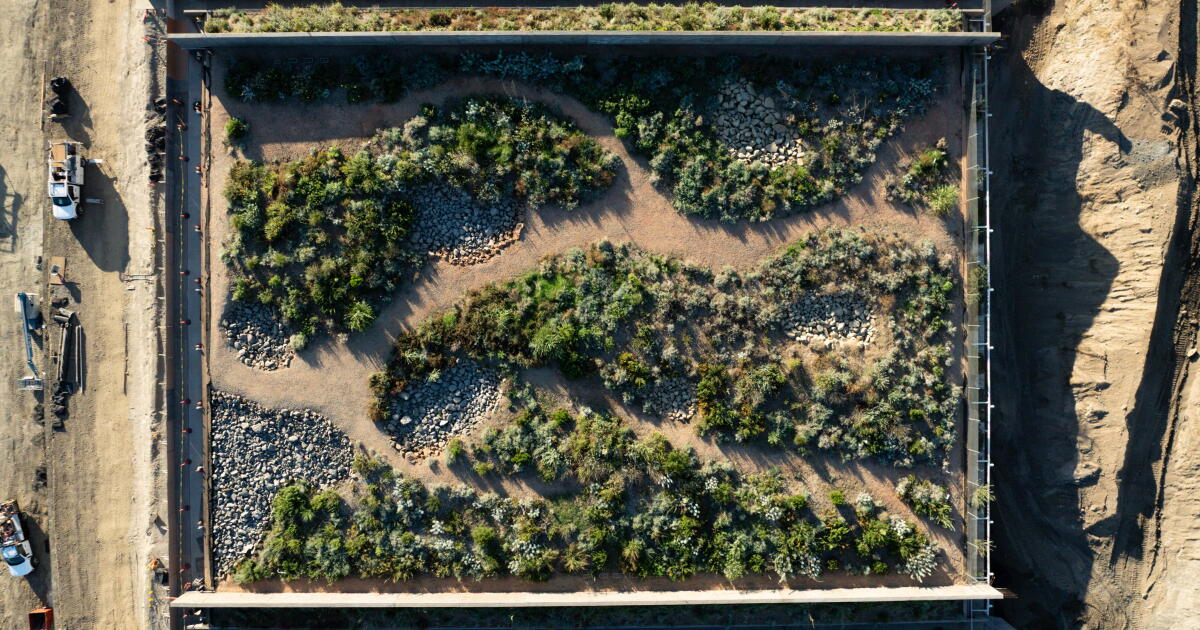
Wildlife cameras have captured the first large mammals—two coyotes—using the Wallis Annenberg Wildlife Crossing over the busy U.S. Highway 101 in Agoura Hills, California, according to recent reports. This sign of early animal movement offers cautious optimism for what is billed as the world’s largest wildlife bridge, a $114 million effort to reconnect vital habitats divided by Southern California’s notorious 101 Freeway.
Trail camera images first documented a coyote traversing the unfinished crossing on October 28, 2026. A second coyote appeared less than a week later, sparking hope—and further scrutiny—among local ecologists and engineers devoted to the project. The crossing, which stretches 210 feet long and 174 feet wide at Liberty Canyon, is nearing completion with a planned opening date of December 2, 2026 (LA Times).
The crossing’s backers, including conservationists and local agencies, have argued that a structure of this scale is crucial for long-term ecosystem health. Highway 101’s construction decades ago left populations of mountain lions, bobcats, deer, and other species increasingly isolated—resulting in inbreeding and declining genetic diversity. State officials and scientists have long pointed to this fragmentation as a threat to species’ survival in the Santa Monica Mountains and Simi Hills.
Constructed with a mix of public and private funding, the massive overpass began taking shape in April 2022. By spring 2025, the first habitat soil was layered onto the structure, marking progress in creating a living landscape that blends seamlessly with surrounding hills. Final concrete decking was completed in October 2026, and crews are now working to integrate the approaches for safe wildlife use (LA Times).
While the crossing’s formal opening is imminent, ongoing trail camera monitoring is already showing promise. Researchers are cautious: the visible presence of coyotes is only a first indicator of usage, and much depends on how quickly and widely other species follow. The key question remains whether the bridge will ultimately be embraced by more reclusive creatures, particularly threatened mountain lions, whose population viability may hinge on access to broader genetic pools.
Conservation groups have welcomed the early signs of life, but emphasize that years of monitoring and adaptive management will be essential to measure success. The project’s prominence has drawn national attention to issues of wildlife connectivity and urban planning, serving as an emblem for similar efforts elsewhere.
Though some earlier reports suggested a 2025 opening, project leaders and local coverage now confirm December 2026 as the expected completion. Officials underline the need for ongoing research and maintenance to ensure the structure delivers on its bold promise: providing animals with a lifeline across one of America’s busiest highways, and offering a new blueprint for coexistence between wildlife and sprawling cities.