
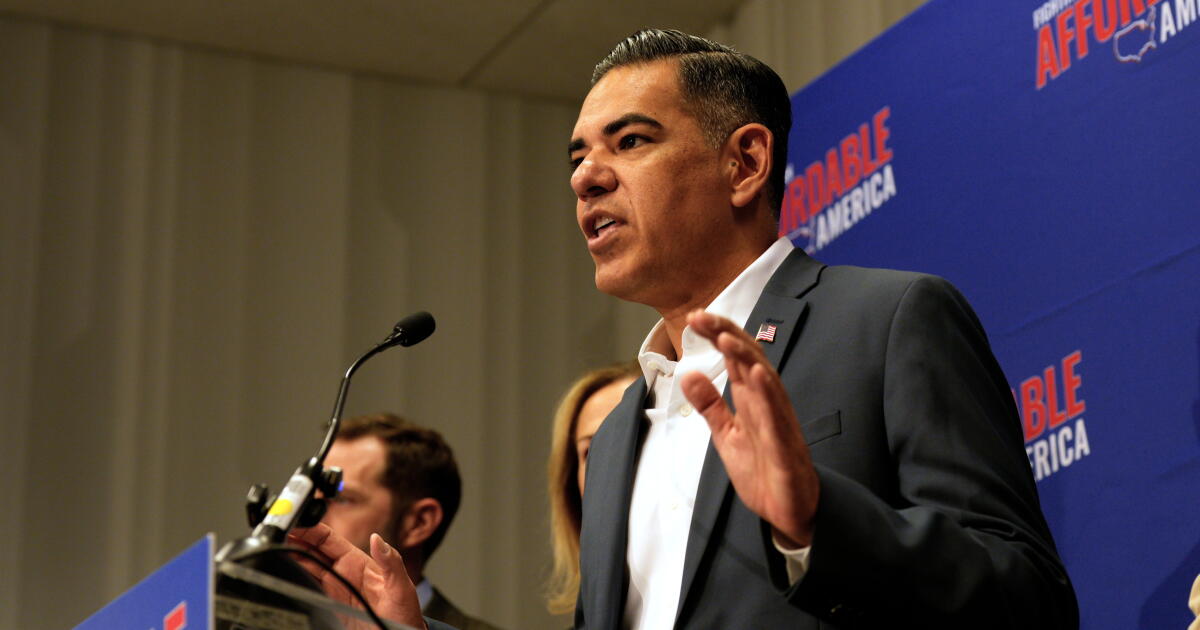
A sharply worded letter from White House Counsel Will Scharf to Democrats poised to lead the House Oversight and Government Reform Committee has ignited a new front in the ongoing struggle between the executive and legislative branches. Sent on November 9, 2026, the message to Representative Robert Garcia—the Democratic incoming chair—warns that investigations into the Trump administration could overstep legal boundaries, suggesting that some actions might even constitute “blatant criminality.”
This warning, delivered in the wake of the 2026 midterm elections where Democrats reclaimed the House majority, marks an early skirmish in what is likely to become an extended confrontation over congressional oversight. As Democrats prepare to investigate aspects of the Trump administration when they assume control in January 2027, Scharf’s letter drew a bold line around what the White House claims are constitutional limitations for such probes.
Constitutional Warnings and Political Pushback
The letter, described in coverage by Los Angeles Times and others, cautioned that issuing subpoenas with the intention of harassment or depriving individuals of their constitutional rights could potentially warrant further legal scrutiny. The Trump administration’s legal counsel asserted that Congress could not act in ways that, in their view, veer into unlawful conduct under the guise of oversight.
Representative Garcia, however, dismissed the warning as an unfounded attempt to restrict Congress’s authority. He stated publicly that Article I of the Constitution endows the legislative branch with the power to conduct oversight, and that neither the White House’s approval nor its legal interpretations are required for the House to exercise these powers. Garcia’s response cast the White House’s letter as an effort to impede checks and balances.
Legal Experts Skeptical of Criminal Threats
The threat of criminality, as articulated by Scharf, was met with skepticism among legal experts. Constitutional scholars cited the robust protections under the Speech or Debate Clause, which shields members of Congress when they are engaged in legitimate legislative business. According to analysis reported by the Los Angeles Times, there is little precedent for prosecuting lawmakers over the discharge of their oversight responsibilities, especially when investigations fall clearly within legislative purview.
Still, Scharf’s warning communicates the readiness of the executive branch to contest the Democrats’ anticipated use of subpoenas and other investigative tools in court, likely setting up a series of legal challenges. The letter further signals the administration’s intent to closely scrutinize the scope, intent, and method of any future Democratic investigations into Trump-era conduct.
Escalating Executive-Legislative Tensions
The looming confrontation comes at a moment of heightened political polarization and reflects a long history of disputes over congressional oversight. Past instances—spanning multiple administrations—have often ended up in prolonged court battles, testing the outer limits of legislative and executive authority under the Constitution.
For now, the Democrats’ exact investigative targets have not been detailed. Legal and political observers anticipate challenges as the House changes hands in January and Democrats formalize their oversight agenda. As both sides brace for potential courtroom entanglements, the constitutional contours of congressional inquiry are again set to be tested in the glare of partisan scrutiny.
The situation remains fluid as the new Congress prepares to convene. All eyes turn to how—if at all—these warnings translate from sharply worded letters into a fuller clash of subpoenas, court filings, and legislative action in 2027.