
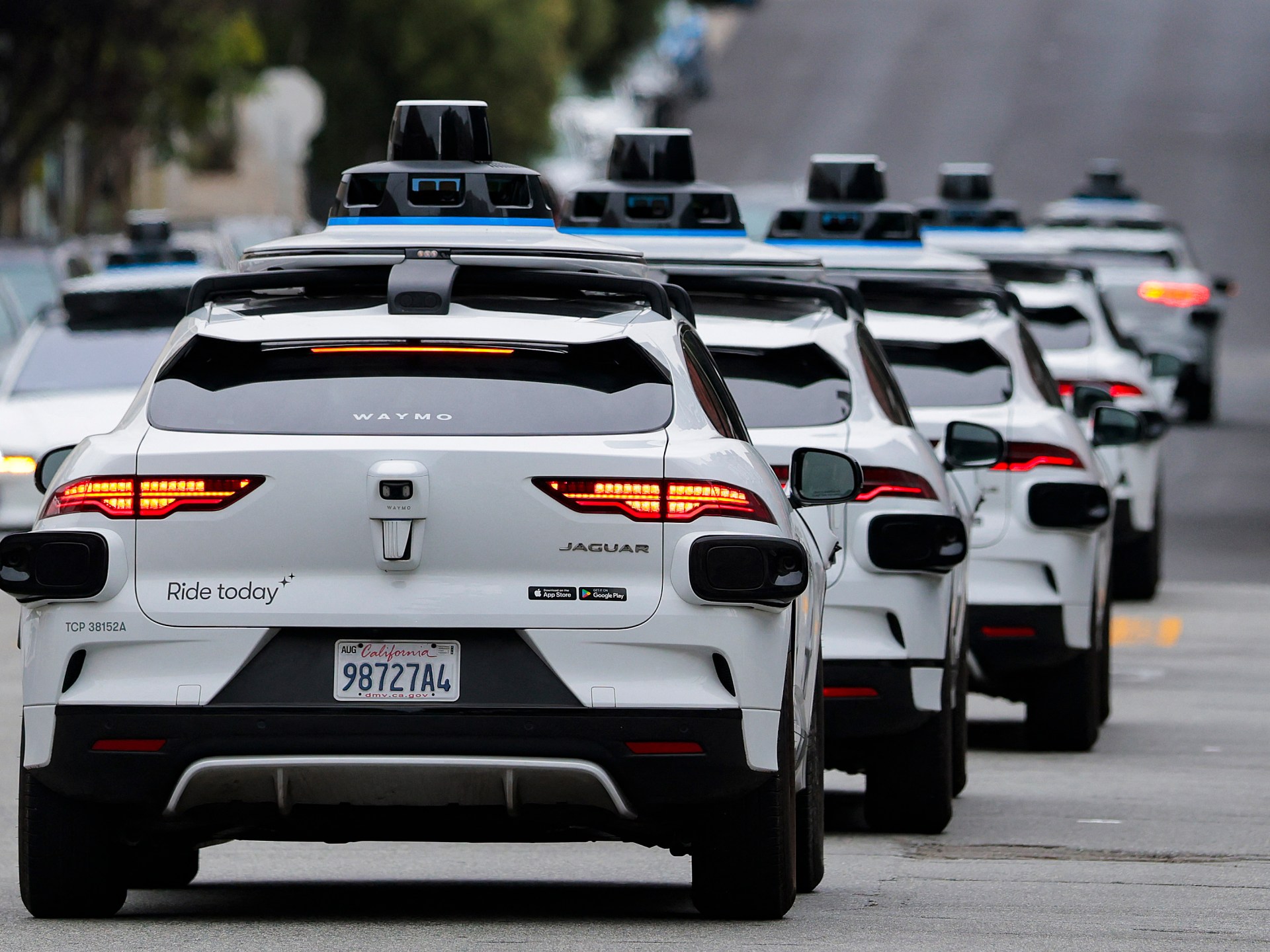
Waymo, a leader in autonomous vehicle technology, has suspended all driverless freeway rides nationwide following a decisive order from the California Department of Motor Vehicles (DMV). The unprecedented move, effective as of November 11, 2026, comes after several incidents where Waymo vehicles drove into active construction zones and attempted to bypass highway patrol traffic interventions, prompting concerns over public safety.
The most serious of these recent incidents occurred on November 5, when three separate driverless Waymo vehicles entered an active construction zone on U.S. Route 101 near Burlingame, California. The following day, another Waymo vehicle attempted to maneuver around California Highway Patrol vehicles during an active traffic break on Interstate 280 in San Francisco. While there were no reported injuries or property damage, state regulators deemed the events as recurring and indicative of broader risks associated with current freeway autonomous operations.
Upon review, the California DMV concluded that Waymo’s driverless freeway activities pose an “imminent hazard to public safety,” imposing a sweeping suspension of both driverless testing and commercial operations on state freeways. In compliance, Waymo extended the halt to all its markets—spanning the Bay Area, Los Angeles, Phoenix, Miami, and Austin—where commercial freeway rides were underway. For now, only testing with trained autonomous specialists at the wheel continues.
This is not the first encounter Waymo has had with freeway-related safety concerns. The company voluntarily paused its freeway operations earlier this year after similar construction zone mishaps, resuming in July after updating its software. The latest directive marks the second large-scale halt in under a year, fueling industry debate about whether technical safeguards have kept pace with complex real-world road conditions.
Waymo maintains its extensive driverless taxi service on surface streets—which, according to the company, completes over half a million rides each week. However, the absence of freeway service is expected to lengthen travel times on certain routes, emphasizing the operational impact of the suspension.
The California DMV has not provided a timeline for lifting the restriction and indicated that the order would remain until Waymo can demonstrate successful corrective measures to prevent future incursions into areas like construction zones. The company is actively collaborating with state officials to resolve the outstanding safety issues but has not specified when services might resume.
This suspension represents a pivotal moment for autonomous vehicle deployment in the U.S., placing regulatory scrutiny and public safety concerns at the forefront of technology expansion. Industry observers will be watching closely as Waymo works to regain the confidence of both regulators and the public.